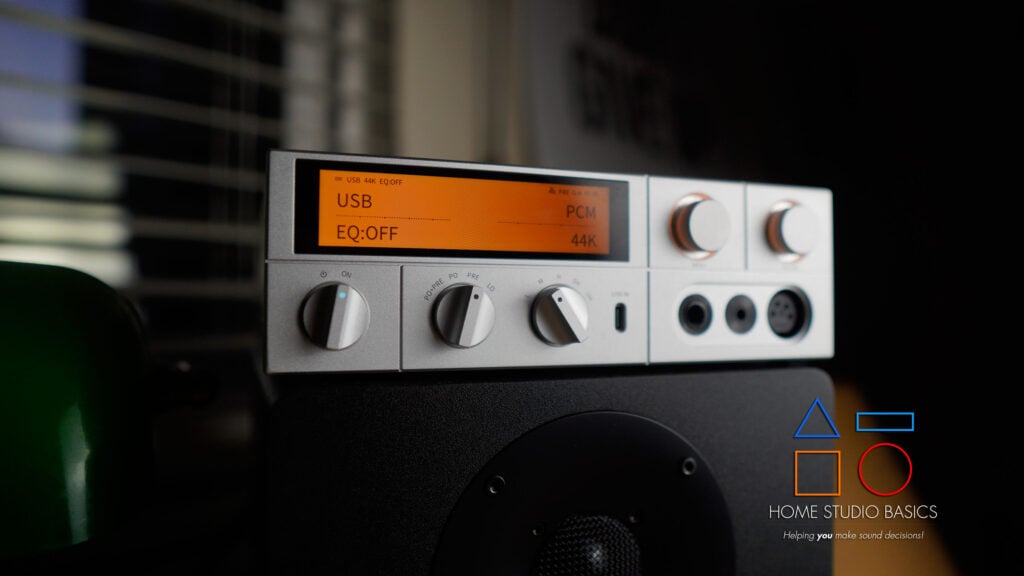
FiiO K17 Review: Worth $1000?
Greetings mate and Welcome aboard! Stuart Charles here, HomeStudioBasics.com helping YOU make sound decisions, so..
Quick Verdict
The FiiO K17 is an exceptionally well-built desktop DAC/Amp with enormous power, extensive connectivity, balanced outputs, a beautiful display, and enough features to serve as the centerpiece of an entire audio setup.
But is it worth $1,000?
That depends entirely on what you need it for.
If you’re building a permanent desktop system with headphones, active monitors, and multiple sources, the K17 makes a compelling case for itself. I especially appreciated being able to use it with my Yamaha HS7s.
But if you simply want clean, transparent audio through your headphones, the much cheaper FiiO K11 already accomplishes that remarkably well.
Bottom line: The K17 is an excellent product, but I’d only recommend spending the extra money if you’re actually going to take advantage of its features. Otherwise, save your dough.

- The FiiO K17 is the first to feature a discrete amplifier circuit, utilizing an OP + transistor current-driving headphone amplifier design. It is equipped with the On Semiconductor MJE243G/253G classic complementary pair, enabling high-current, low-impedance output. The balanced output power reaches up to 4000mW+4000mW, effortlessly driving both large headphones and in-ear monitors. The sound is smooth, natural, and melodious, delivering a pleasant listening experience.
- The device uses the AKM flagship DAC chip combination AK4191 + AK4499EX*2, with each AK4499EX handling one channel. This is paired with an 8-channel to 4-channel LPF design to reduce common-mode interference, resulting in better separation and dynamics. Additionally, it features a fully separated digital/analog structure based on a new design technology, incorporating the newly developed “DWA ROUTING technology” to further purify the background and enhance resolution.
- The FiiO K17 is equipped with the professional DSP chip M21586Q and the high-performance ADC ES9821Q, complemented by a custom-designed ultra-low phase noise femtosecond crystal oscillator. It offers a 31-band professional-grade high-precision lossless PEQ adjustment function across all input modes. This allows for simulation or correction of headphone frequency response curves.
- The FiiO K17 supports multiple input options, including single-ended line input, balanced line input, USB decoding, Bluetooth decoding, optical decoding, and coaxial decoding. The USB decoding uses the XMOS 16-core chip XU316, supporting 768kHz/32bit, DSD512, and full MQA decoding. Bluetooth decoding is powered by the Qualcomm QCC5125 chip, featuring Bluetooth 5.1 and supporting aptX HD, aptX Adaptive, LDAC, and other codecs. For streaming, it supports Roon Ready and AirPlay, giving you access to a vast array of streaming sources. Local playback is supported via external USB drives and portable hard drives, allowing you to enjoy your precious collection of audio files.
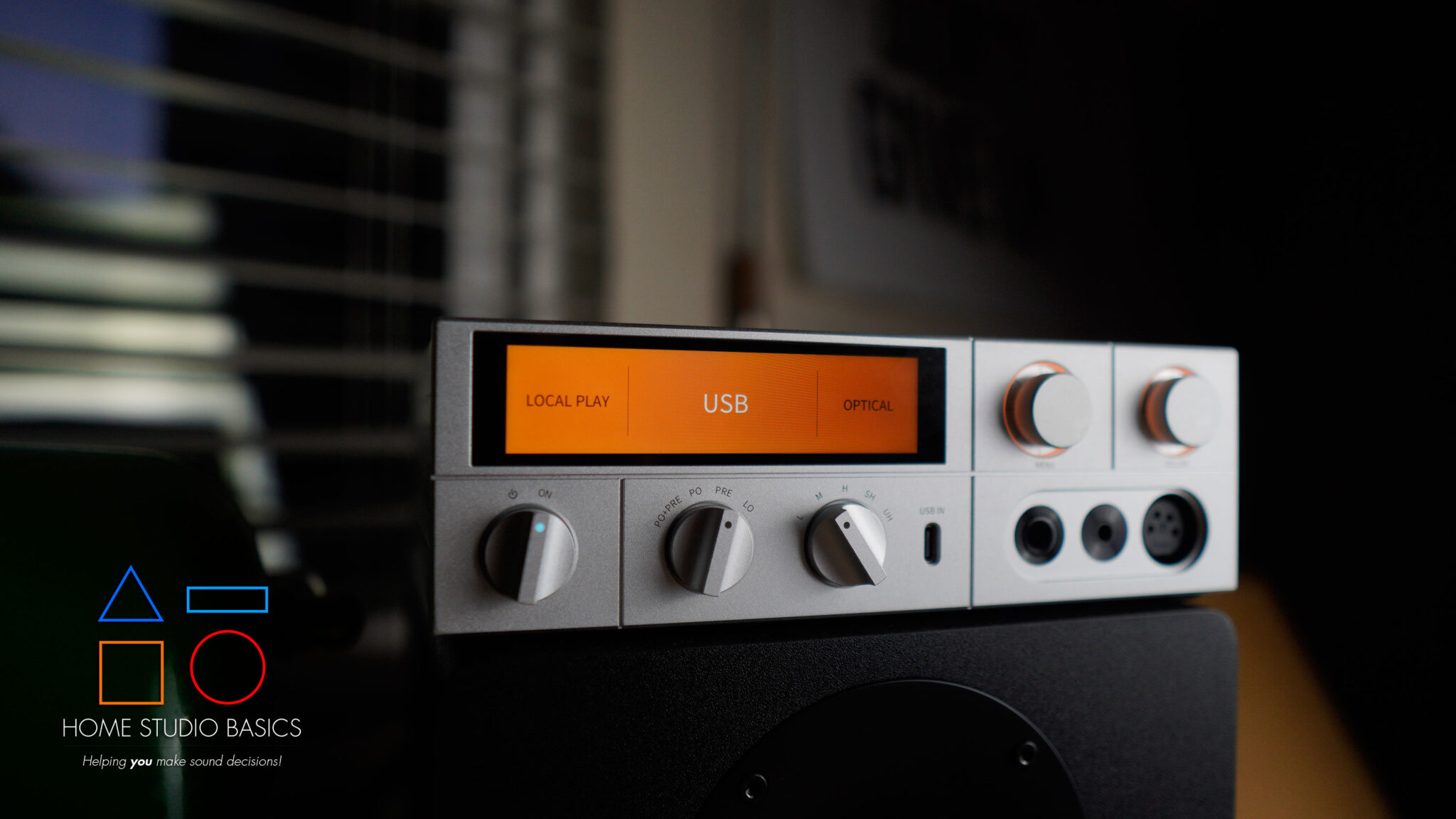
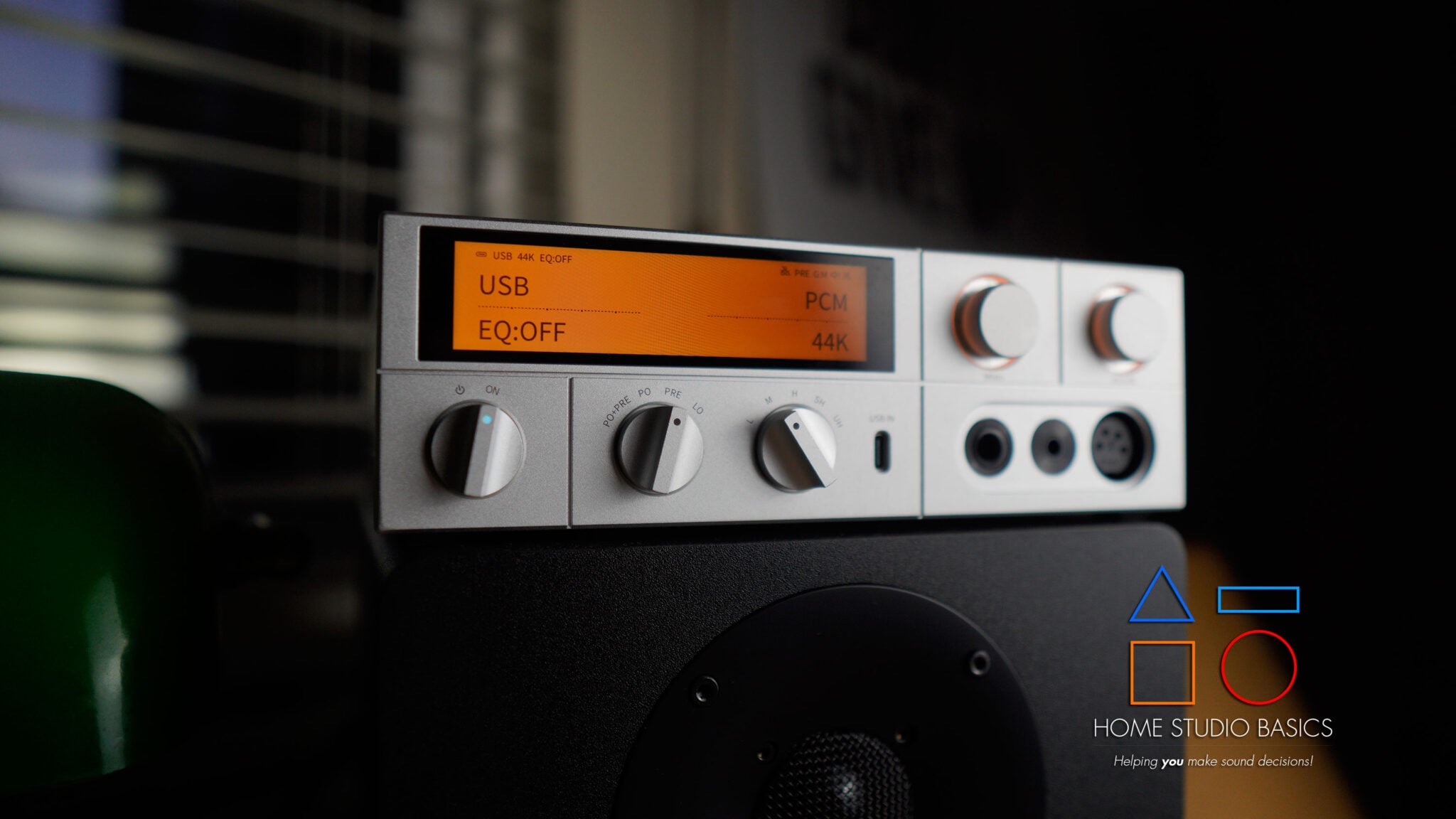
- The K17 features a custom-designed 3.93-inch LCD screen, allowing for quick switching between various settings and functions via touch controls. It also includes five independent control knobs, supporting one-button standby, and enabling fast adjustments for volume, gain, output, and more. The device comes with an infrared remote control for convenient long-distance operation, allowing you to easily switch between work modes, select EQ settings, and adjust volume.
The FiiO K17 sits at the top of the company’s desktop DAC/amp lineup, bringing flagship features, enormous power, and enough inputs and outputs to satisfy even the most deranged audiophile.
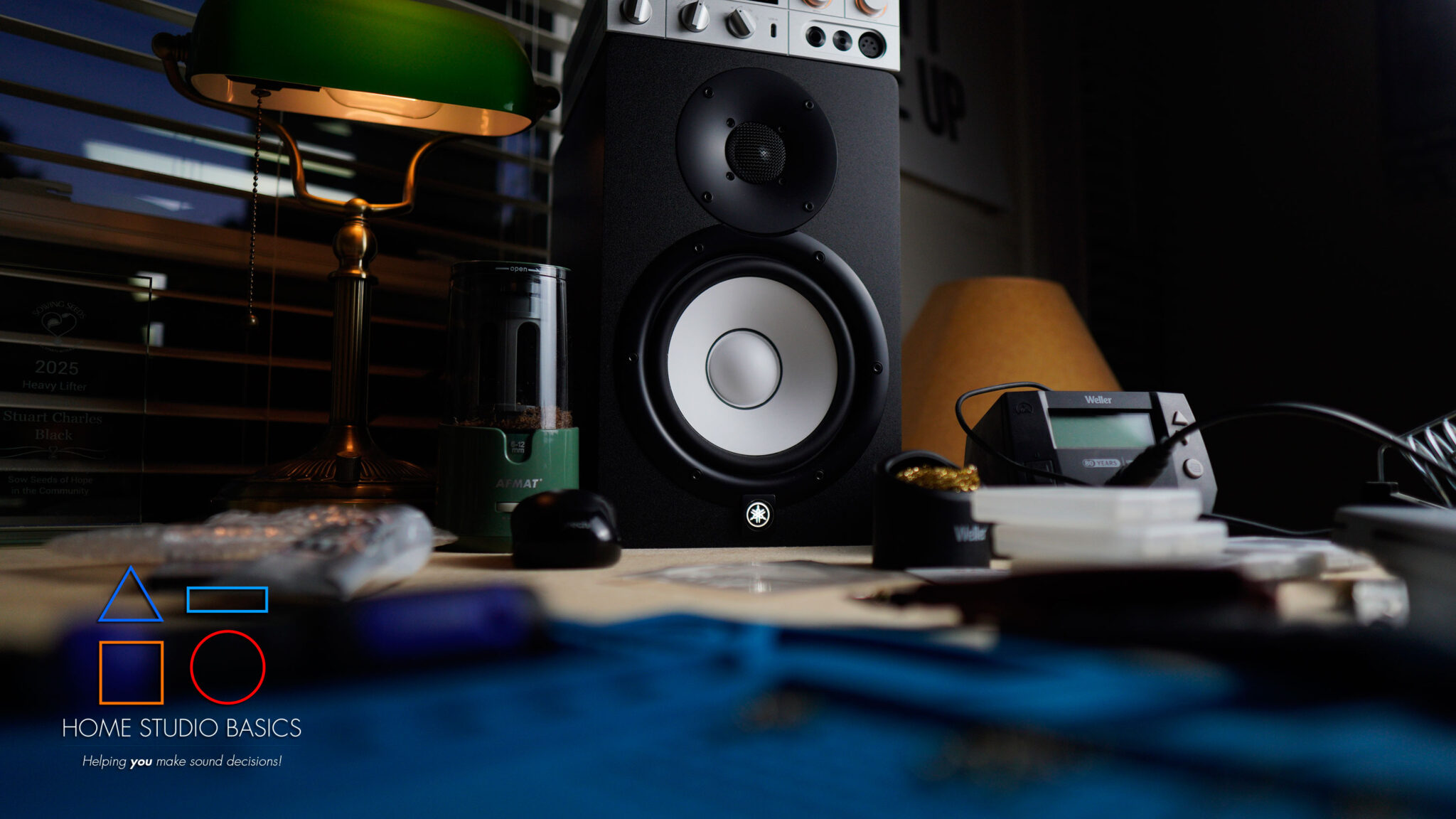
Over the last few weeks, I used it as the heart of my desktop setup, driving both headphones and my Yamaha HS7s sitting right here on my workbench.
Now, if you’ve seen my video, “The Truth About DACs,” you already know I don’t believe expensive (or any) DACs magically transform your music.
Modern DACs (even the entry-level ones) are already incredibly transparent, so the conversation shifts away from “How does it sound?” and toward something much more important: features, usability, power, and overall value.
So.. where exactly does the K17 fit in?
Is it simply a luxury desktop centrepiece packed with features, or does it actually justify its flagship price tag?
By the time you’re finished reading, you’ll know exactly who the K17 is for, who should probably save their money, and whether it’s worth a place on your desk.
Build
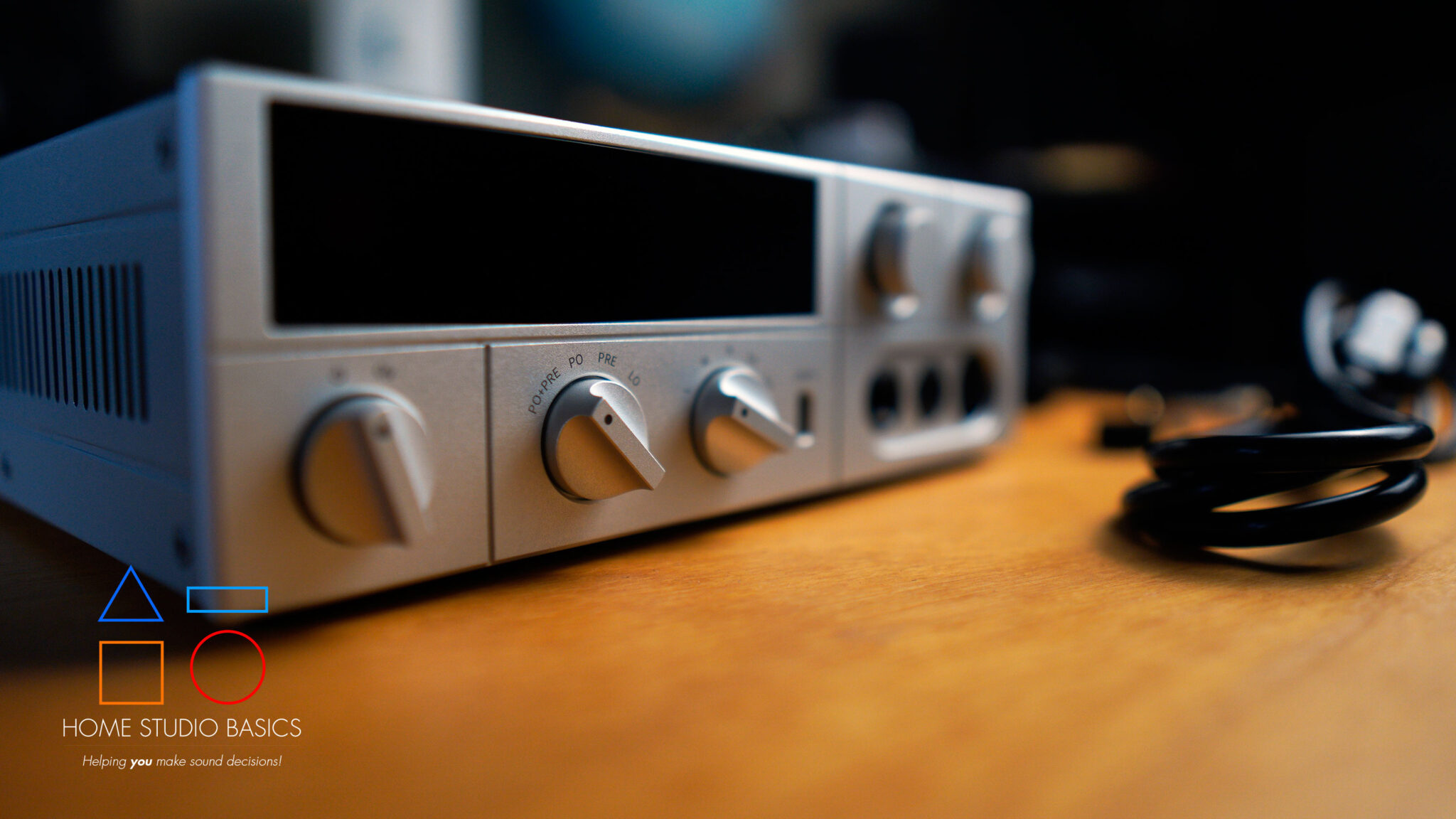
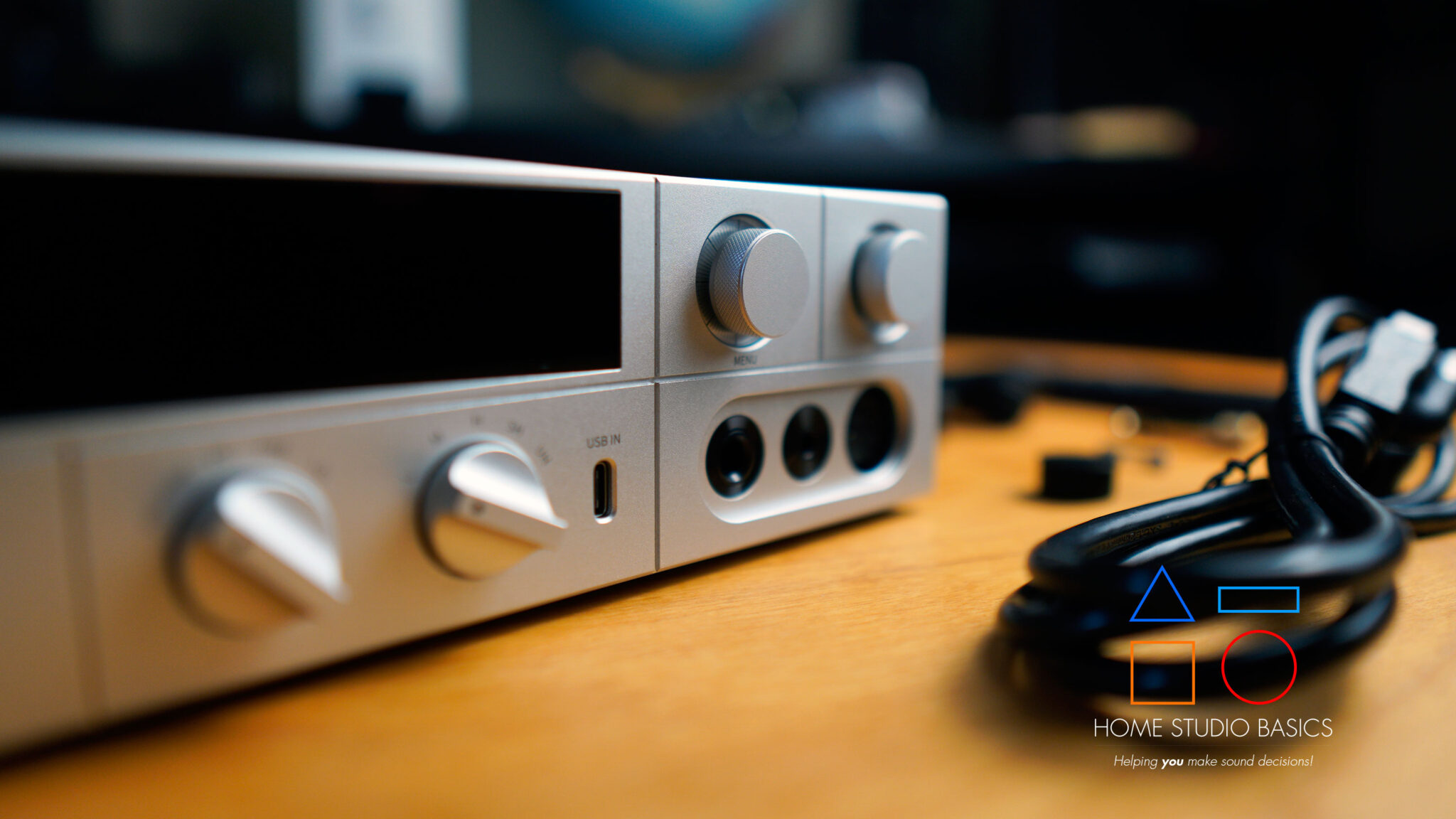
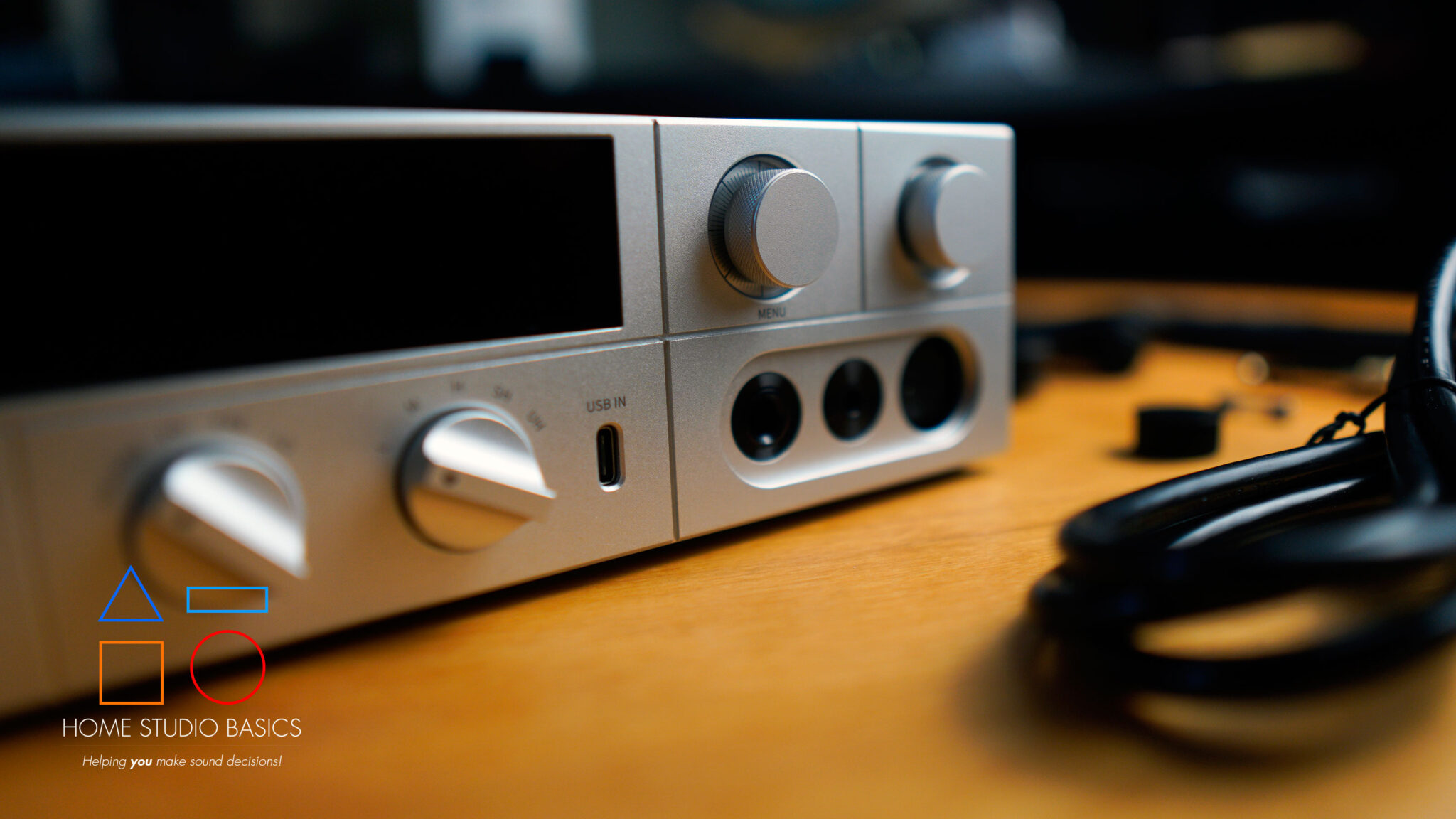
The K17 immediately feels like a flagship product.
It’s hefty, exceptionally well-built, and carries the same premium aesthetic FiiO has been refining over the years.
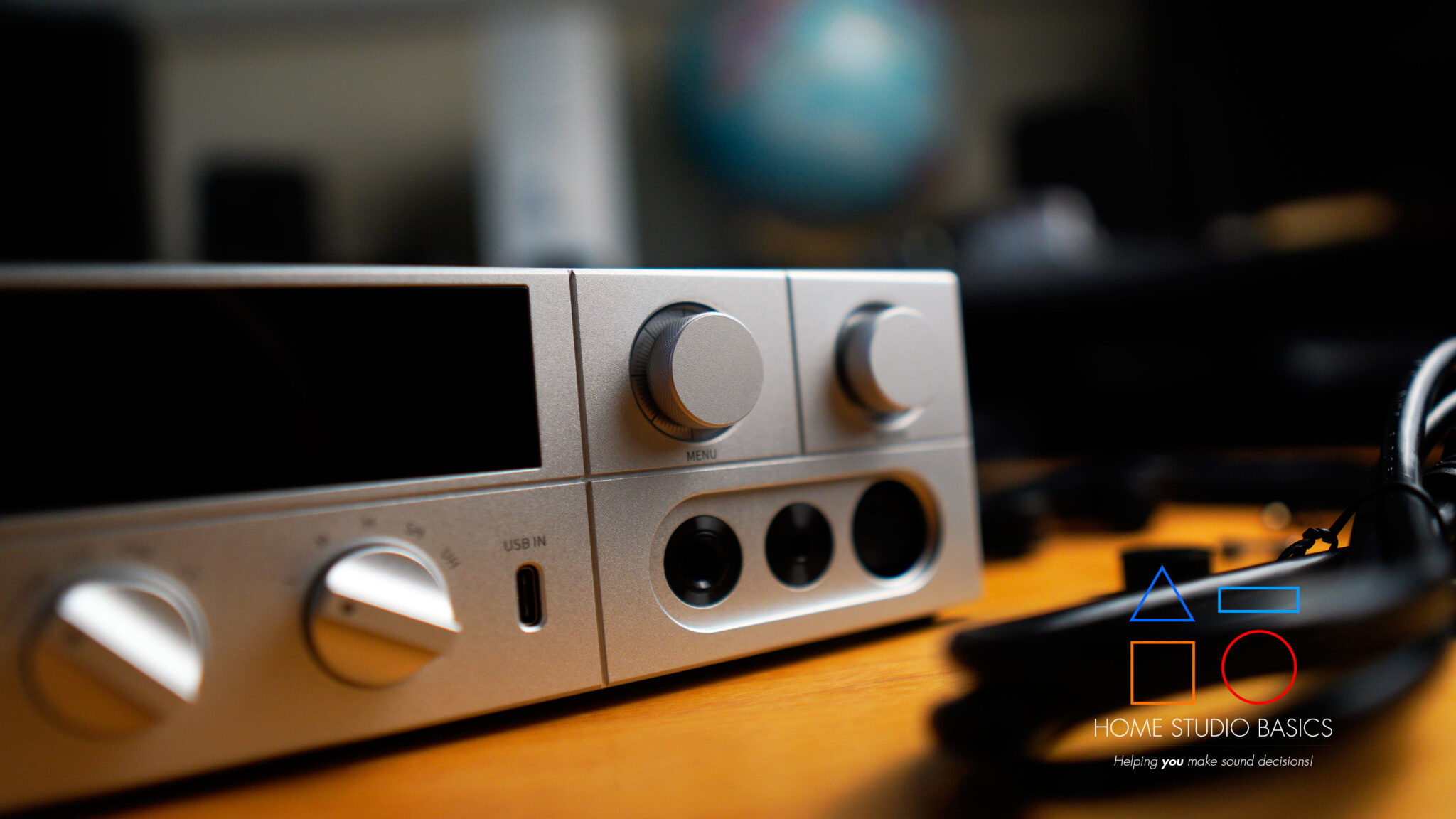
The aluminum chassis feels rock solid, the controls have a reassuring amount of resistance, and the large volume knob is smooth without feeling overly loose.
Front and center is a vibrant color display that’s easy to read from a normal sitting position. More importantly, navigating the menus never felt like a chore. The included remote is also a nice touch for volume adjustments, power, and menu navigation.
One thing I did find a bit disappointing, however, was that I couldn’t use it to skip Spotify tracks. Volume and the other basic controls worked just fine, but transport controls didn’t seem to do anything. It’s hardly a dealbreaker, but on a desktop unit designed to be the hub of an audio setup, it feels like a missed opportunity.
Whether I was changing inputs, adjusting gain, switching filters, or dialing in EQ, everything was laid out logically enough that I rarely found myself hunting through menus like when you order from a bad Chinese restaurant.
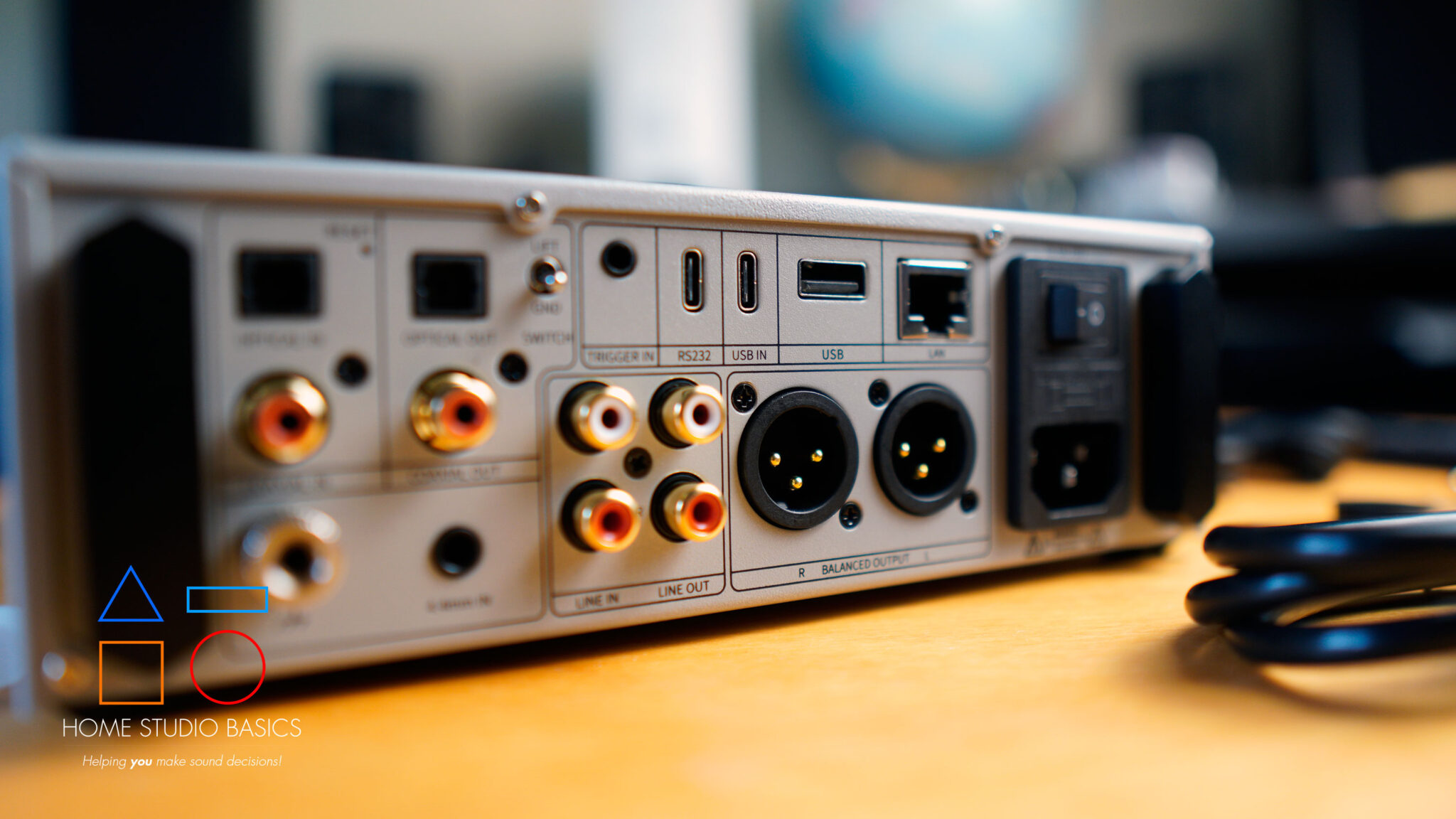
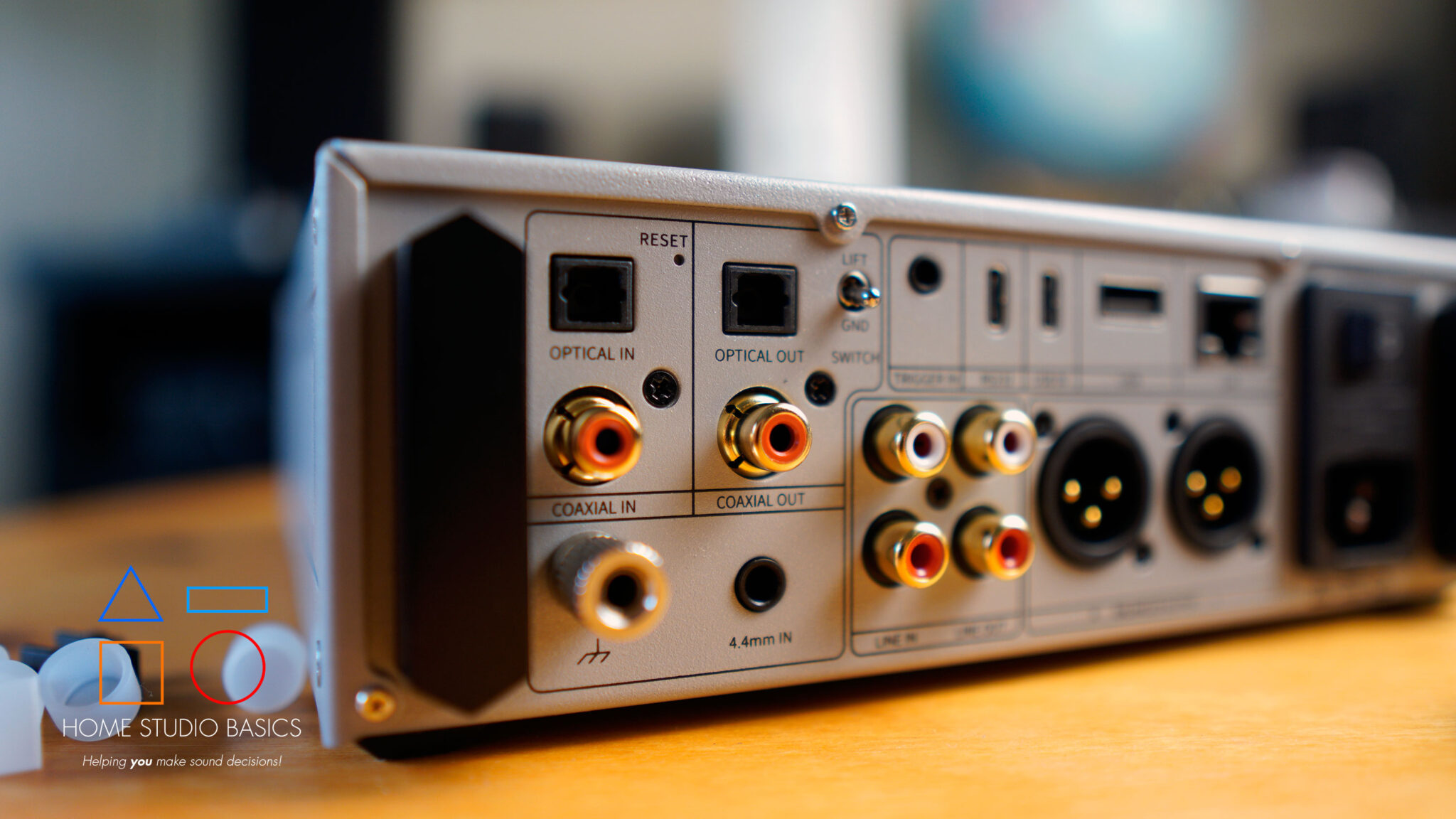
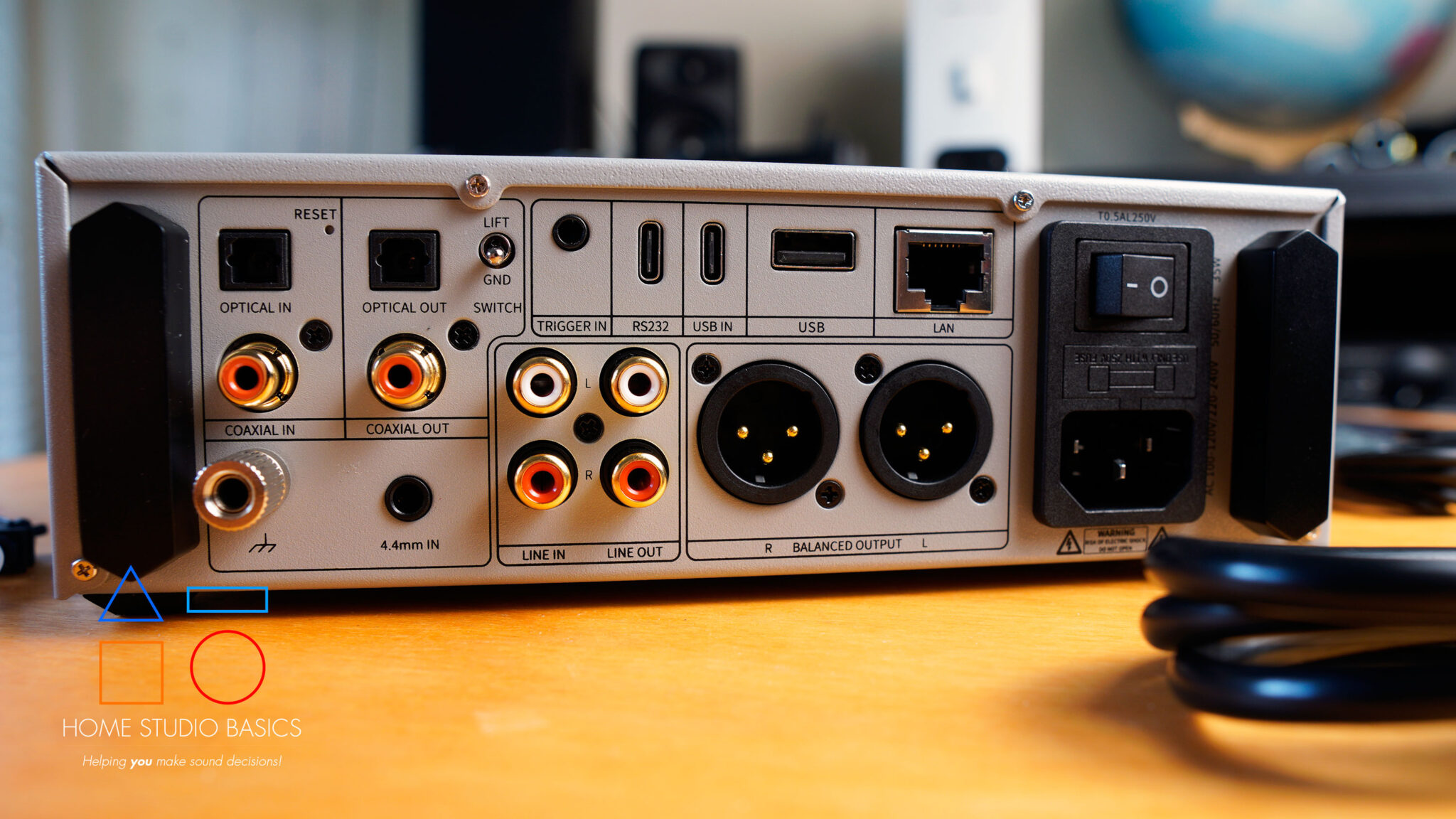
Around back (and regular readers know I’m a whore for this) is where the K17 really starts to justify its meager existence.
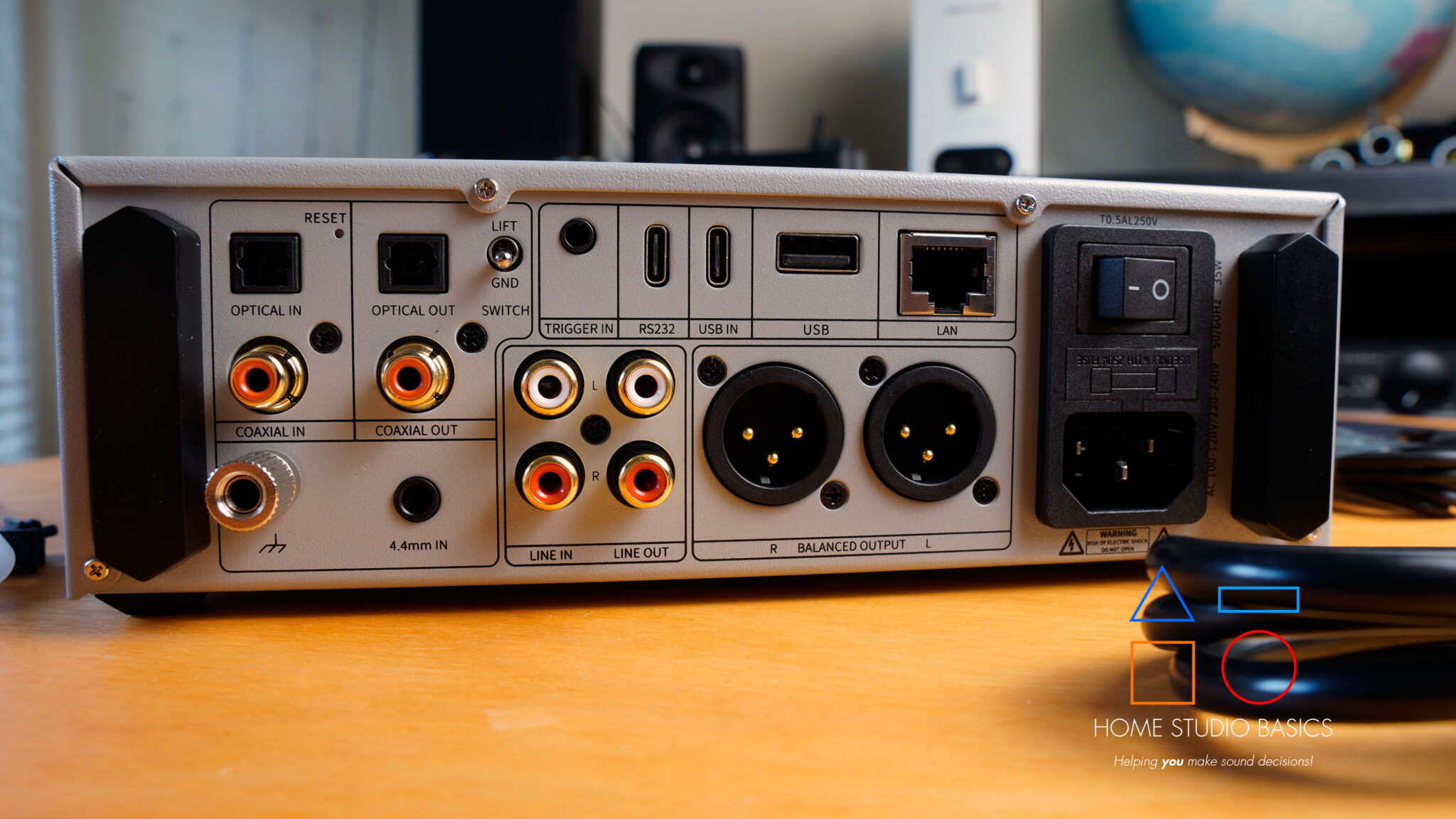
It offers just about every connection you could possibly want, making it equally comfortable driving a pair of headphones, active studio monitors like my Yamaha HS7s, or integrating into a much larger desktop audio setup.
In fact, while working on this review, I ended up using the K17 as the balanced DAC for my HS7s that currently reside on my workbench.
Since I don’t currently have a second audio interface, it filled that role perfectly, allowing me to switch over and keep working without missing a beat (no pun intended).
I can’t say that about any other DAC I have here (well, one that actually works cough EF400 COUGH), and it’s one of those practical advantages you don’t really appreciate until you actually need it.
And I think that’s the first thing that struck me about the K17.
It doesn’t feel like a DAC with a headphone amp attached. It feels like the centerpiece of an entire desktop audio system.
Performance
- Playlist(s): Stay Sane,Hip-Hop 101,My Belle,Crack Cocaine, Love Is Calling,Love Is Calling Pt. 2, The New Beach Playlist For Guys Still Named Brian 2026 Edition, tHiS iS NoT a LoVe pLaYliSt
- My Music: Here!
- Source(s): FLAC, Lossless
- Headphones/Monitors Used: Yamaha HS7, Beyerdynamic DT900 Pro X
If you know me at all or have read my ethos, you probably know where I’m headed.
The K17 doesn’t have some magical Mickey Mouse sound signature that suddenly transforms every headphone you plug into it, making you squeal like Ms. Piggie whenever Kermie’s in the room.
Nor should it. However, you should squeal if you see a Kermie.
A competent DAC/amp is supposed to get out of the way, and that’s what the K17 does. What I appreciated most wasn’t some dramatic sonic revelation that doesn’t exist.
It was the confidence that, whether I was listening through headphones or feeding my HS7s, the product simply did its job without drawing attention to itself like Madonna when she’s 742 years old and still acting like a spoiled 20-year-old diva.
Silent background, excellent channel balance, plenty of clean power. No fuss no muss.
Compared to something like FiiO’s excellent entry-level K11, you’re paying for far more than clean audio. You’re paying for the additional power, connectivity, interface, and flexibility to build an entire desktop system around it.
Comparisons/Value
This is where things get a little tricky.
If all you need is a clean DAC/amp to power your headphones, something like the FiiO K11 already gets you 99.87456% of the way there for a fraction of the price.
From a purely sonic standpoint, I don’t think you’re leaving much on the table.
So what exactly are you paying for?
Mostly convenience.
The K17 gives you substantially more connectivity, considerably more power, a much nicer user interface, balanced outputs for active monitors, EQ functionality, and the flexibility to serve as the centerpiece of an entire desktop audio system.
That’s a very different proposition than simply plugging a pair of headphones into a DAC. Whether that’s worth the extra money depends entirely on how you’ll use it.
If you’re simply looking for a transparent DAC/amp to sit on your desk, I’d have a hard time telling you to spend roughly 9-10x as much.
Final Verdict
And I think that’s the biggest takeaway today.
The K17 is an exceptionally well-built desktop DAC/Amp with more features than most people will ever need. The problem isn’t the product, it’s the price.
If you genuinely need all of the connectivity, balanced outputs, desktop flexibility, and enough power to drive a small country, the K17 absolutely delivers.
But if your goal is simply to enjoy your music through a transparent DAC/amp, something like the K11 already accomplishes that remarkably well for what amounts to peanuts comparatively speaking.
For me, the K17 makes the most sense for someone building a permanent desktop audio setup who plans to take advantage of everything it offers… well, until the next flavor of the week DAC arrives in a month from now.
If it were me, I’d save the money and put it toward better headphones or speakers instead.
Pricing/Specs/Box
Price: Check Amazon!

FiiO K17 DAC/Amp
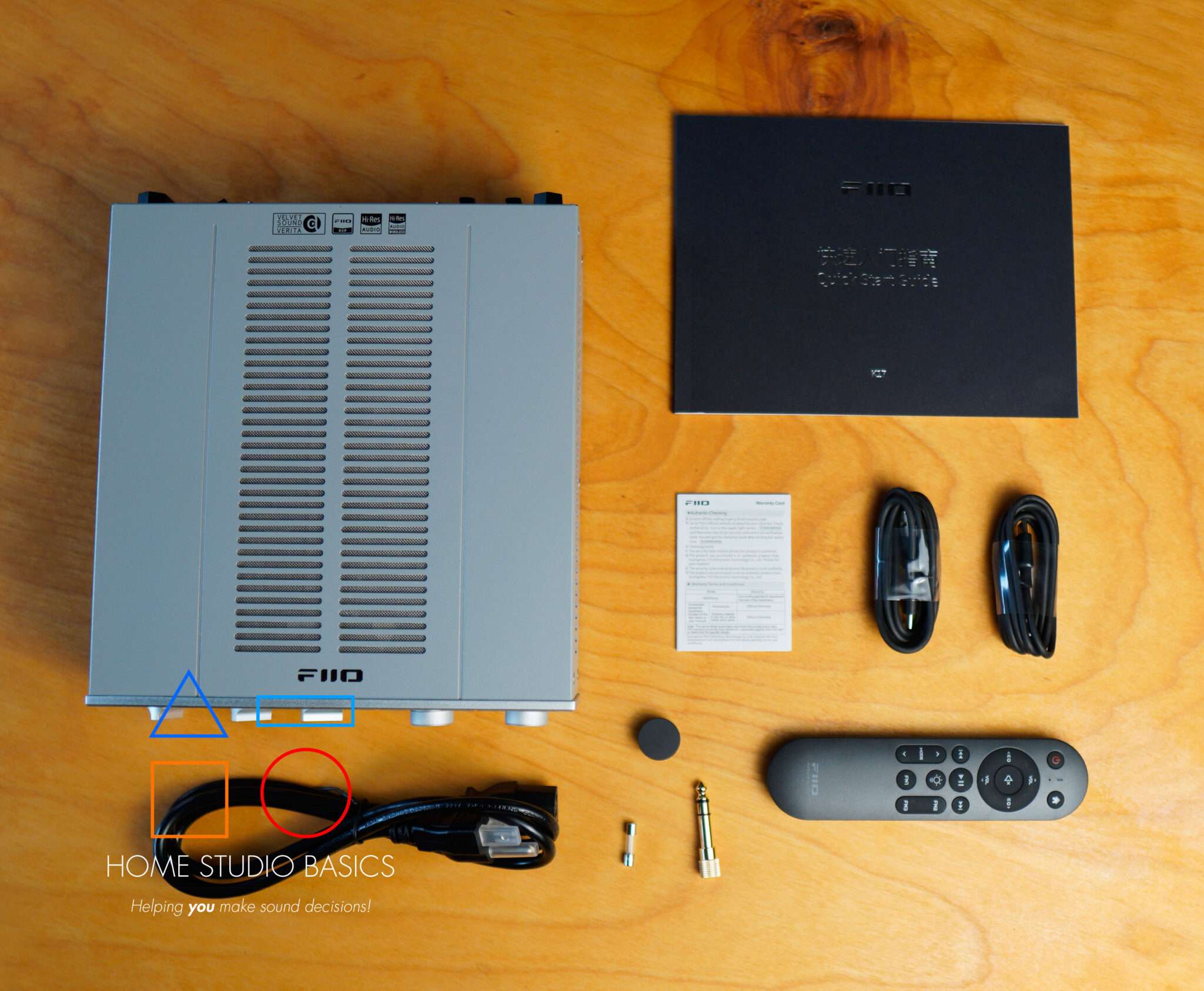
AC Power Cord
IR Remote Control
2x USB Data Cables
6.35mm to 3.5mm headphone adapter
XLR4 protective cover
Spare fuse
Quick Start Guide
Warranty Card
Specifications
- DAC: Dual AK4191EX + Dual AK4499EQ
- USB: XMOS XU316
- Headphone outputs: 6.35 mm, 4.4 mm balanced, 4-pin XLR
- Line outputs: RCA and balanced XLR
- Line inputs: RCA and balanced 4.4 mm
- Digital I/O: USB-C, USB-A, optical in/out, coaxial in/out
- Network: Gigabit Ethernet, dual-band Wi-Fi (2.4/5 GHz)
- Bluetooth 5.1 with SBC, AAC, aptX, aptX HD, aptX Adaptive, LDAC
- 3.93-inch color touch display
- Global 31-band PEQ Remote control included
- Weight: ~2.75 kg (6.1 lb)
Well, that’s about it for today my friend! I hope you’ve enjoyed this FiiO K17 Review and came away with some valuable insight.
Questions? Comments? Requests? Did I miss the mark on something? Please leave them down below or Contact me!!
If you love what I do here and want to support the blog and channel in a more personal way, check me out on Patreon and discover all the value I have to offer you.
Which of these sounds the best for studio use? I would love to hear from you. Until next time…
All the best and God bless,

-Stu
[Xtr@Ba$eHitZ] > Now AudioFiles Anonymous