

Top 7 Beginner Guitar Playing Mistakes to Avoid
You pick up your first guitar full of excitement. Yet that excitement can disappear surprisingly quickly when your fingers start hurting, the strings buzz, and your recordings sound nothing like what you hear on YouTube.
Fretted instrument sales have grown 38 percent over the past decade, according to NAMM reports, and thousands of new players are setting up home studios every month. The problem is that many of them hit the same early walls and end up quitting before they ever really get going.
- Related: How To Build A Home Studio: Part I
There are strategies for avoiding mistakes with Superprof that connect you with qualified guitar tutors across the United Kingdom. These tutors offer personalized one-on-one guidance to help fix technique problems before they become permanent. Getting a handle on the seven most common beginner mistakes can make the difference between constant frustration and actually enjoying the process while building tone and recordings you feel proud of.
1. Pressing Too Hard With Your Fretting Hand Sabotages Technique From Day One
One of the very first mistakes most beginners make is pressing way too hard on the fretboard. A lot of new players think that more pressure equals clearer notes. It does not.
Instead, you end up with sore fingertips, aching hands, and that annoying buzz that refuses to go away. Guitar World experts have pointed out that this heavy-handed approach leads to hand strain and sore fingertips surprisingly fast, turning what should be enjoyable practice into something painful. Many beginners give up in the first few weeks simply because their hands hurt too much to continue.
You notice the problems immediately in your recordings. Notes that should ring out clearly sound muffled or slightly off pitch instead. The fix feels almost too simple at first. Use the smallest amount of pressure possible right behind the fret wire. Once your finger strength improves, this lighter touch gives you a much cleaner sound and far less fatigue.
Take a moment every few minutes during practice to relax your shoulders and jaw. Tension has a habit of traveling straight down to your hands. Keep your fretting-hand nails trimmed short, too. These small habits make a bigger difference than most beginners expect, especially when you’re trying to get clean takes in the studio.
Many players who finally corrected this habit reported being able to practice twice as long without discomfort, which directly improved the quality and length of their home recording sessions. You will also hear better sustain and clarity when monitoring through studio headphones, making layering tracks much more satisfying and reducing the need for heavy compression later.
2. Ignoring Rhythm and Timing Practice Undermines Everything You Record
It is easy to get caught up in learning chords and melodies while completely forgetting about timing.
You play without a metronome or backing track and convince yourself it sounds fine. Then you record it and realize how disjointed everything feels.
The truth is that solid rhythm is what makes your playing come alive. In a home studio, loose timing becomes painfully obvious in the mix. Good timing lets your guitar sit perfectly with drums or loops and makes overdubs much easier. Even spending five minutes a session with a metronome or simple backing track can speed up your progress more than you would think.
Many beginners stick only to 4/4 straight eighth notes. They miss the groove found in syncopation or swing feels common in popular music.
Record yourself playing along to backing tracks, then listen back critically through reference headphones. You’ll quickly hear where your timing drifts. Guitar World articles frequently mention that not playing along to something is one of the top reasons players sound unmusical, even when their notes are technically correct.
Developing this skill early makes everything else in your home studio workflow smoother and more professional-sounding, especially when you start adding multiple guitar layers or working with a click track in your DAW.
3. Skipping Fundamental Chords and Transitions Limits Your Home-Studio Options

Some beginners get impatient and jump straight into flashy solos or complicated songs before learning basic open chords properly. It is tempting, but it creates a lot of frustration later.
Without a solid foundation in the core chords, your options for recording real songs stay limited. Spend regular short sessions on major, minor, and seventh chords along with smooth changes between them. Something as simple as drilling G to C to D repeatedly builds muscle memory faster than you expect. Suddenly playing actual songs feels enjoyable instead of like hard work.
Try visualizing the chord shapes in your mind before you move your hand. It sounds a little odd, but it helps. Identifying pivot fingers that stay in place between chords also smooths things out. When you practice these changes along with a simple backing track, your home recordings start sounding more complete, and you need far fewer retakes.
Guitar World stresses that trying to run before you can walk is one of the classic beginner pitfalls that slows progress dramatically and limits what you can realistically capture in a home studio environment. Taking the time to master these basics opens up far more creative possibilities than rushing into advanced material ever will.
4. Neglecting Regular Tuning and Basic Setup Frustrates Daily Progress
It is surprisingly common for new guitarists to keep playing on instruments that are slightly out of tune or have high action without noticing how much it’s holding them back. Everything feels harder than it should. Your ear development slows down, too.
Once you get a decent setup with comfortable action and proper intonation, the whole experience changes. Practice no longer feels like such a struggle. Your guitar finally starts working with you instead of against you, and you’ll notice your recordings immediately sound clearer and more satisfying.
Learn a few basic maintenance habits early on. Wipe down your strings after every session and check for fret buzz now and then. Most entry-level guitars come out of the box needing a proper setup. A lot of beginners fight with them for months before doing anything about it. Guitar World’s team advice is very clear on this. Poorly set-up guitars with high action, tuning issues, and buzz strongly discourage beginners, even on brand new instruments.
Taking care of this early prevents months of unnecessary frustration and helps you focus on making music instead of fighting your gear every single time you pick it up. A quick professional setup or learning basic adjustments yourself can transform a frustrating instrument into something inspiring.
5. Getting Gear-Obsessed Too Early Steals Focus From Core Skills
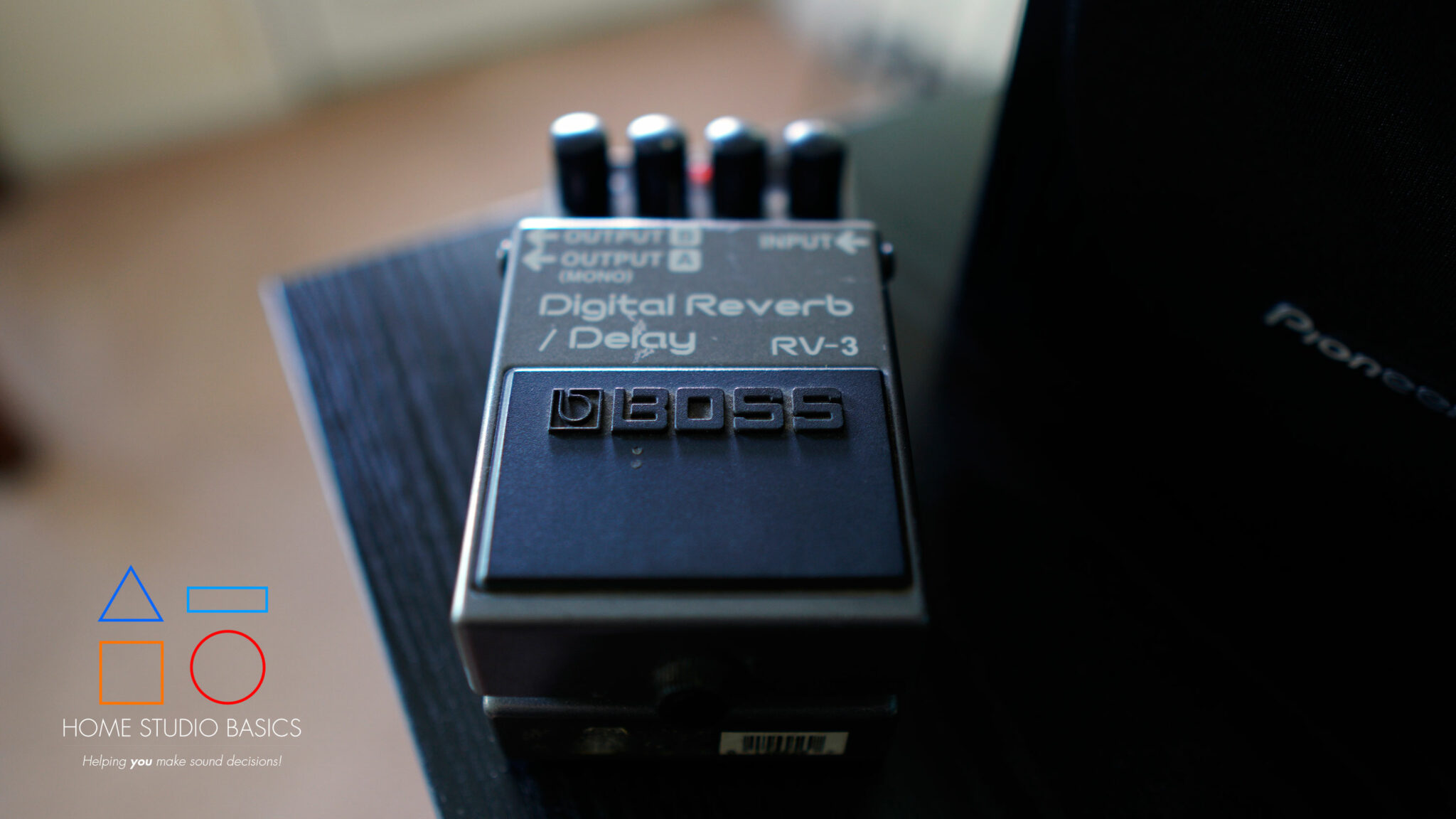
It’s really easy to fall into the trap of buying new pedals, amps, and effects before you’ve even sorted out the basics. I completely understand the temptation. Fresh gear is exciting, and it feels like you’re making real progress.
The problem is that most of the time it backfires. You start chasing impressive high-gain tones and fancy effects while your fundamental technique is still shaky. The result is usually muddy, compressed recordings that end up hiding more problems than they solve.
Many experienced players and instructors point out that this gear-first mindset is one of the biggest early mistakes. Guitar World’s 2026 guide on dialing in amps even calls too much gain one of the most common tone mistakes because excess distortion compresses your signal and hides articulation.
NAMM reported guitar pedals reached nearly 200 million dollars in sales last year, largely from hobbyists.
That excitement is understandable, but timing matters. It is much smarter to develop clean playing first, then add equipment that actually enhances what you can already do. Starting with a good foundation lets you make much better buying decisions later when you actually know what you need and what will truly improve your sound.
6. Practicing Without Structure or Goals Slows Long-Term Growth
Random noodling feels enjoyable at first. You pick up the guitar, mess around for a while, and put it down. Over time, though, this approach leads to frustrating plateaus and uneven skills.
Without any kind of plan, it’s easy to reinforce bad habits and neglect important areas like technique, rhythm, and creativity.
Guitar publications often mention that simply waiting for inspiration instead of practicing consistently is what stalls so many players. Even short daily sessions of five to ten minutes on a new chord shape can make a noticeable difference over weeks and months.
Setting small weekly goals and keeping some kind of loose track of your progress makes a surprising difference. Motivation holds up better even on days when improvement feels slow. The best part is that this structure still leaves plenty of room for free play. It becomes the right balance between discipline and creativity that many successful players eventually discover.
Structured practice pays off especially well in the home studio.
You start getting more consistent takes, need fewer edits, and find it much easier to layer parts cleanly.
Many experienced home-studio players say their best recordings only came after they added some routine to their practice. Without it, sessions often feel scattered and progress remains slow, no matter how many hours you put in. A simple practice planner can change this completely and help turn sporadic hobby time into steady, satisfying improvement.
7. Constantly Comparing Yourself to Others Drains Motivation and Stalls Joy
Social media makes this one incredibly easy to fall into. You see highlight reels of players who sound flawless, and suddenly, your own playing feels disappointing.
Most beginners forget that every good guitarist they admire went through the same awkward early stages. Comparing yourself constantly creates impatience and kills motivation. The healthier approach is to focus on your own small improvements and personal enjoyment instead of external validation.
Document little wins along the way. Cleaner chord changes, better timing, or that first decent home recording all matter. These personal milestones keep the journey rewarding and help you build a lasting love for the instrument.
Acoustic Guitar magazine’s coverage of the 2026 NAMM Show noted how many young players were actively trading licks and clearly invested in the instrument. That kind of personal engagement is what keeps people playing for years rather than months.
Relying Too Much on Electronic Tuners Without Developing Your Ear
Another habit that quietly holds beginners back is depending completely on clip-on tuners or apps while never training your ear. Electronic tools are incredibly useful, especially in the beginning. But if you never learn to recognize when a string is slightly sharp or flat by listening, you limit your musical growth in surprising ways.
Guitar World lists over-reliance on electronic tuners as one of the common pitfalls. Taking a few moments each session to tune by ear, even if you check afterwards with your tuner, builds a much better sense of pitch. This skill becomes incredibly valuable in the studio when you need to match tones, layer harmonies, or record without constant retuning.
It also helps you notice when old strings have lost their brightness long before they sound obviously dead, saving you from dull-sounding tracks that require heavy EQ in post-production.
Build Strong Foundations and Unlock Your Guitar Potential in 2026
Avoiding these mistakes greatly improves your chances of sticking with guitar long enough to really enjoy it. The numbers from NAMM show strong growth in fretted instruments and pedal sales, which means more beginners than ever are jumping into it. The ones who last are usually those who focus on solid fundamentals early instead of rushing ahead.
Take your time with the basics. Be patient with yourself. Make smart decisions about gear when the moment is right. Your future recordings, your technique, and your overall enjoyment will all benefit. Keep showing up, celebrate the small victories, and build skills that make every practice session and recording session feel worthwhile.
The journey is much more rewarding when you give yourself the right foundation from the start. With the right habits, you will look back on these early months as the time when everything started to click, and your home studio actually became a place of creativity instead of frustration.
Learn how to build a home studio: