
Why Your Headphones Decide More Competitive Games Than Your Aim Does
Most competitive gaming advice starts and ends with the same three things: aim trainers, mouse sensitivity, and monitor refresh rate.
Audio gets a footnote, if it gets mentioned at all. That has always struck me as backwards. At the level where players are evenly matched on mechanics, sound is what decides fights before the first shot lands. If you already care about how your music or your mixes sound, you are sitting on an edge most players never think to use, and it starts with the headphones already on your desk.
The good news is that almost none of this requires new skills. The same critical listening that helps you catch a muddy low end or a harsh cymbal is the exact skill that lets you pinpoint an opponent two rooms away. You just have to point it at the game, and give it a chain worth listening through.
What a competitive game is actually telling you through sound
A round of any serious shooter feeds you a constant stream of information through audio, and most of it is directional.
Footsteps tell you someone is closing in and roughly where from.
Ability cues, reload sounds, and voice lines hand you a fraction of a second of warning, which is often the whole fight. The click of a weapon swap, the hum of a nearby gadget, the shift of an enemy repositioning above you: all of it carries tactical weight.
Miss those cues, and you are playing half blind, no matter how clean your aim is.
The player who hears the flank coming turns and wins the duel before it starts. The player who does not hear it dies with full health and never understands why. That gap is almost never about reflexes. It is about whether the audio chain actually delivered the cue in the first place, and whether the person wearing the headphones was listening for it.
Games also layer their sound by distance and elevation.
A footstep above you sounds different from one on your level, and most engines quietly pull far-away enemies back in the mix so the nearby threats cut through.
On a muddy or narrow-sounding setup, all of that collapses into a single blob of noise. On a clean, wide setup, you can separate the distant rumble of a fight across the map from the one enemy who is genuinely about to be in your face. That separation is the whole game.
This is where the gear you already understand pays off.
You are not chasing bass slam or a fun, colored sound signature. You want accuracy, separation, and a wide enough stage that two sounds happening in different places actually feel like they are in different places.
Why open-back headphones win for competitive play

If you take one thing from this article, take this: open-back headphones are the single biggest upgrade most players can make to their game sense.
Open-back cans give you a wider, more natural soundstage than sealed headphones or earbuds.
Because the rear of the driver vents to the outside instead of trapping air against a closed cup, the sound does not feel like it is happening inside your skull. It feels like it is happening around you, in a space, with depth. That spatial quality is exactly what you need when you are trying to answer the only question that matters in a duel: where is that sound coming from, and how far away is it?
Imaging is the other half of the equation.
A headphone with good imaging places sounds precisely across the stereo field, so a footstep hard left reads as hard left rather than a vague smear somewhere on that side. Soundstage gives you the room. Imaging gives you the pinpoint. You want both, and the two do not always come in the same headphone, which is why the pair matters.
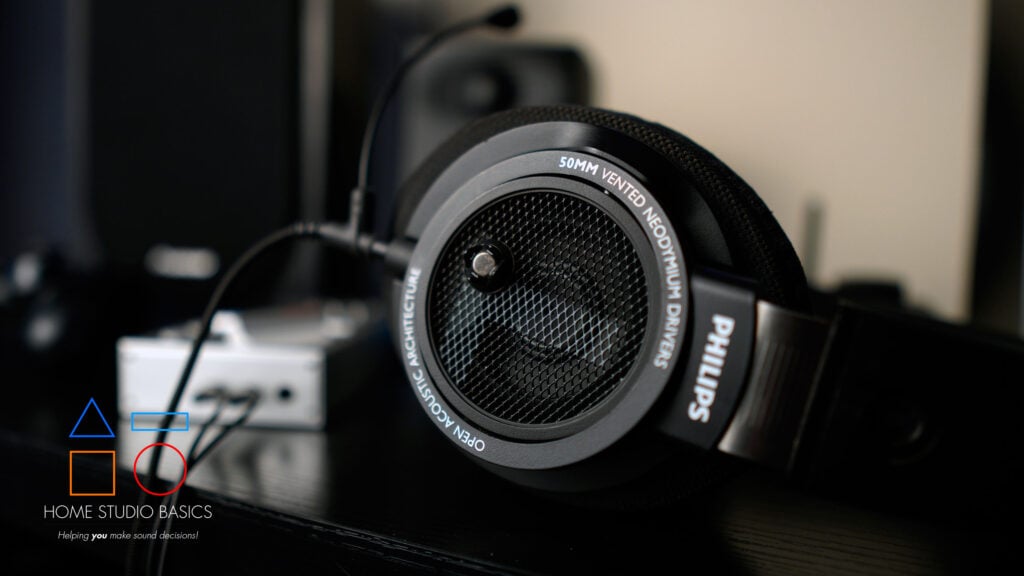
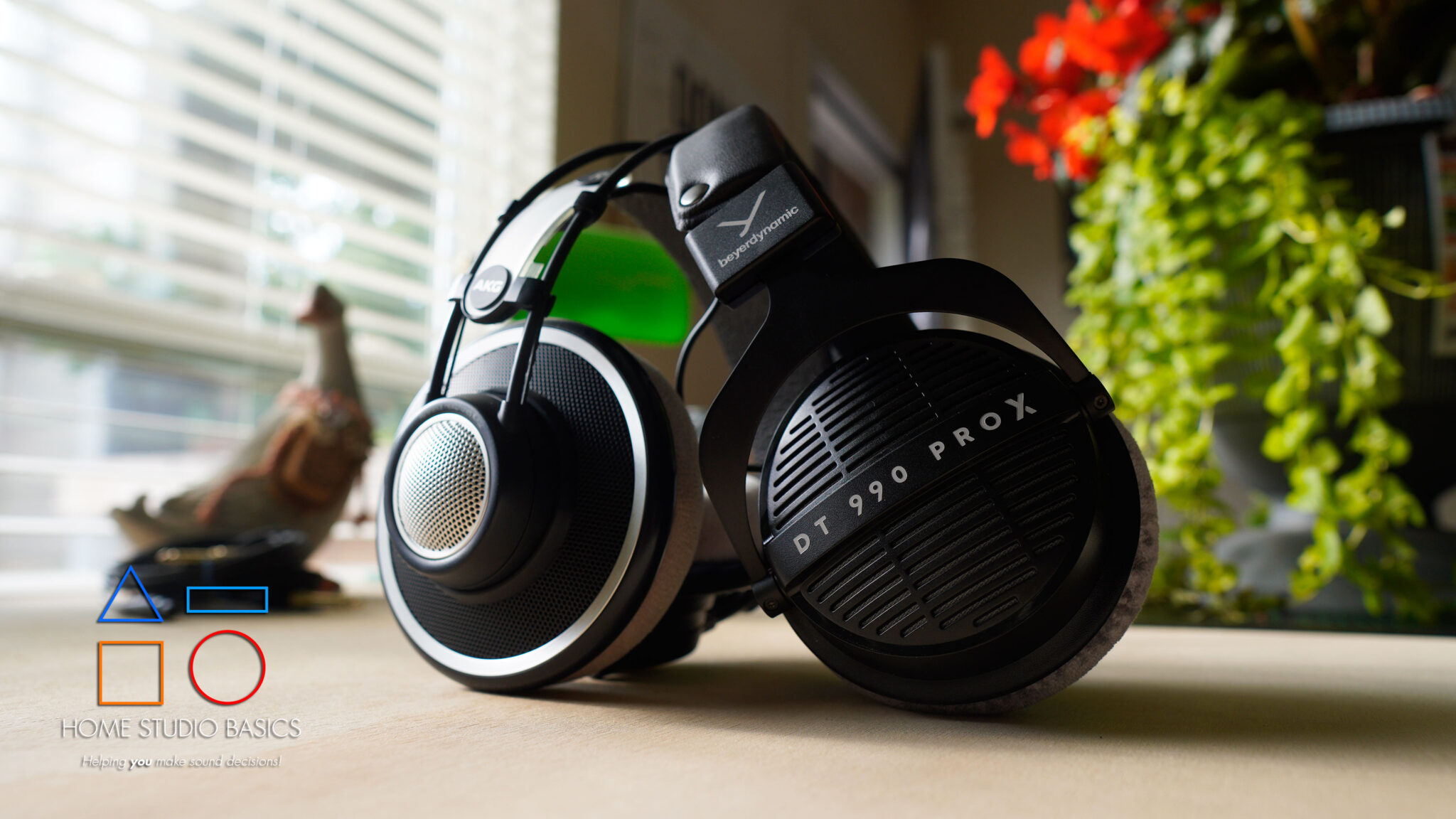
The classics on this site earn their reputation here for a reason. The Philips SHP9500 (pictured above) has been a budget darling for years precisely because it punches so far above its price on soundstage and clarity, which is why so many competitive players buy it first.
Step up, and the Sennheiser HD600 and HD650 give you a more refined, more accurate presentation that rewards careful listening. The AKG K702 is almost comically wide and airy, sometimes to the point of sounding thin on music, but that openness is a genuine asset when you are tracking positions. And the HIFIMAN Sundara brings planar speed and detail retrieval that makes quiet cues jump out. Any of these will change how you hear a match.
If your budget is tight, do not despair. A pair of Koss KSC75 clips or a Porta Pro gives you a surprisingly open, spacious sound for pocket change, and plenty of players have climbed ranks on exactly that. The ceiling is lower than a Sundara, but the principle holds: an honest, open sound beats an expensive, closed, bass-heavy gaming headset every time.
None of these are the loudest or the most exciting headphones you can buy. That is the point. For competitive audio, you want the pair that lies to you the least, and that gives you back the most information for the money you actually have.
The DAC and amp question, and why it matters more than you think
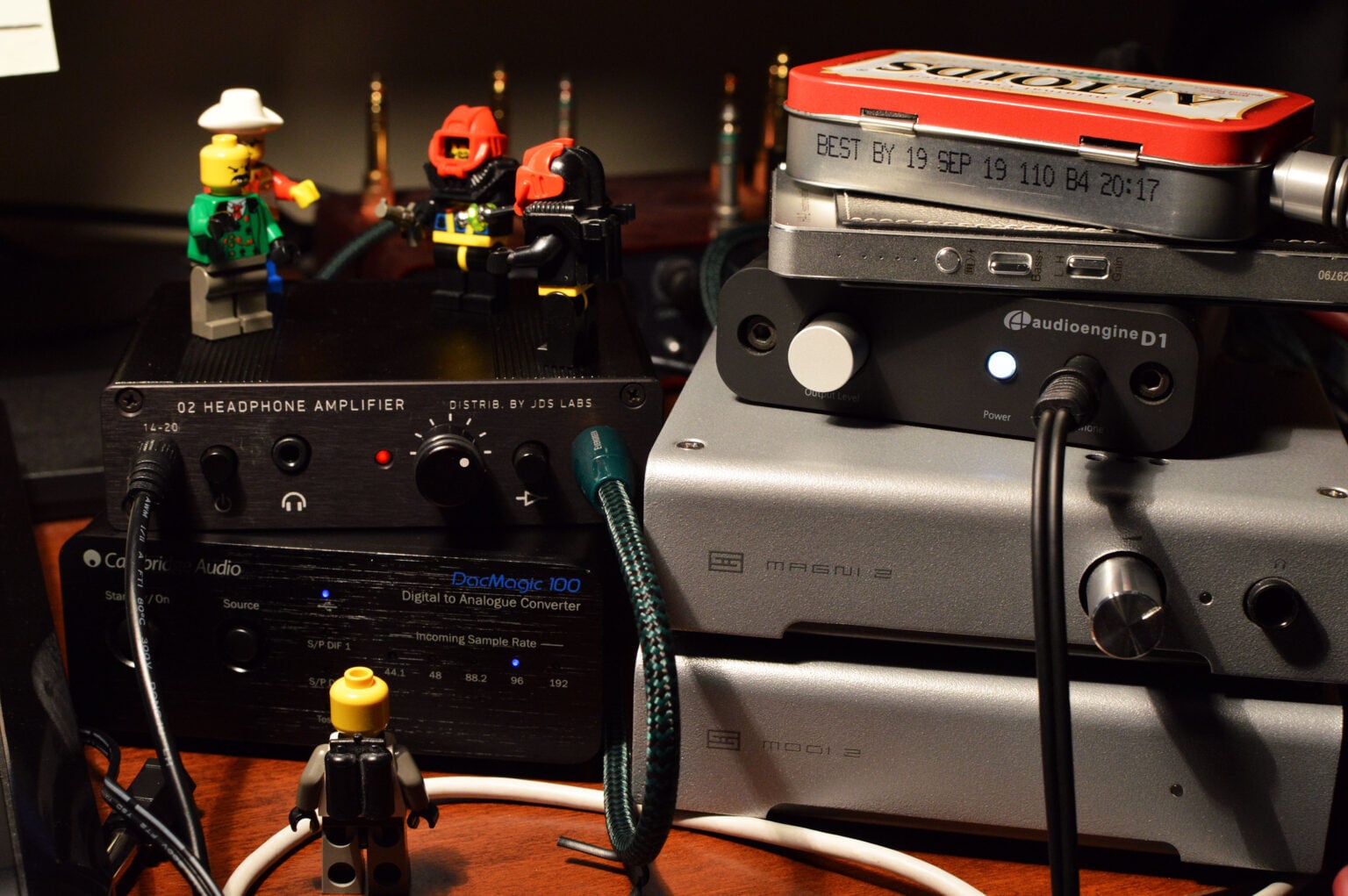
Here is the mistake I see constantly. Someone buys a genuinely good open-back headphone, plugs it straight into a motherboard jack or a cheap laptop, and then wonders why everything sounds thin and lifeless. The headphone is not the problem. The source is.
A clean DAC removes the electrical noise and hash that stock onboard audio dumps into the signal, so the quiet stuff stays clean instead of drowning in hiss. A modest amp then gives you the headroom to keep faint cues audible without cranking the master volume until an explosion blows your ears out. That dynamic range is a competitive advantage in itself. You want to hear the soft footsteps and survive the loud moments in the same sitting.
Impedance is where this gets non-negotiable. High-impedance headphones like the 300-ohm HD600 need real current to reach a usable volume with authority. Pair a demanding headphone with a phone or a weak jack, and it will sound quiet, flat, and gutless, and you will blame the headphone when the amp is the culprit. Easier loads like the SHP9500 are far more forgiving, but even they tighten up noticeably on a proper chain.
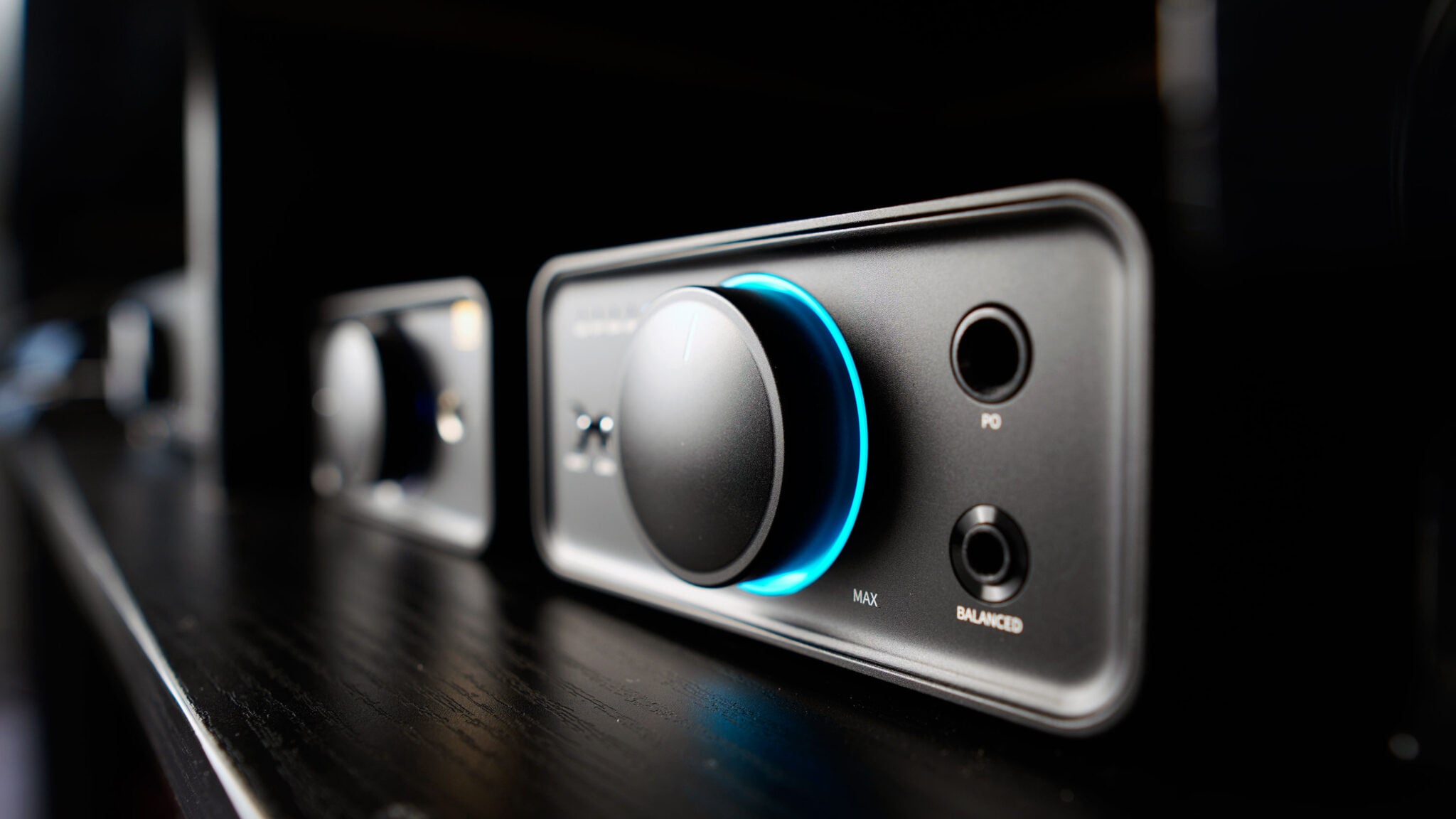
You do not need a flagship stack. A compact combo unit does the job. Something like a Fosi Audio portable amp and DAC combo like the DS2, or a FiiO desktop unit like the K7, closes most of the gap between stock laptop audio and a real listening chain for a very reasonable price. The jump from onboard to a simple dedicated chain is night and day once you start listening for direction rather than just volume.
Open-back versus closed-back for your actual room
The soundstage argument makes open-back headphones the obvious pick, but the right answer also depends on where you play.
Open-back pairs leak sound in both directions. That is fine when you are alone in a quiet room. It is miserable if you share a space with a talkative household, or if you run a live microphone, because an open cup will happily bleed your game audio straight into your mic for everyone on comms to hear.
In that situation, a well-tuned closed-back headphone is the smarter call, even if you give up a little of that open, airy stage.
Closed designs also isolate you from outside noise, which can help you focus in a loud environment. In most cases, you lose some of the spatial magic (there are exceptions), but a good closed-back with strong imaging still beats any pair of earbuds or a gaming headset with a plastic driver and a bolted-on mic.
The point is to match the headphone to your room and your setup, not to chase the best pair in a vacuum.
Settings: kill the fake surround and trust stereo
Great hardware gets sabotaged by bad software all the time. Before you blame your headphones, check your settings.
Turn off any enhanced surround or spatial processing that sits between the game and your ears. Virtual 7.1 and similar effects take a clean stereo signal and smear it, blurring the exact left-right cues you rely on to track a flank. A lot of competitive players run plain stereo and let their ears do the spatial work, because a good open-back headphone already images beautifully in two channels and does not need software guessing on top of it.
Most games also give you a proper audio mix in their own options. Push the effects and footstep-relevant channels up relative to music and ambient sound, so the tactical layer sits forward instead of competing with the soundtrack. Plenty of players lower the in-game music considerably once they stop treating the game as a movie and start treating the sound as data.
Match your output settings to your actual hardware, stereo for stereo headphones, and resist the urge to pile on EQ. A small, careful correction to tame a harsh peak or lift buried detail can help. A heavy, bass-boosted curve will bury the footstep you are trying to hear under a wall of low end. Trust the same instinct that tells you when an EQ move on a mix has gone too far. Less is almost always more.
A quick note on the account you play on
Gear and settings carry over to any match, but the account itself matters too, especially if you want a specific rank or region to play in.
Getting there from scratch takes a serious time investment. In a game like Overwatch, for example, players who want to skip the grind sometimes look at overwatch accounts for sale instead. Sensible buyers stick to marketplaces that hold payment in escrow until the login is confirmed, and Eldorado runs that kind of escrow-backed handoff, so neither side is exposed during the transfer.
If you do go that route, protect the account like your main: change the email and password straight away, switch on two-factor authentication, and read the listing carefully before you commit. Whatever account you land on, none of the audio principles change.
Don’t forget the microphone
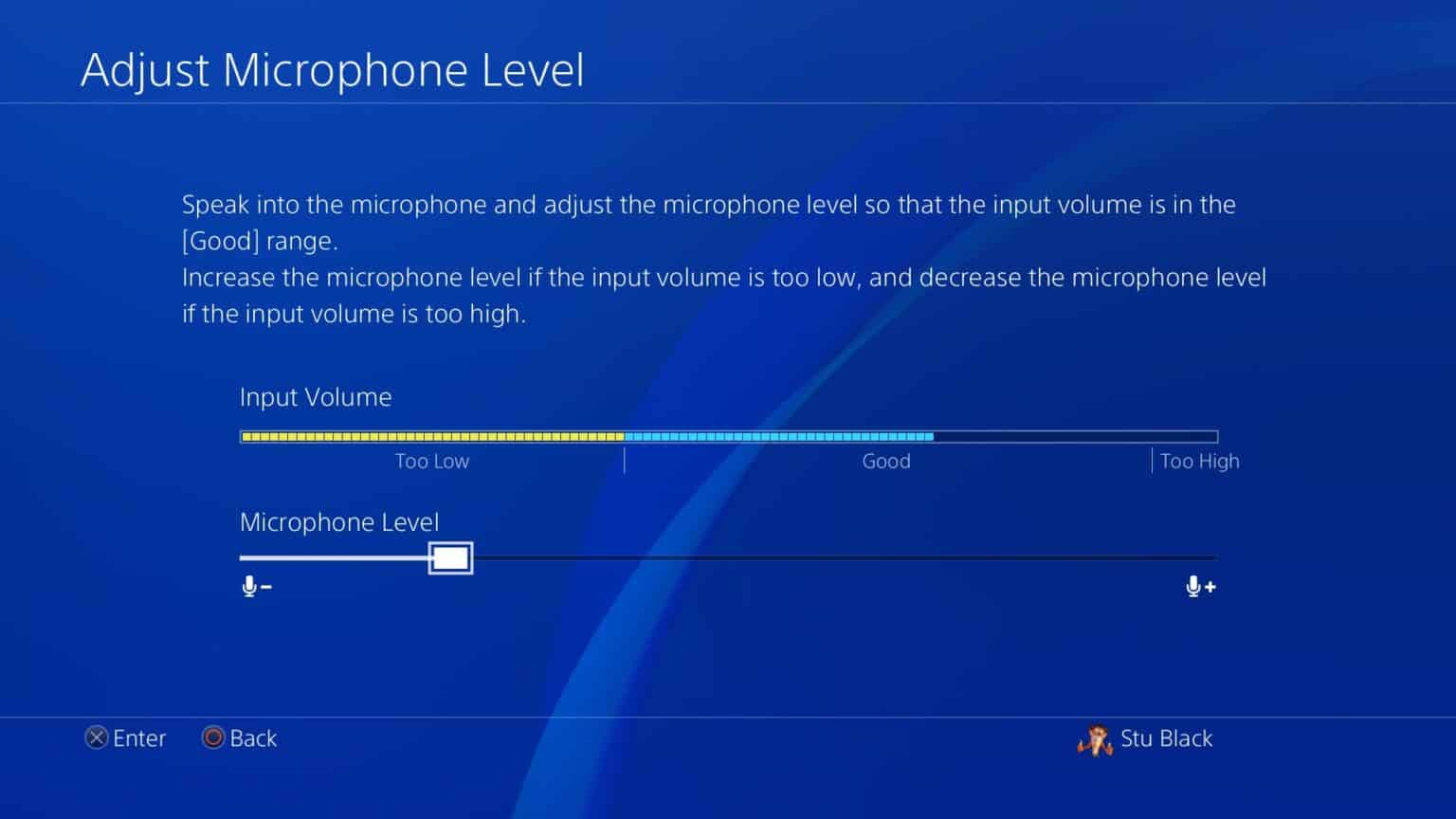
Positional audio is only half of communication. Hearing the flank is worthless if your team cannot understand you when you call it.
A clean microphone lets your teammates act on the intel you are calling out, which turns your listening advantage into shots that actually land on their side of the map too.
You don’t need a broadcast rig. A decent USB condenser or a dynamic mic on a cheap arm, positioned properly and with the gain set so you are clear but not clipping, does the job. If you run open-back headphones, a dynamic mic like the SM57 and a little care with placement help keep game bleed out of the channel. A tidy audio chain helps you hear the game, and it helps your team hear you.
Training your ears is the free upgrade nobody talks about
Here is the part that costs nothing. All the gear in the world does not help if you are not actually listening.
Spend a few matches listening instead of watching. Try to call enemy positions from sound alone, before anyone appears on screen, and check yourself against what actually happens. It feels clumsy at first. Then it starts to click, and then it becomes instinct, and suddenly you are peeking a corner a full beat before your opponent expects you there. You are not faster than them. You just knew sooner.
This is the same skill that separates a good ear from a great one at the mixing desk. You learn to hear detail inside a busy signal, to place sounds in space, to notice the thing that does not belong. Point that skill at a game, and it pays you back in wins. Build the chain, kill the fake surround, and then do the one thing most players never bother with. Listen.
Well, that’s about it for today my friend! I hope you’ve enjoyed this article on why your headphones decide more competitive games than your aim does and came away with some valuable insight.
Questions? Comments? Requests? Did I miss the mark on something? Please leave them down below or Contact me!!
If you love what I do here and want to support the blog and channel in a more personal way, check me out on Patreon and discover all the value I have to offer you.
What games are you playing right now? Are you better equipped to hear what’s going on around you? I would love to hear from you. Until next time…
All the best and God bless,

-Stu
[Xtr@Ba$eHitZ] > Now AudioFiles Anonymous
Can’t decide which headphones to purchase? Interested in a complete buyers guide outlining over 40 of the best options on the market? Click on over to the best audiophile headphones to learn more!!
Be sure to also check out my Reviews and Resources page for more helpful and informative articles!