
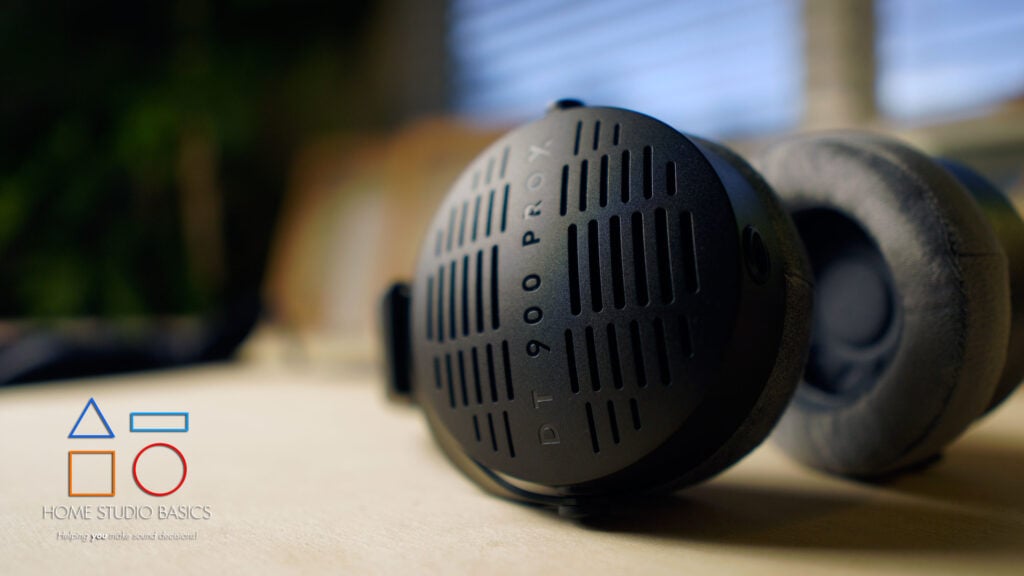
Beyerdynamic DT770 Pro X vs. 900 Pro X vs. 990 Pro X: Which Is Best?
Greetings mate and Welcome aboard! Stuart Charles here, HomeStudioBasics.com helping YOU make sound decisions, so…
Video Discussion
After spending a considerable amount of time with Beyerdynamic’s Pro X lineup, I’ve come away with some interesting impressions and am excited to share specific use cases for each and why someone should or shouldn’t buy them.
To start, the 770 surprised me with its controlled, articulate bass response and excellent resolution, but its somewhat distant presentation left me wanting more with certain genres.
The 990 offered a more open, spacious sound with excellent technicalities and a tuning that works particularly well for mixing and critical listening.
The 900 takes a slightly different approach, bringing vocals and instruments closer while maintaining much of what makes the other 2 so capable.
Despite sharing similar designs, excellent comfort, and Beyer’s STELLAR.445 driver technology, these headphones don’t necessarily provide the same listening experience, and choosing the wrong one could leave you wondering what all the fuss is about.
So, how do they compare in terms of bass, mid-range, treble, resolution, and Soundstage? Where does each excel, where do they fall short, and which one makes the most sense for your particular needs?
Let’s find out.
Bass
DT770 Pro X
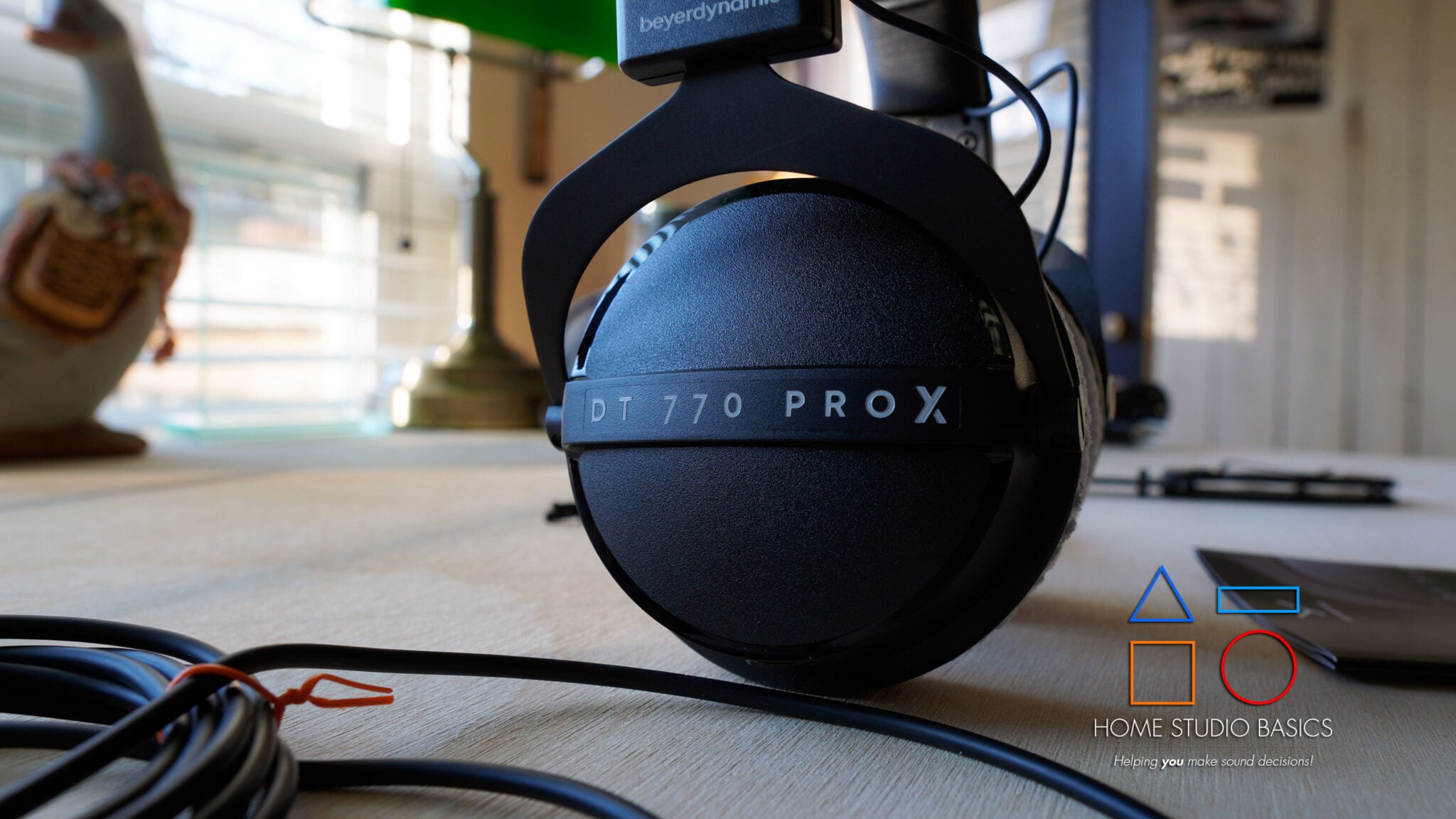
Bass is one of the more obvious differences between these 3, and while all of them provide excellent texture, control, and resolution, they go about reproducing the low end in noticeably different ways.
The DT770 Pro X provides the most pronounced bass response of the bunch, with an elevated shelf below roughly 100Hz that results in additional weight, impact, and rumble.
Despite the emphasis, it still remains surprisingly articulate and controlled, with individual notes retaining their definition rather than become a bloated, muddy mess.
This makes the 770 particularly enjoyable for Hip-Hop, EDM, and other bass oriented gernes, where that additional low end energy can give the music a greater sense of excitement and physicality.
DT900 Pro X
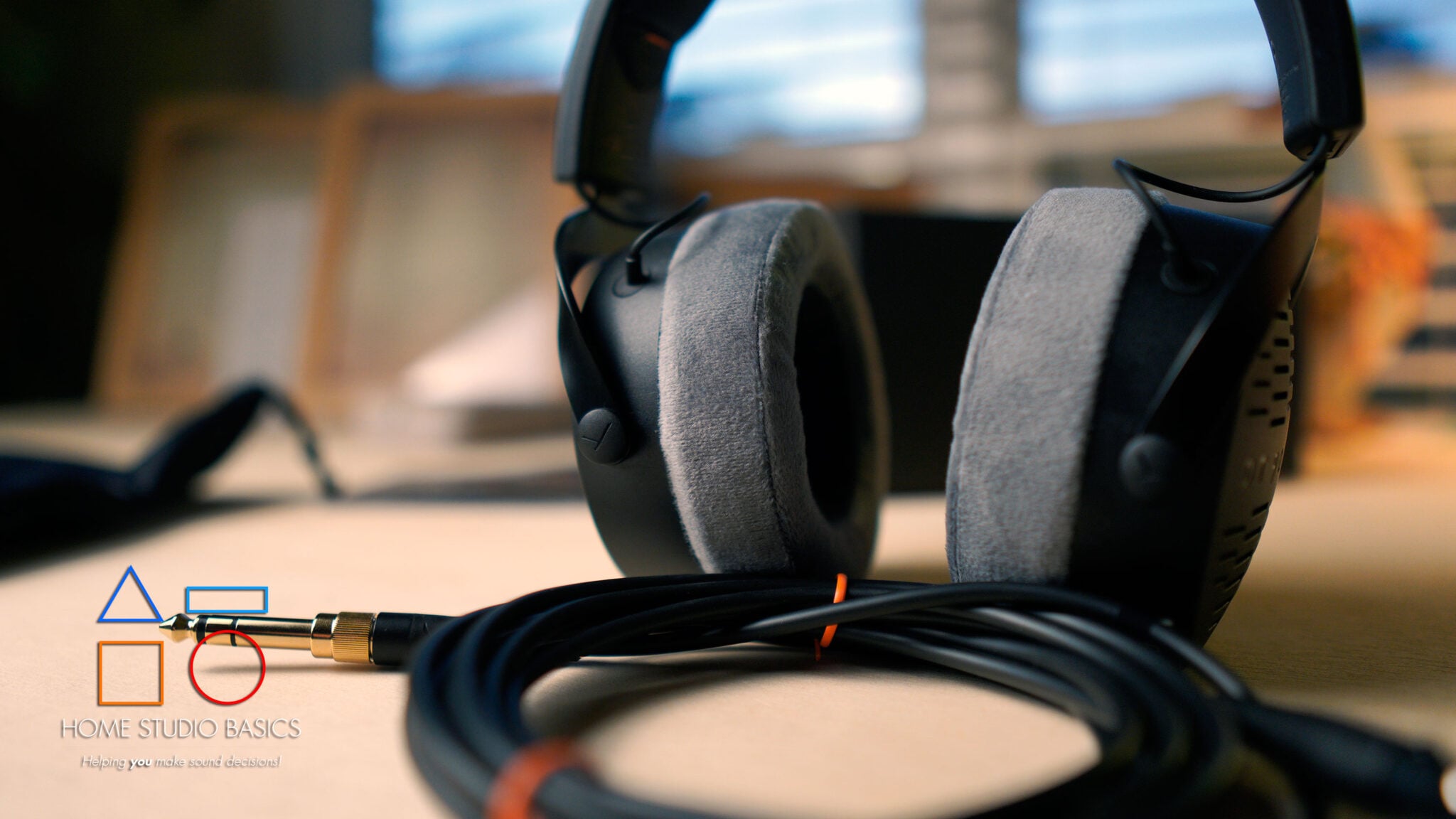
Instead of emphasizing the low end, Beyer opts for a remarkably linear response without any obvious boosts in particular regions.
And for mixing and EQ, this is precisely what makes it so effective.
Individual bass notes are incredibly easy to follow, allowing you to distinguish pitch, rhythm, and texture without the hell that comes with a response that boosts the wrong areas.
In my original DT900 Pro X review, I mentioned how my own track, From A Thin Thread (Matthew 7:13), sounded exactly as I envisioned it through the 900, with the kick and bassline maintaining their intended balance without overpowering the rest of the mix.
And that’s really what makes these so special.
You’re sacrificing some of the 770’s rumble in exchange for a more predictable, honest, and accurate presentation that allows the recording to speak for itself.
DT990 Pro X
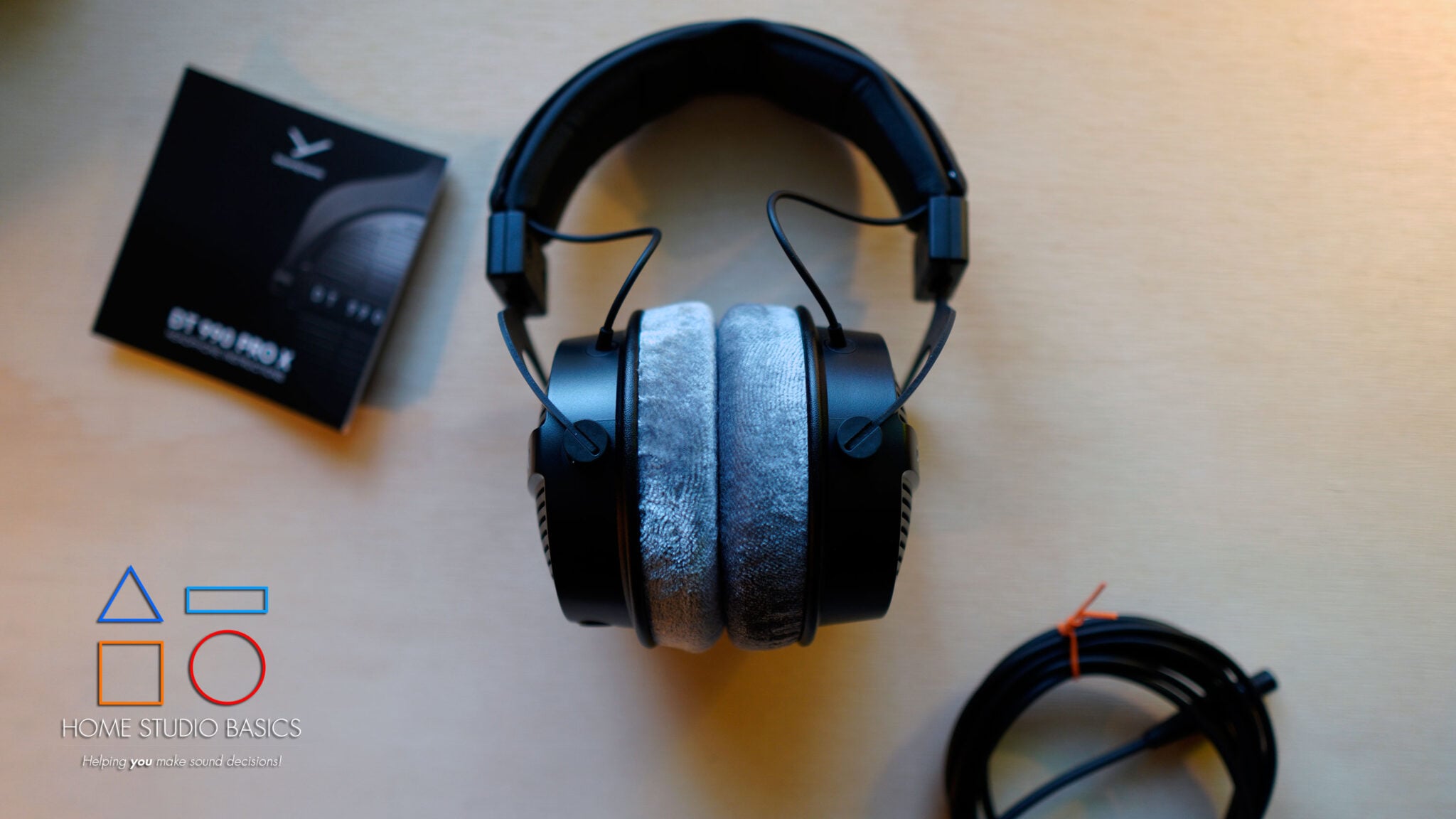
This puppy sits somewhere in the middle, closer to the 900 than the 770 in terms of overall bass quantity.
Unlike the original DT990, which emphasized the 60-90Hz region while cutting the slop regions around 200-300Hz, the Pro X version opts for a flatter response with some sub-bass roll-off.
As a result, the low end feels more restrained, assuming a supporting role rather than becoming the focal point of the presentation.
Texture and detail are still excellent, and like the 900, the 990 works well for mixing and EQ because you’re not constantly compensating for exaggerated bass frequencies.
The difference is that the 900 maintains a more linear, grounded response, while the 990 sacrifices a bit of sub-bass extension in favor of its lighter overall presentation.
So who’s king?
For pure bass enjoyment, I still think the 770 gets the nod and is pretty fun to listen to, all things considered.
For serious studio work, the 900 Pro X gets the nod, with the 990 following closely behind.
Mid-Range
Moving into the mids, the differences between these 3 become even more apparent, particularly in how vocals and instruments are presented.
DT770 Pro X
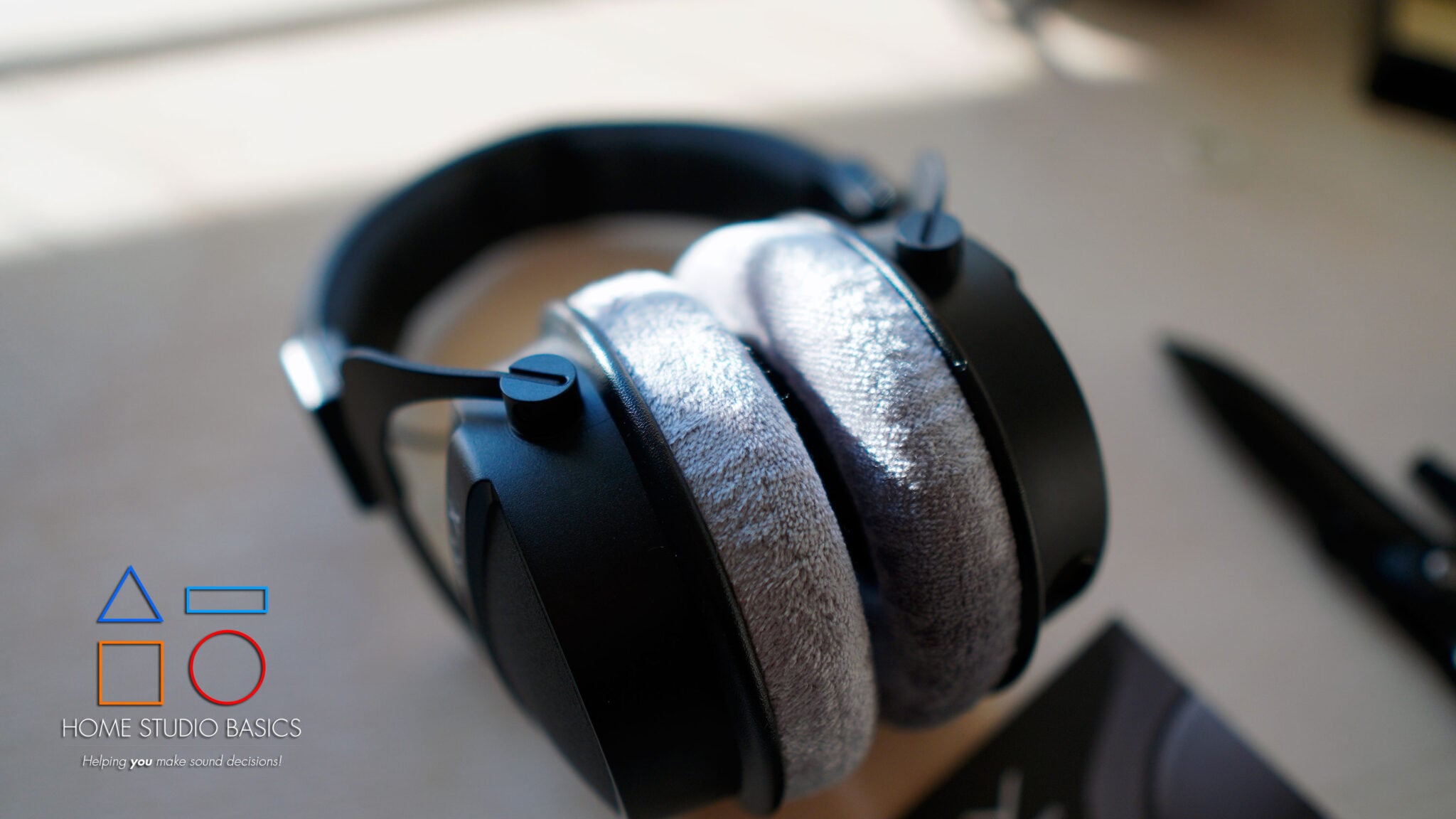
Starting with the 770, the mids are clean, detailed, and incredibly resolving, but there’s a certain distance to the presentation that bothers me somewhat.
This isn’t necessarily an issue with clarity. In fact, quite the opposite.
Smaller details are easy to pick out, instruments remain well-separated, and there’s very little congestion, even during busier passages.
The issue is more about how everything comes together (or doesn’t) like the Beatles.
Vocals can sound somewhat pushed back, and while technical performance is excellent, the overall presentation sometimes lacks that sense of immediacy that makes music feel engaging.
This was one of my main criticisms of the 770 in my original review.
Despite appreciating its resolution and control, I sometimes found myself admiring the sound rather than getting completely lost in the music.
The DT900 Pro X, on the other hand, addresses much of this.
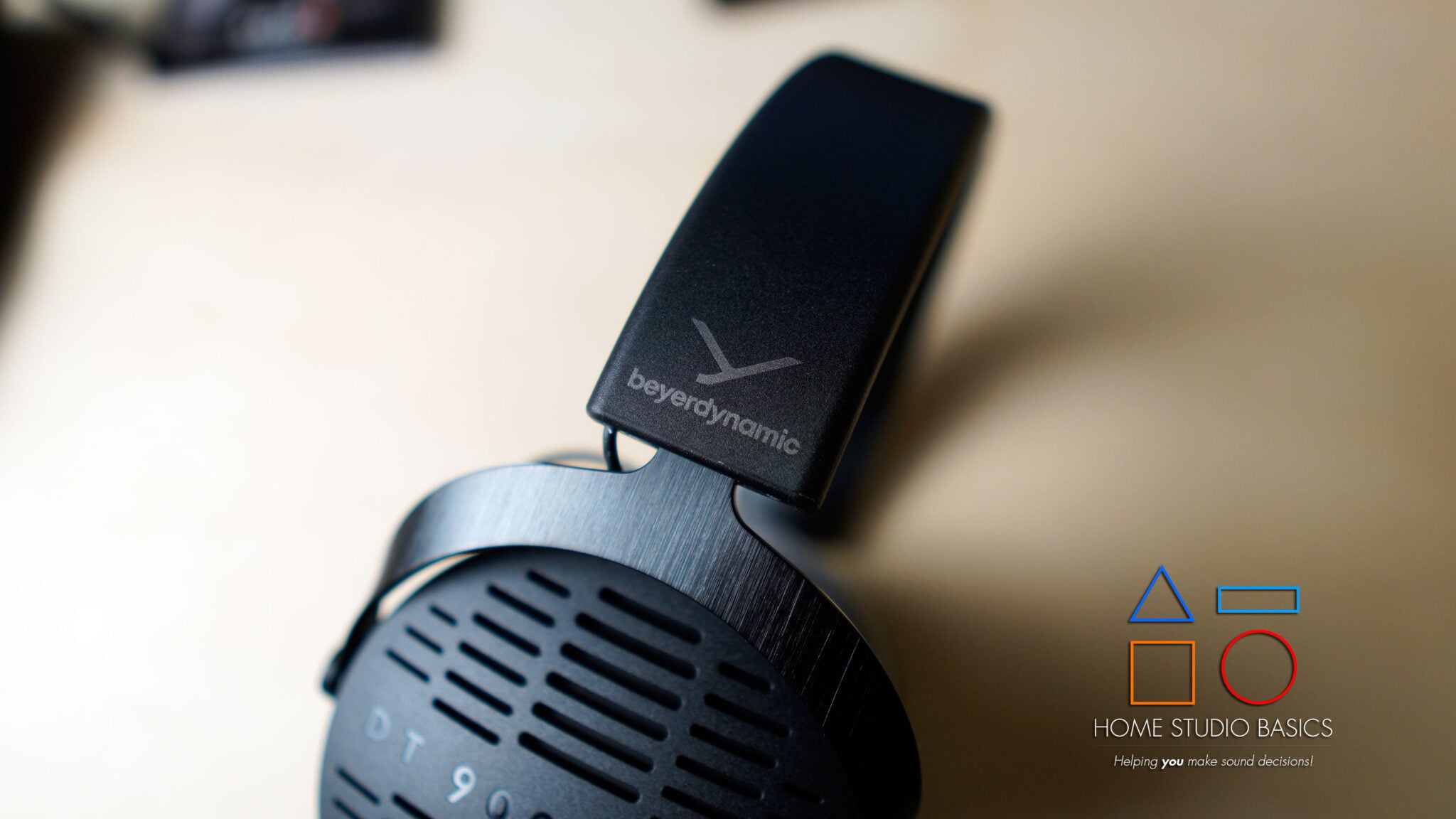
Vocals and instruments are brought closer to the listener, resulting in a more intimate, direct presentation that I generally prefer.
More importantly, this doesn’t come at the expense of resolution.
In fact, I found the 900 to have a slight edge over both the 770 and 990 in terms of overall detail retrieval, though the differences are fairly subtle.
Individual instruments have excellent definition, vocal nuances are easy to identify, and everything occupies its own space without sounding artificially separated or disconnected.
The presentation also feels natural, making the 900 particularly enjoyable across a wide range of genres.
Whether I’m listening casually, evaluating a recording, or working on one of my own mixes, the mid-range feels balanced, coherent, and easy to trust.
Finally, there’s the DT990 Pro X.
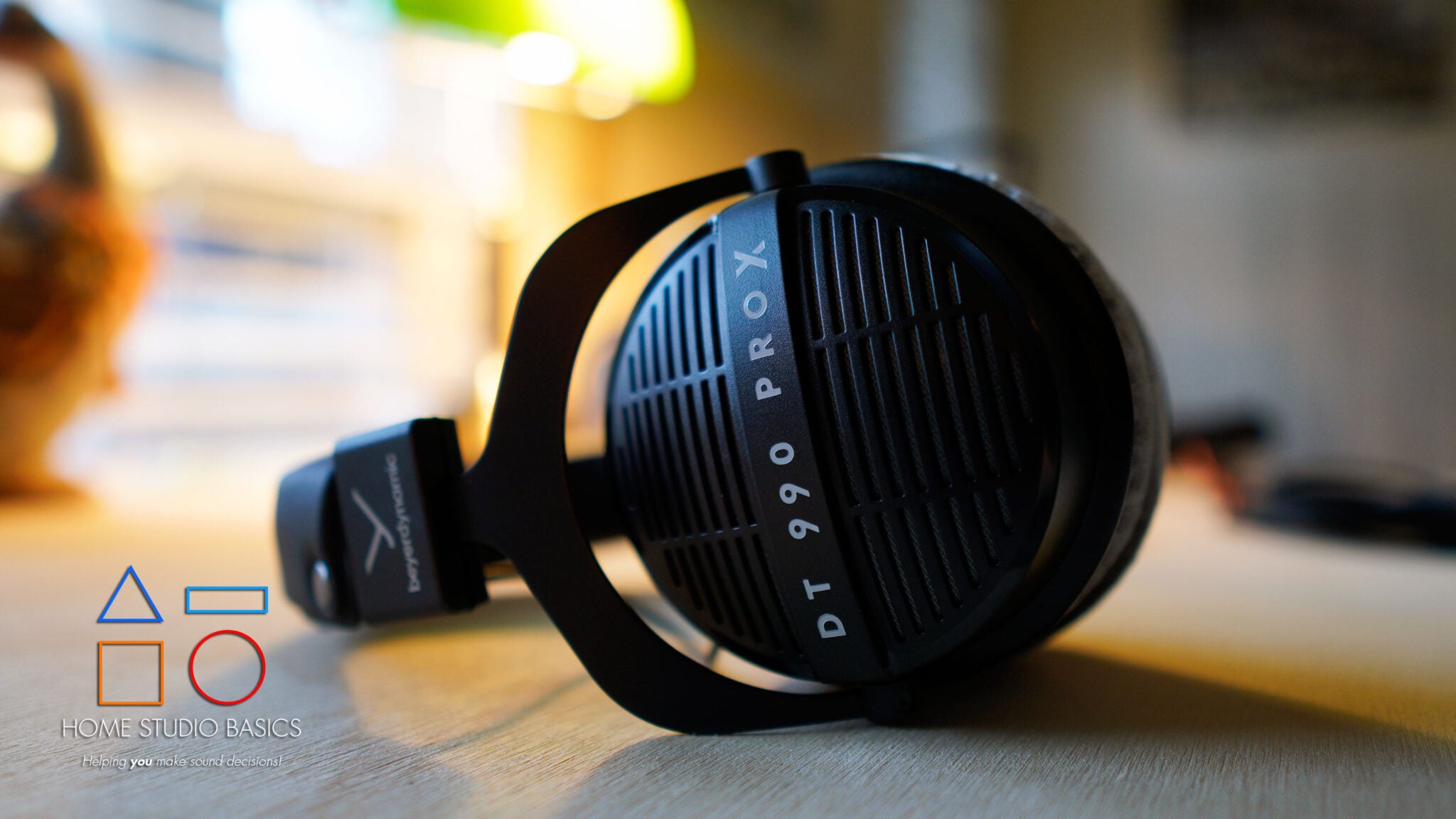
Like the 770, the 990 leans toward a somewhat more distant presentation, but its open-back design gives everything a greater sense of space and air.
Vocals aren’t quite as forward as they are on the 900, but they remain clear, articulate, and well-defined.
Instruments have plenty of room to breathe, and the additional spaciousness can be particularly appealing with complex arrangements where separation and placement are important.
The trade-off is that you lose some of the 900’s immediacy.
Rather than feeling as though the vocalist is standing directly in front of you, the 990 tends to place the performance a little farther away, creating a more relaxed, expansive listening experience.
Neither approach is inherently right or wrong, but they do produce noticeably different results.
So, which one wins?
For me, it’s the DT900 Pro X.
Its combination of natural timbre, excellent resolution, and more intimate vocal presentation makes it my favorite of the three through the midrange.
The 990 follows closely behind for its spaciousness and separation, while the 770 remains technically impressive but a little less engaging to my ears.
Treble
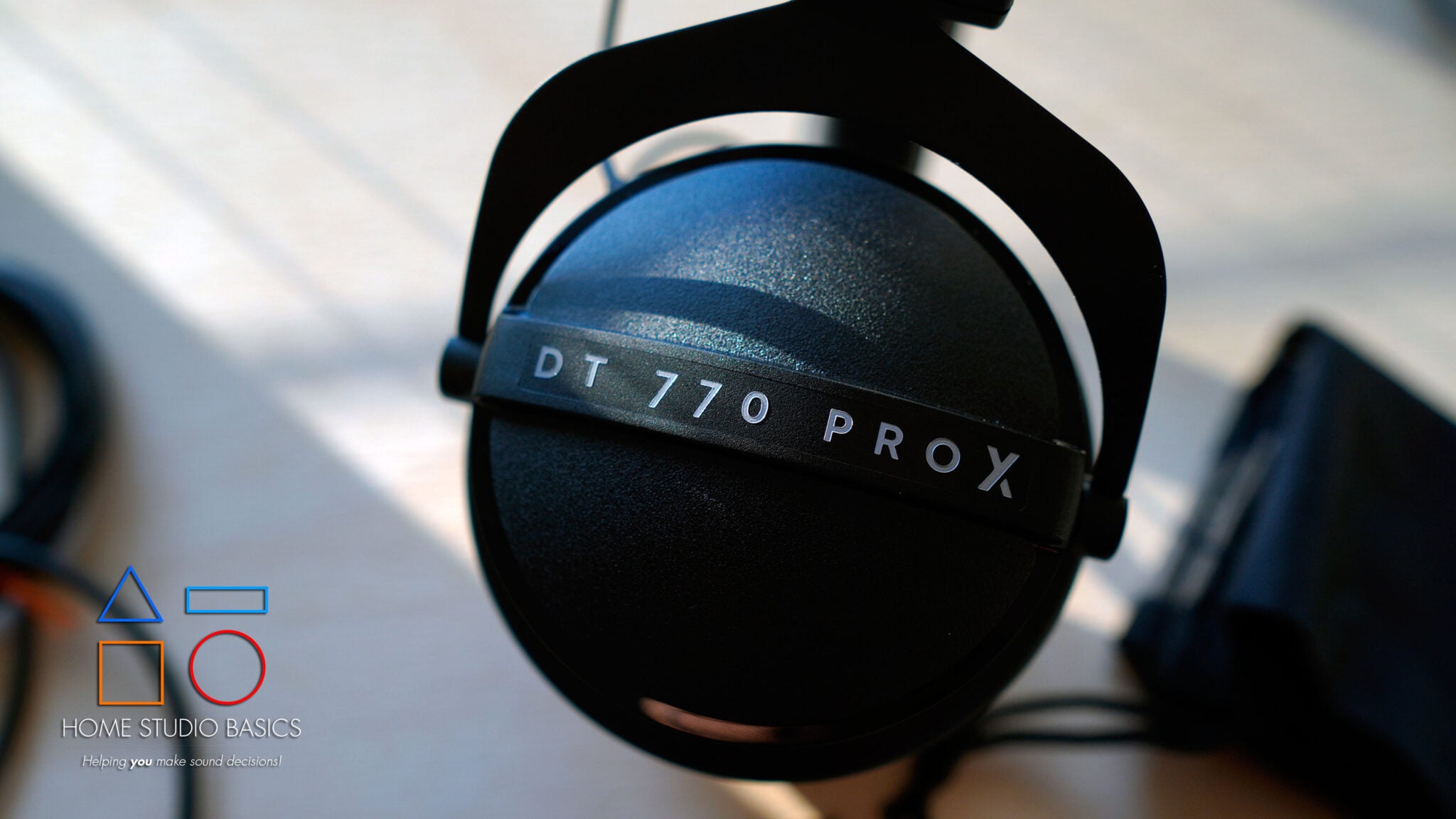
Moving into the treble, all three headphones provide excellent clarity and detail, but there are some important differences in how the upper frequencies are presented.
Starting with the DT770 Pro X, there’s plenty of energy up top, resulting in a crisp, articulate sound that makes smaller details incredibly easy to identify.
Cymbal crashes, hi-hats, and the subtle decay of instruments are all reproduced with excellent precision, and there’s a sense of sparkle that gives recordings some additional excitement.
Fortunately, Beyer has done a much better job controlling the treble here than on some of its older models.
While the 770 is certainly bright-leaning, I generally don’t find it overly harsh or sibilant, and the presentation remains relatively smooth despite the additional emphasis.
That said, the combination of elevated bass and treble can sometimes make the midrange feel even more distant, reinforcing the somewhat disconnected presentation I discussed earlier.
The DT900 Pro X, meanwhile, takes a more balanced approach.
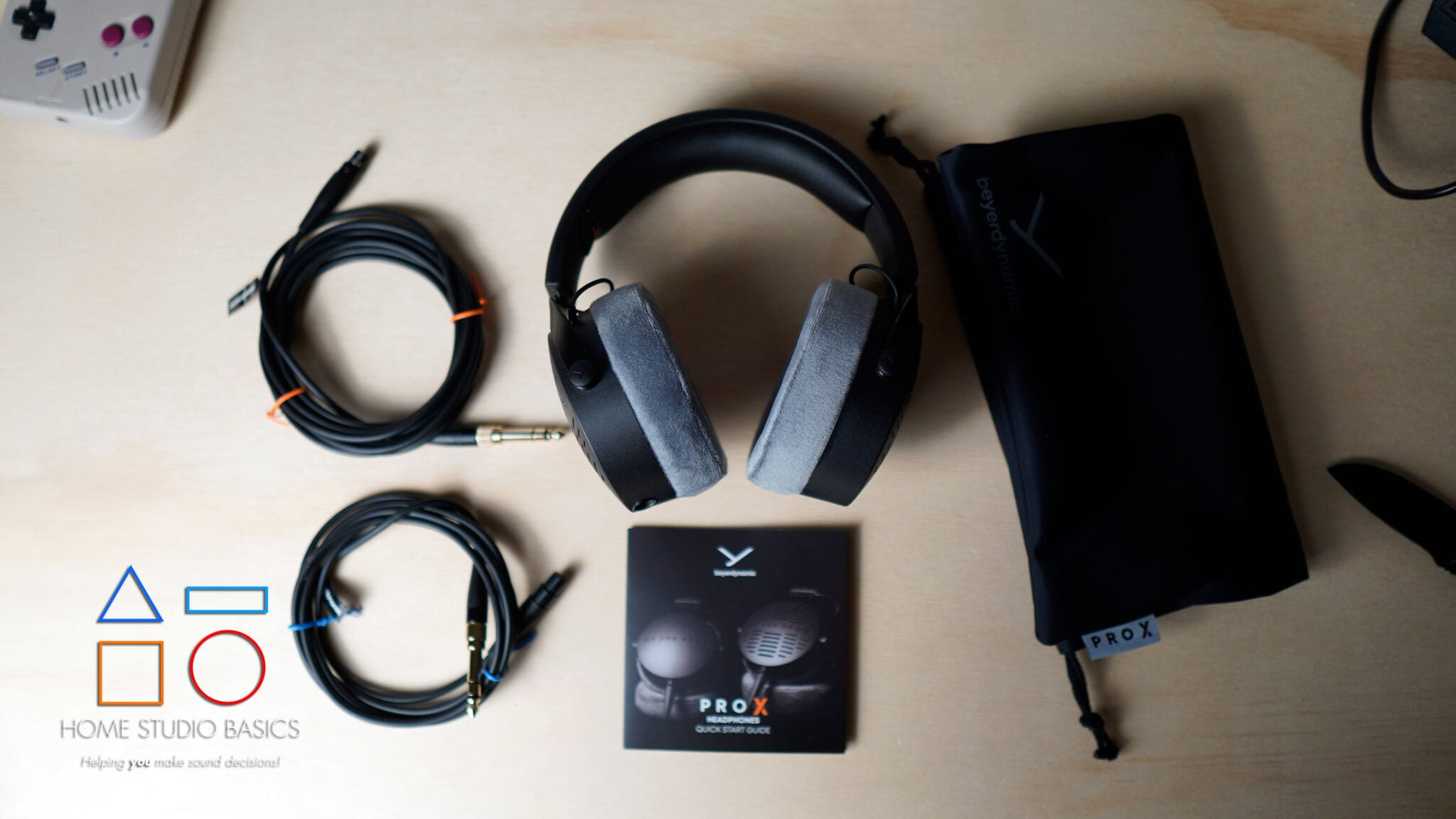
Treble is detailed, crisp, and articulate, but it doesn’t constantly draw attention to itself.
There’s enough energy to reveal subtle recording imperfections, vocal sibilance, and other high-frequency information without making everything sound artificially sharpened.
And that’s an important distinction.
For mixing and EQ, I want to hear what’s actually happening in a recording rather than have certain frequencies exaggerated to the point where I’m compensating for the headphone itself.
The 900 does an excellent job striking that balance.
It’s revealing enough for critical listening but remains smooth and controlled during longer sessions, making it particularly useful when working with vocals, cymbals, and other treble-heavy material.
Finally, there’s the DT990 Pro X.
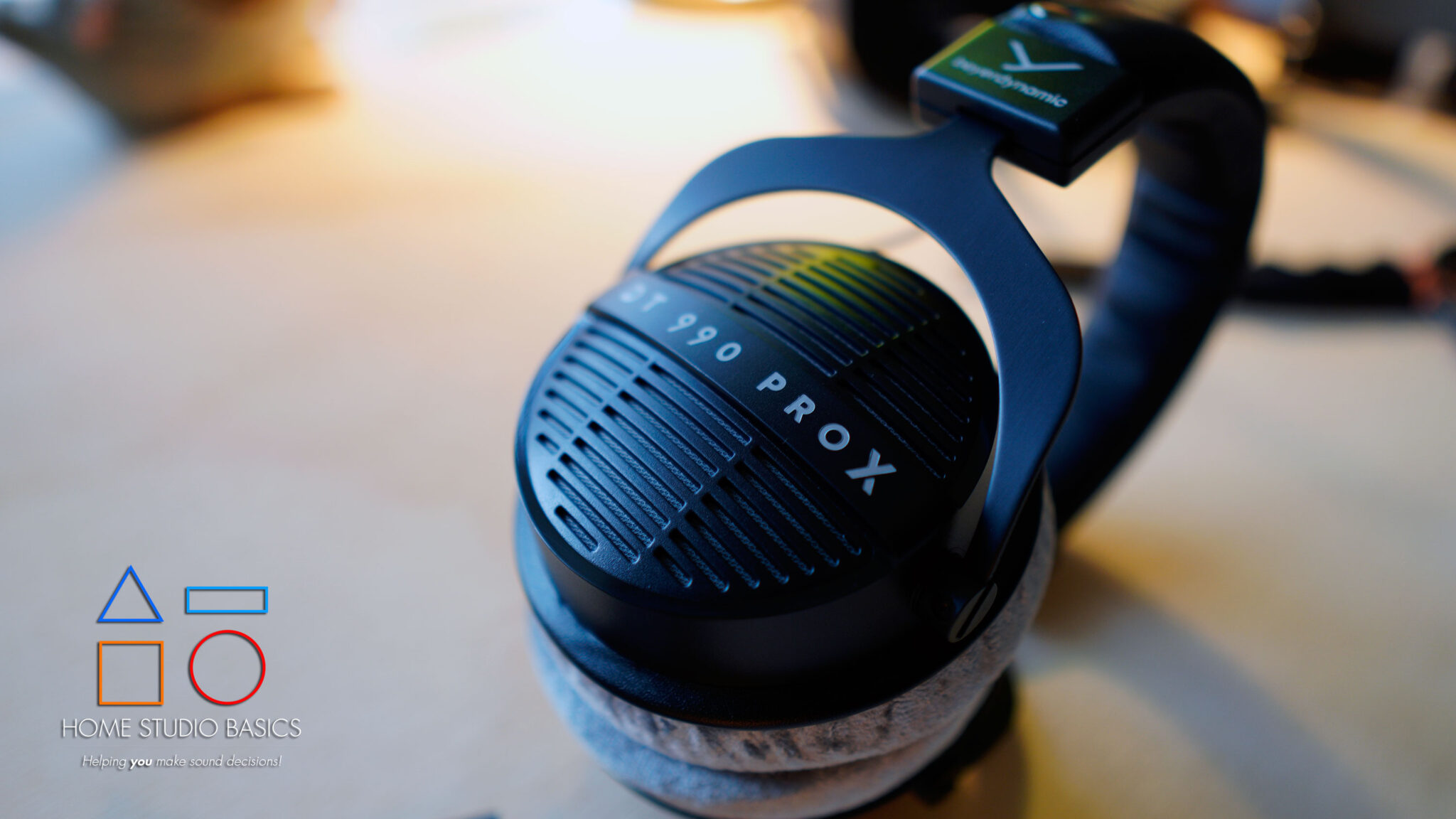
Of the three, the 990 provides the airiest overall presentation, with a sense of openness that complements its wider soundstage.
High-frequency details have plenty of room to breathe, and subtle spatial cues, reverberation, and instrument decay are especially easy to appreciate.
Compared to the original DT990, the Pro X version also sounds considerably more controlled, avoiding much of the excessive treble emphasis that made its predecessor somewhat polarizing.
The result is a headphone that retains Beyer’s characteristic clarity and analytical presentation without becoming unnecessarily aggressive.
For critical listening, this can be particularly appealing, especially when evaluating the upper frequencies and the spatial characteristics of a recording.
So, which one wins?
This one’s a little closer.
For overall balance and long-term listening comfort, I’d give the edge to the DT900 Pro X. Its treble is detailed and revealing without drawing unnecessary attention to itself.
The 990 follows closely behind, particularly if you prefer a more open, airy presentation, while the 770 remains excellent in its own right but has a slightly more energetic character.
Ultimately, all three are capable of revealing the smaller details in a recording, but the 900 strikes the best balance between clarity, control, and naturalness.
Soundstage & Imaging
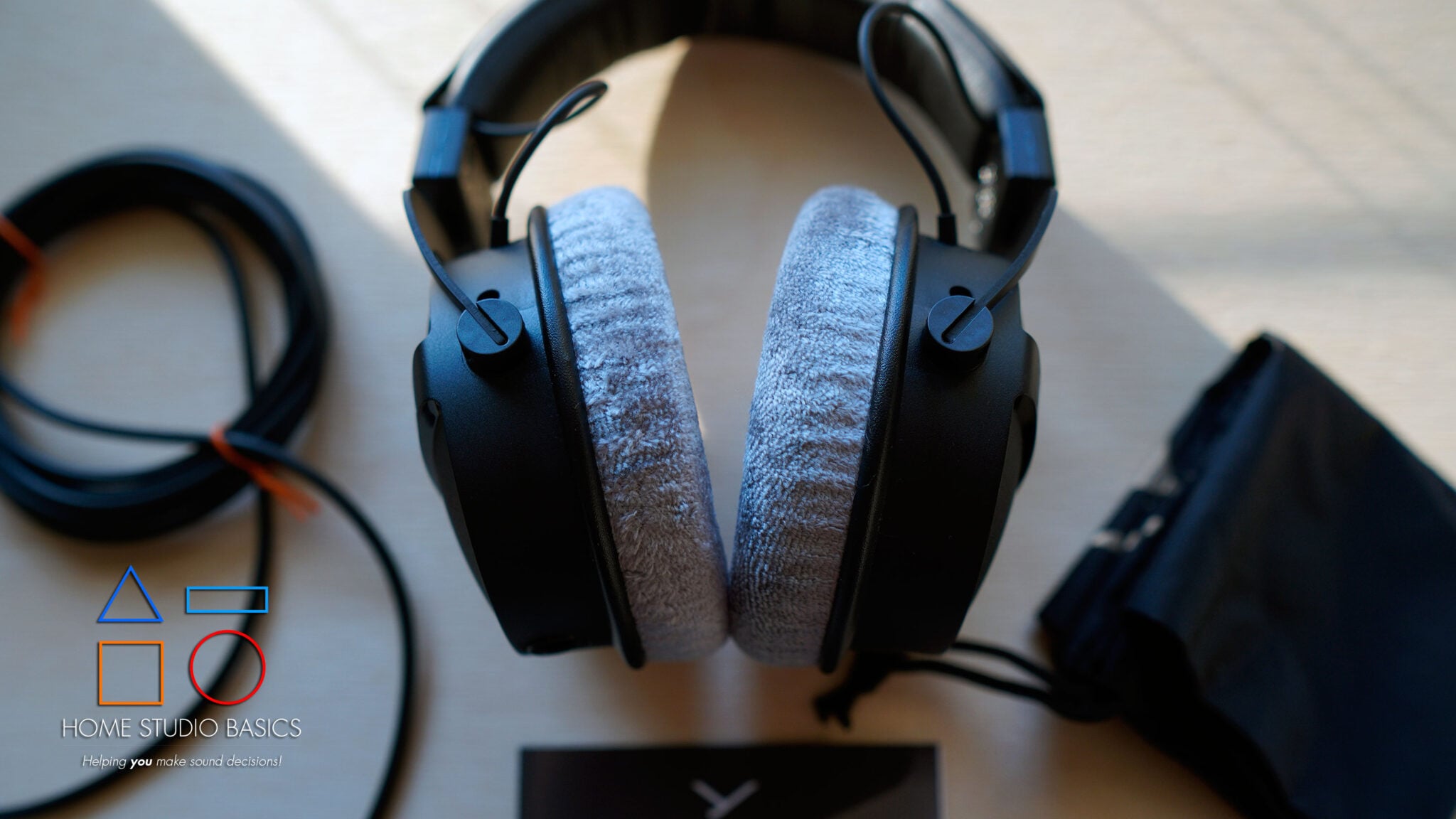
Soundstage and imaging are two areas where the differences between these headphones become particularly noticeable, and depending on what you’re using them for, they could ultimately influence your decision.
Starting with the DT770 Pro X, you’re getting a surprisingly spacious presentation for a closed-back headphone.
Instruments are well-separated, individual elements are easy to locate, and there’s a good sense of depth that prevents everything from sounding congested or cramped.
That said, the 770 still has some limitations inherent to its closed-back design.
While the soundstage is impressive given the circumstances, it doesn’t quite provide the same sense of openness and air as its open-back counterparts.
The DT900 Pro X, meanwhile, takes a somewhat different approach.
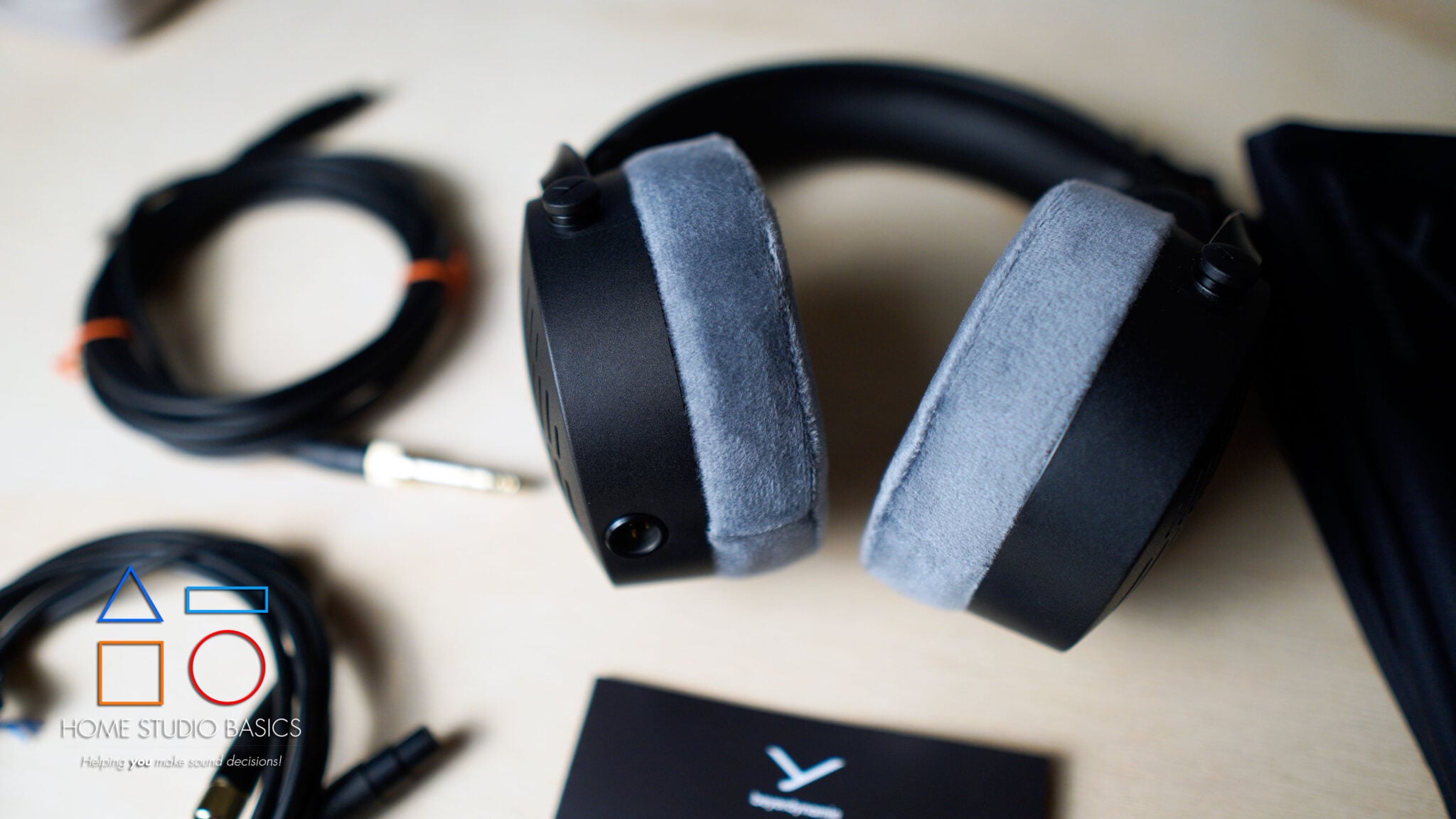
Despite being open-back, its soundstage is relatively intimate, with vocals and instruments positioned closer to the listener.
But here’s the important distinction.
A smaller soundstage doesn’t necessarily mean worse imaging.
In fact, the 900 does an excellent job placing individual elements within the stereo field, allowing you to identify precisely where sounds are coming from without everything blending together.
Separation is excellent, layering is convincing, and there’s a sense of cohesion that makes the presentation feel natural rather than artificially stretched.
For mixing, this can be particularly useful when evaluating panning decisions, instrument placement, and the relationship between different elements in a recording.
Finally, there’s the DT990 Pro X, and this is where things get interesting.
Of the three, the 990 provides the widest, most expansive soundstage, giving recordings a greater sense of space and dimensionality.
Instruments seem to extend farther beyond your head, and subtle spatial cues become easier to appreciate, particularly with recordings that contain plenty of natural ambience or carefully placed stereo information.
Reverb tails, background details, and the positioning of individual instruments are reproduced with excellent clarity, making the 990 particularly enjoyable for critical listening, gaming, and evaluating the spatial characteristics of a mix.
And importantly, this additional width doesn’t come at the expense of imaging precision.
Individual sounds remain easy to locate, and the overall presentation feels organized rather than diffuse or disconnected.
The trade-off, of course, is that the 990 doesn’t provide quite the same intimacy as the 900.
Where the 900 brings you closer to the performance, the 990 creates a little more distance, allowing you to appreciate the recording from a wider perspective.
So, which one wins?
For soundstage, the DT990 Pro X gets my vote. Its wider, airier presentation makes it the most spacious of the three.
Imaging is a closer contest, as both the 900 and 990 provide excellent positional accuracy and separation.
Still, if your priority is evaluating stereo width, spatial cues, and the overall sense of space within a recording, the 990 has the advantage.
The 900 remains excellent for precise instrument placement, while the 770 performs admirably considering its closed-back design.
Comfort
Fortunately, comfort is one area where Beyerdynamic has remained remarkably consistent across all three models.
The DT770, DT900, and DT990 Pro X share a very similar design, complete with plush velour ear pads, generously padded headbands, and sturdy metal construction.
And if you’ve spent any time with Beyerdynamic headphones over the years, you probably already know what to expect.
These things are incredibly comfortable.
The ear cups provide plenty of room for your ears, the velour pads feel soft against the skin, and the overall weight distribution is excellent.
Even during longer listening sessions, I rarely find myself needing to take any of them off because of discomfort.
That said, there are a couple of minor differences worth mentioning.
The DT770 Pro X, being closed-back, naturally provides more isolation from your surroundings, but it can also feel a little warmer during extended sessions.
The DT900 and DT990 Pro X, meanwhile, allow more air to circulate through their open-back designs, making them a little more pleasant when listening for hours at a time.
Of course, the trade-off is that they provide virtually no isolation, and anyone sitting nearby will likely hear what you’re listening to.
Clamping force is also fairly similar across the board, providing a secure fit without feeling unnecessarily restrictive.
As with any headphones, comfort will ultimately depend on your head shape and personal preferences, but I’ve had very few complaints with any of these.
So, which one wins?
I’m calling this one a three-way tie.
All three are exceptionally comfortable, and I wouldn’t hesitate to recommend any of them for extended studio sessions.
If isolation is important, the 770 makes more sense. Otherwise, the 900 and 990 have a slight advantage in breathability.
Build & Features
Build quality is another area where the similarities outweigh the differences.
All three headphones utilize Beyerdynamic’s STELLAR.45 driver technology, feature replaceable components, and are designed with long-term durability in mind.
The construction feels reassuringly solid, with sturdy metal headband assemblies, robust ear cups, and the kind of attention to detail I’ve come to expect from Beyerdynamic.
There’s very little unnecessary decoration here.
These are practical, purpose-built studio headphones, and that’s precisely what I appreciate about them.
Another welcome feature is the detachable cable system, which makes replacement considerably easier than on some of Beyer’s older models.
The ear pads and headband padding are also replaceable, so you don’t necessarily have to purchase an entirely new headphone when something eventually wears out.
And because all three are relatively easy to drive, you won’t need an expensive dedicated amplifier to get satisfactory volume from them.
A basic audio interface, desktop DAC/Amp, or even many portable devices should be more than sufficient.
The biggest functional difference, of course, comes down to the enclosure design.
The DT770 Pro X is closed-back, making it better suited for recording, tracking, and environments where isolation matters.
The DT900 and DT990 Pro X are open-back, making them more appropriate for mixing, critical listening, and situations where sound leakage isn’t a concern.
So, which one wins?
Another three-way tie.
Build quality, comfort, and overall practicality are excellent across the board.
The decision really comes down to whether you need the isolation of the 770 or the openness of the 900 and 990.
Which One Should You Buy?
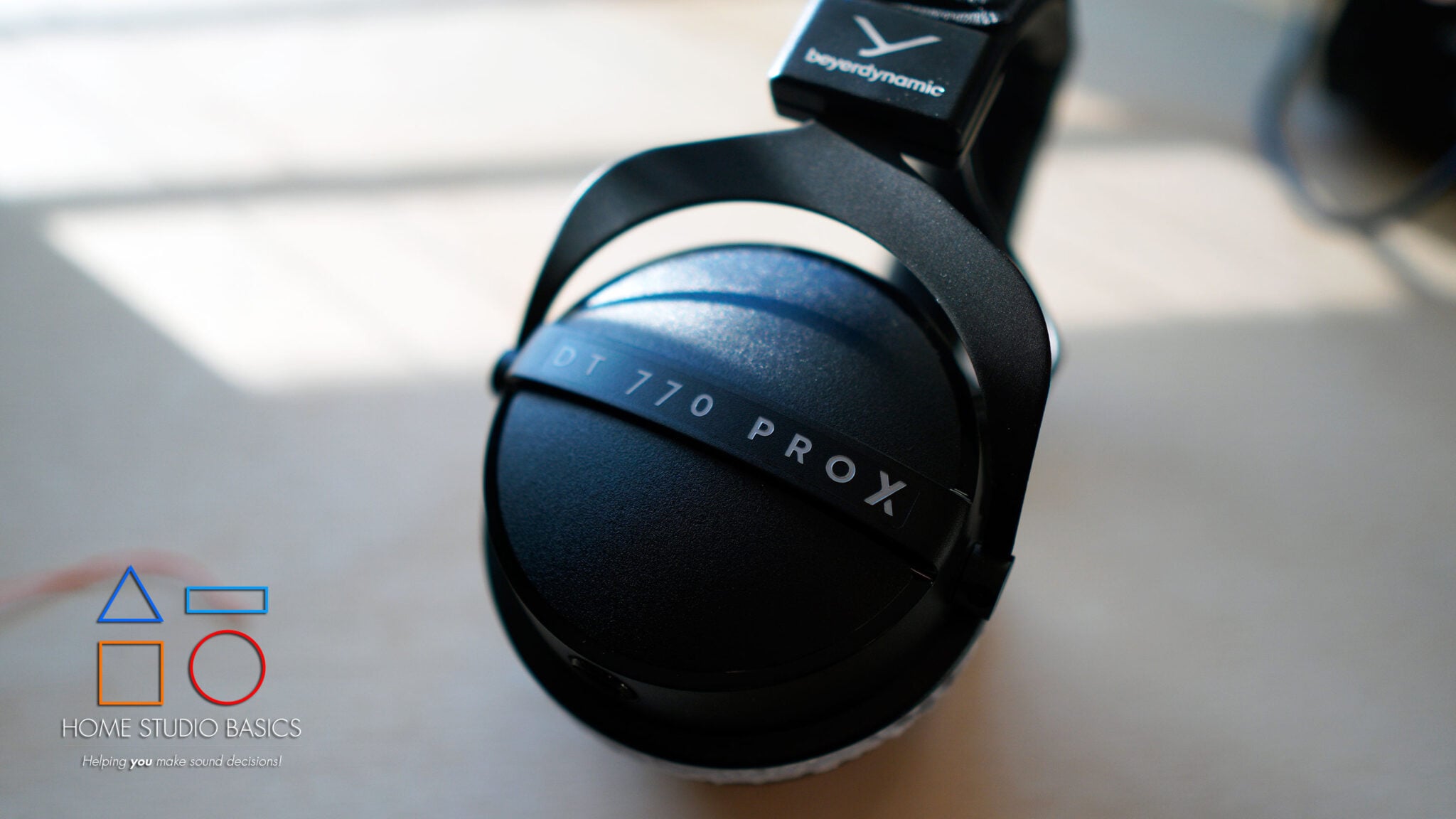
Now that we’ve covered the individual differences, let’s talk about where each headphone makes the most sense.
DT770 Pro X — Best for Recording, Tracking, and Bass-Heavy Music
If you’re recording vocals, tracking instruments, or working in an environment where outside noise is a concern, the DT770 Pro X is the obvious choice.
Its closed-back design provides isolation that the other two simply cannot match, while its elevated bass response makes it particularly enjoyable for Hip-Hop, Electronic, and other genres that benefit from additional low-end energy.
Resolution is excellent, the bass remains surprisingly controlled, and there’s plenty of detail throughout the frequency spectrum.
My biggest reservation is still the somewhat distant midrange presentation, which can make certain recordings feel less engaging than I’d prefer.
But if isolation and bass impact are your priorities, the 770 makes an awful lot of sense.

- 48-ohm drive: plugs straight into any source – laptop, interface, phone, or console – no headphone amp needed.
- Track and mix with confidence: closed-back isolation keeps headphone bleed out of your mic while you record.
- STELLAR.45 driver: beyerdynamic’s flagship transducer for precise, high-resolution studio sound at any level.
- Detachable mini-XLR cable: swap or replace cables in seconds; replaceable velour ear pads for years of daily use.
- In the box: DT 770 Pro X, detachable 3m cable, and bag. Handmade in Germany – plug straight into any source and record.
DT900 Pro X — Best Overall and for Mixing
The DT900 Pro X is the one I’d choose if I could only keep one of the three.
Its relatively linear bass response, natural midrange, controlled treble, and excellent resolution make it an incredibly versatile headphone for both critical listening and everyday enjoyment.
I particularly appreciate how predictable the low end is when mixing and EQing.
Rather than having to mentally compensate for exaggerated bass frequencies, I can focus on what’s actually happening in the recording.
Vocals and instruments also sound closer and more immediate, resulting in a presentation that I generally find more engaging than either the 770 or 990.
Sure, the soundstage isn’t quite as expansive as the 990’s, but imaging and separation remain excellent.
For someone who wants one headphone to handle mixing, music production, and casual listening, the 900 is an incredibly sensible choice.

- 48-ohm drive: full volume from any source – laptop, interface, or phone – no headphone amp needed.
- Built for the final mix: open-back reference sound for mixing, mastering, and critical listening.
- STELLAR.45 driver: flagship transducer with high resolution and low distortion at any level.
- Open-back soundstage: wide, natural imaging that shows you exactly where everything sits.
- In the box: DT 900 Pro X, detachable mini-XLR cable, and 1/4-inch adapter. Made in Germany – plug straight into any source.
DT990 Pro X — Best for Soundstage, Imaging, and Spaciousness
Finally, there’s the DT990 Pro X.
If you value an open, airy presentation with excellent spatial information, this is where I’d look.
The wider soundstage gives recordings a greater sense of space, making it particularly enjoyable for evaluating stereo imaging, reverberation, and instrument placement.
It’s also a compelling option for gaming, where positional cues and environmental awareness can make a significant difference.
And while I slightly prefer the 900’s tonal balance and more intimate midrange, the 990 remains an excellent headphone for mixing and critical listening.
Its more restrained bass response, excellent separation, and controlled treble make it a substantial improvement over some of the more exaggerated characteristics of the original DT990.
If spaciousness is your priority, the 990 is the one to get.

- 48-ohm drive: full volume from any source – laptop, interface, phone, or console – no headphone amp needed.
- Mix with confidence: open-back reference sound reveals the placement, depth, and detail your mix depends on.
- STELLAR.45 driver: flagship transducer for precise, high-resolution monitoring at any listening level.
- Open-back soundstage: wide, natural imaging for mixing, editing, and critical listening.
- In the box: DT 990 Pro X, detachable 3m mini-XLR cable, and 1/4-inch adapter. Made in Germany – plug straight into any source.
Final Verdict
So, after spending considerable time with all three, which one comes out on top?
For me, it’s the DT900 Pro X.
And it’s not necessarily because it dominates every individual category.
The 770 has more bass impact and provides the isolation necessary for recording. The 990 offers a wider, airier soundstage that’s particularly useful for evaluating spatial information.
But the 900 strikes the best overall balance.
Its bass is controlled and predictable, the midrange is natural and engaging, treble is detailed without becoming overly aggressive, and resolution is excellent across the board.
More importantly, it’s a headphone I can trust when working on my own music without feeling as though I’m constantly compensating for its sound signature.
And that’s ultimately what matters most to me.
The 770 and 990 are both excellent in their own right, and depending on your needs, either could be the better purchase.
But if you’re looking for the most versatile option of the three, one that handles mixing, critical listening, and everyday music enjoyment with equal confidence, the DT900 Pro X gets my vote.
Sound Decision? YES. All three are good options for specific use cases.
Overall Winner: DT900 Pro X.
Well, that’s about it for today my friend! I hope you’ve enjoyed this Beyerdynamic DT770 Pro X vs. 900 Pro X vs. 990 Pro X and came away with some valuable insight.
Questions? Comments? Requests? Did I miss the mark on something? Please let me know down below or Contact me!!
If you love what I do here and want to support the blog and channel in a more personal way, check me out on Patreon and discover all the value I have to offer you.
Which of these headphones sounds like YOU? I would love to hear your thoughts. Until next time…
All the best and God bless,

-Stu