
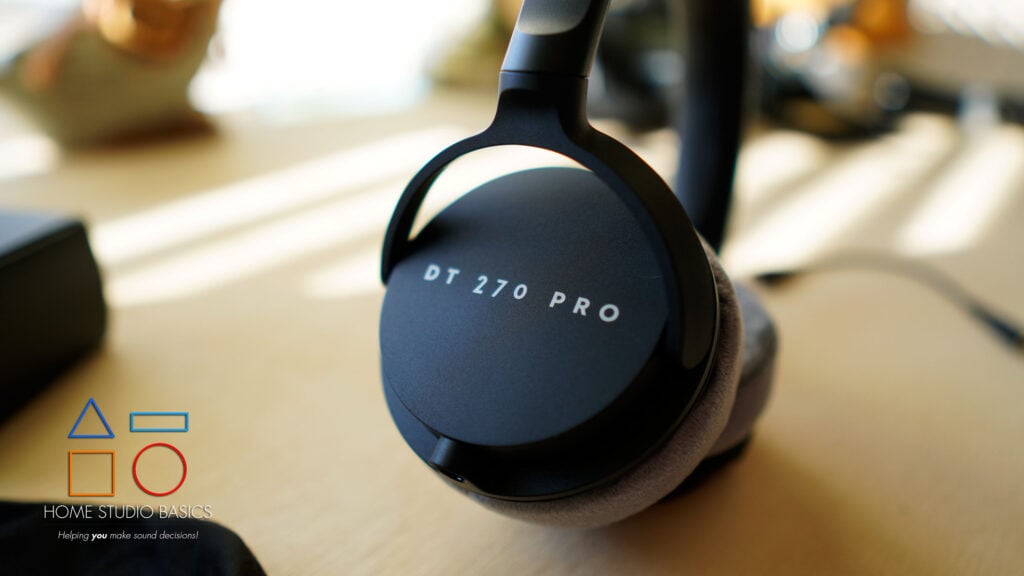
Beyerdynamic DT270 Pro Review: Viable Option For Studio Use?
Greetings mate and Welcome aboard!
Stuart Charles here, HomeStudioBasics.com helping YOU make sound decisions, so…
Today’s Beyerdynamic DT270 review will cover build quality, comfort, sound, practical applications like mixing/EQ, some comparisons to other closed-back headphones I have here, and more.
By the time you’re finished reading, you’ll know if it’s worth a purchase.
If it isn’t, I’ll point you in the direction of something that is!
Build
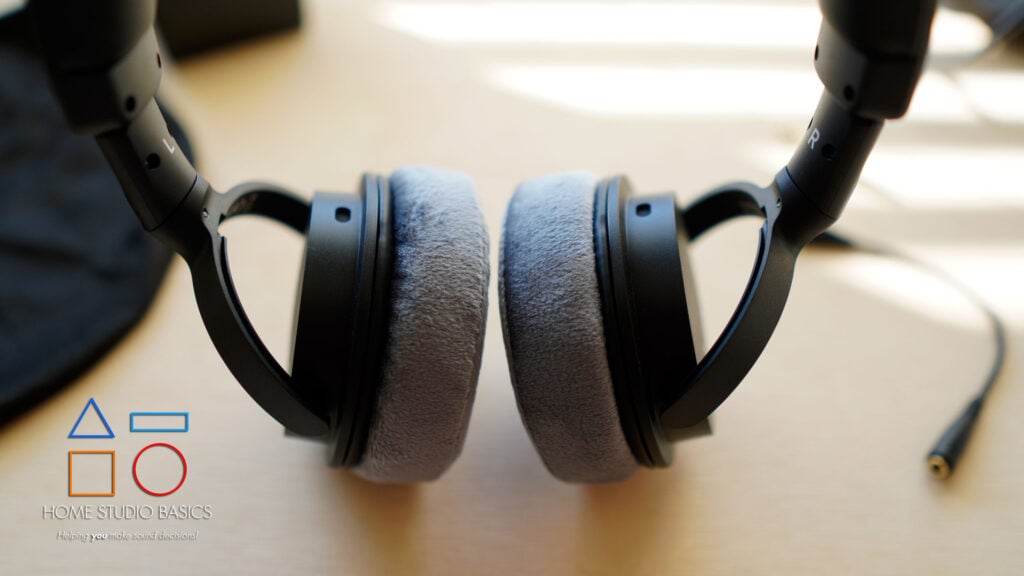
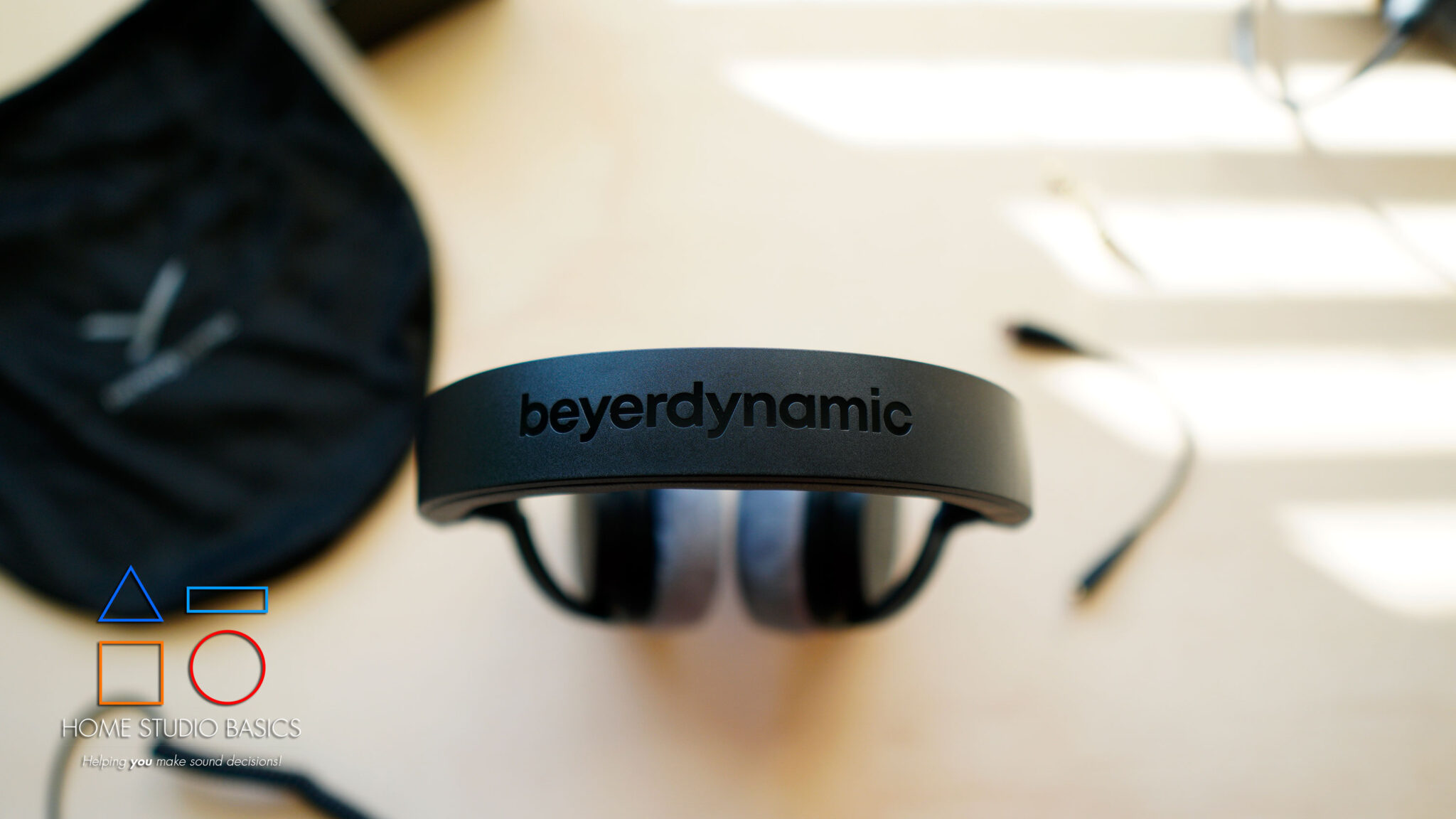
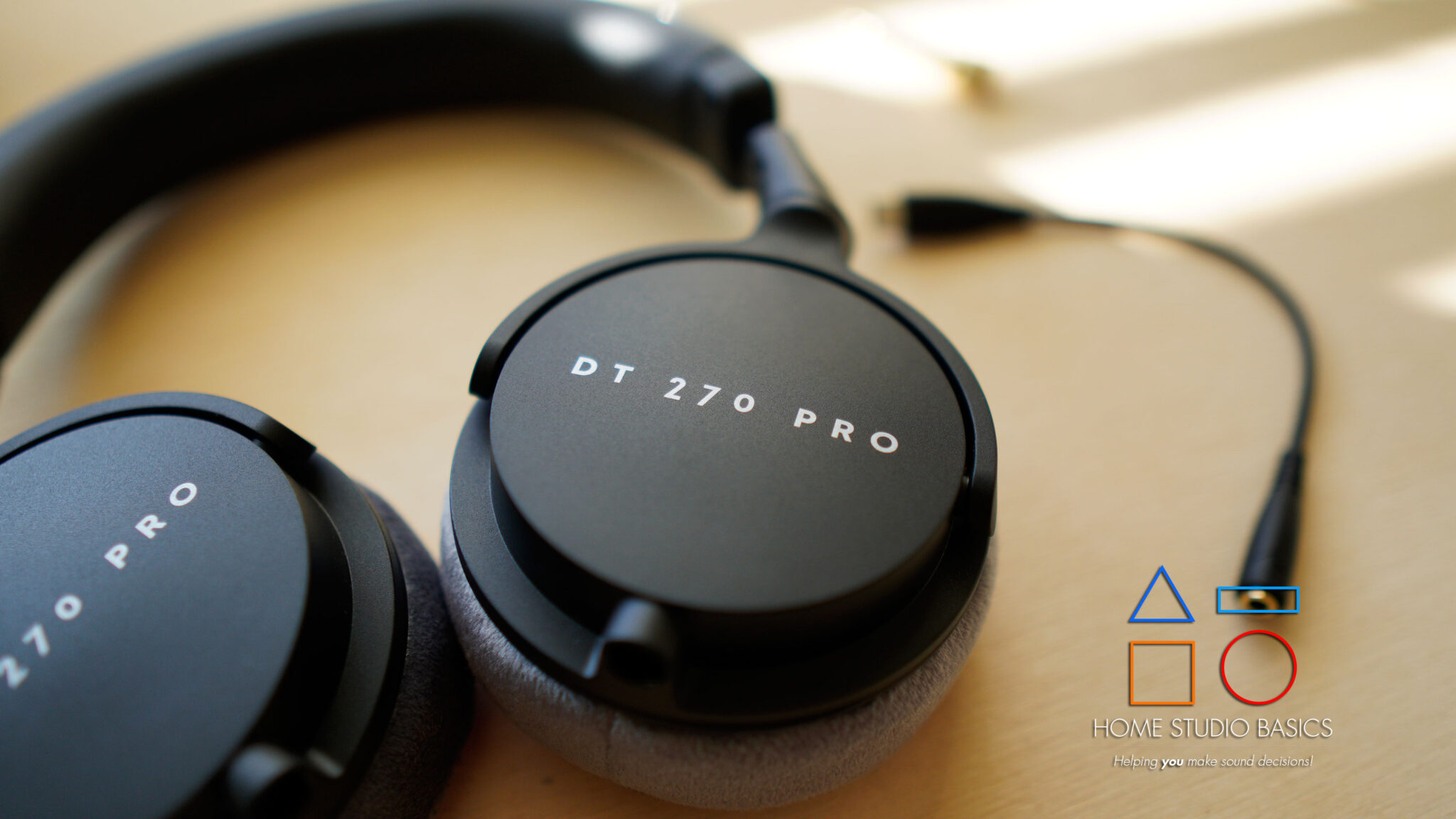
To start, the DT270 is nimble and lightweight, but it by no means feels cheap.
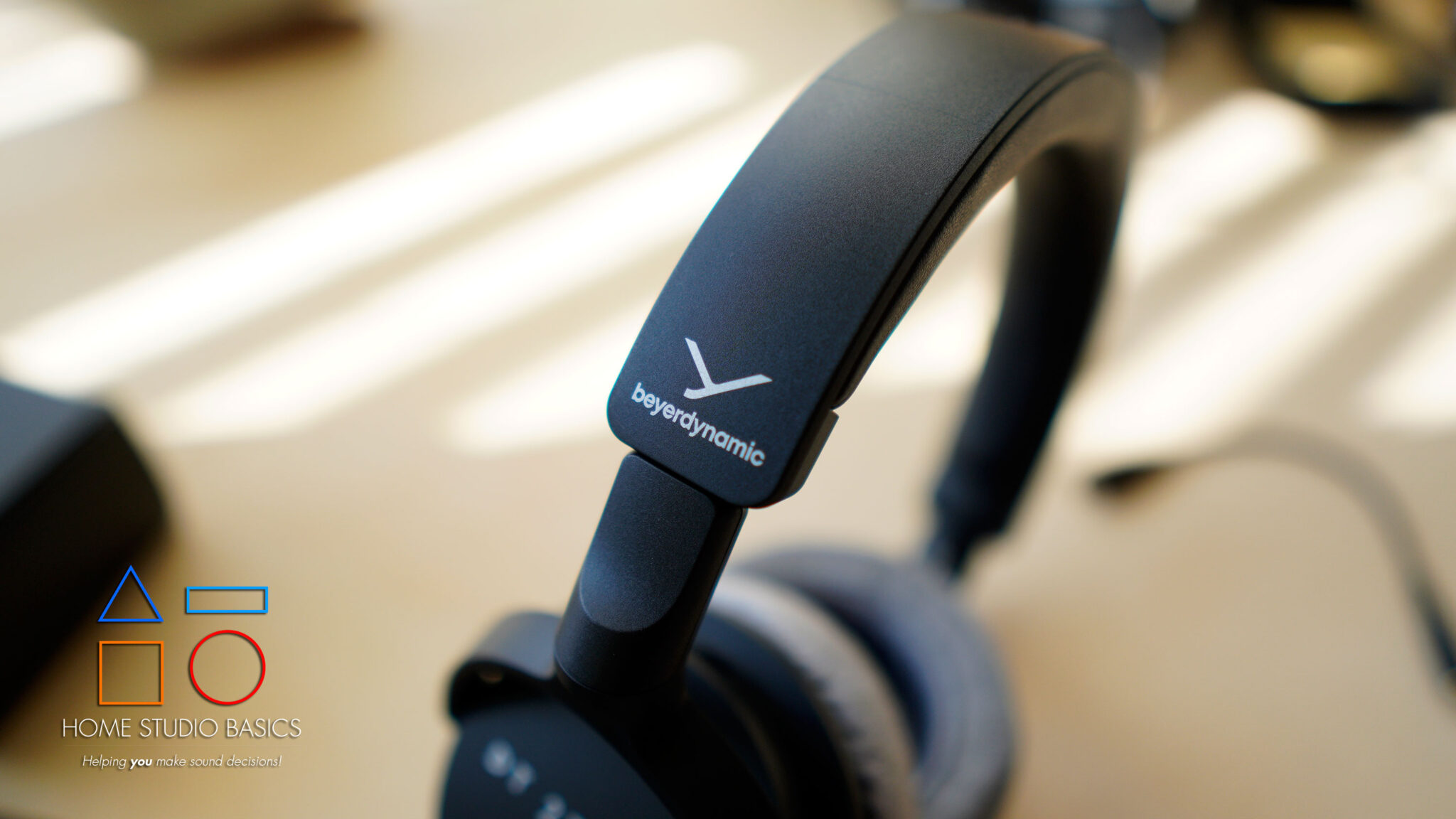
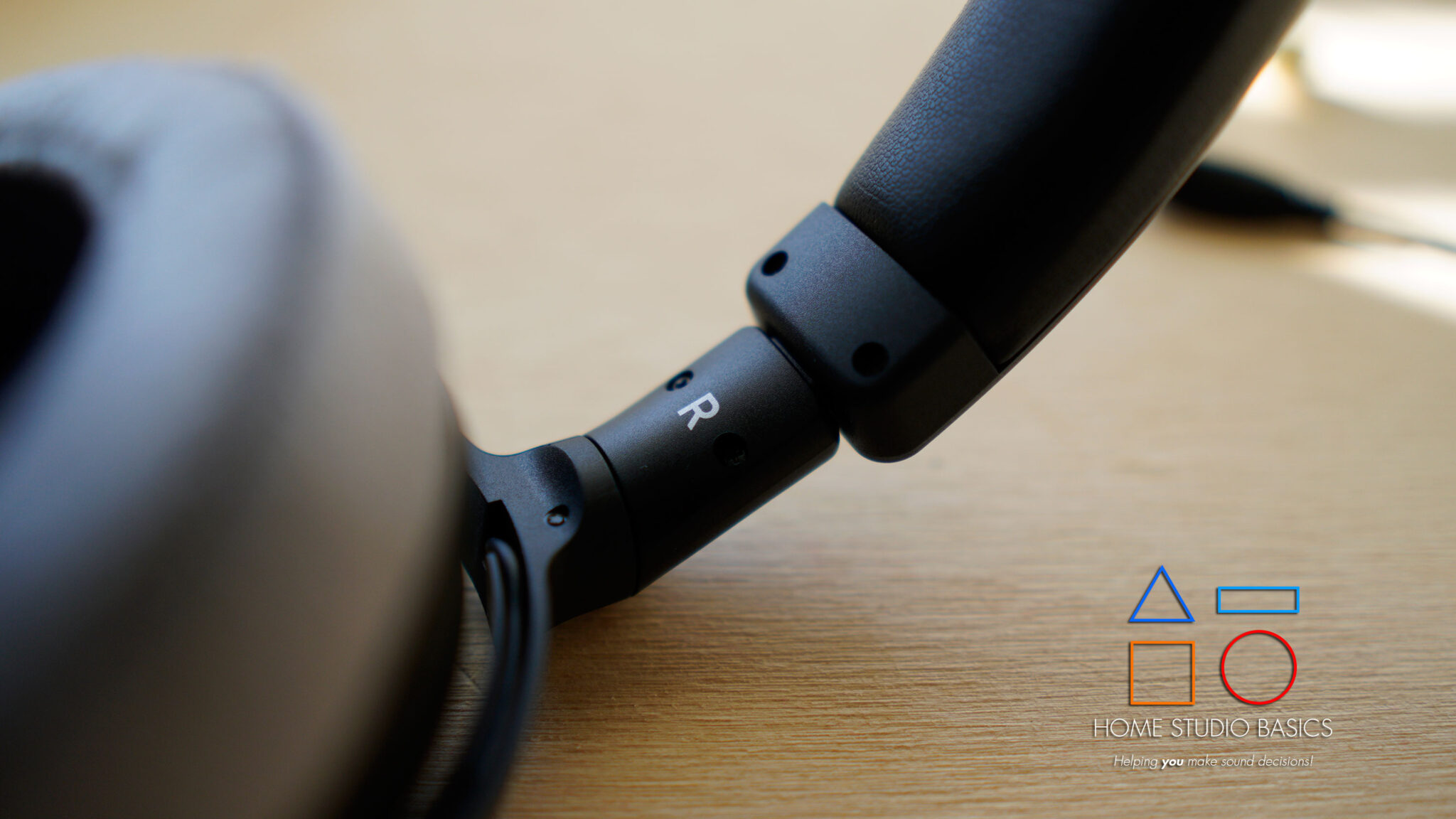
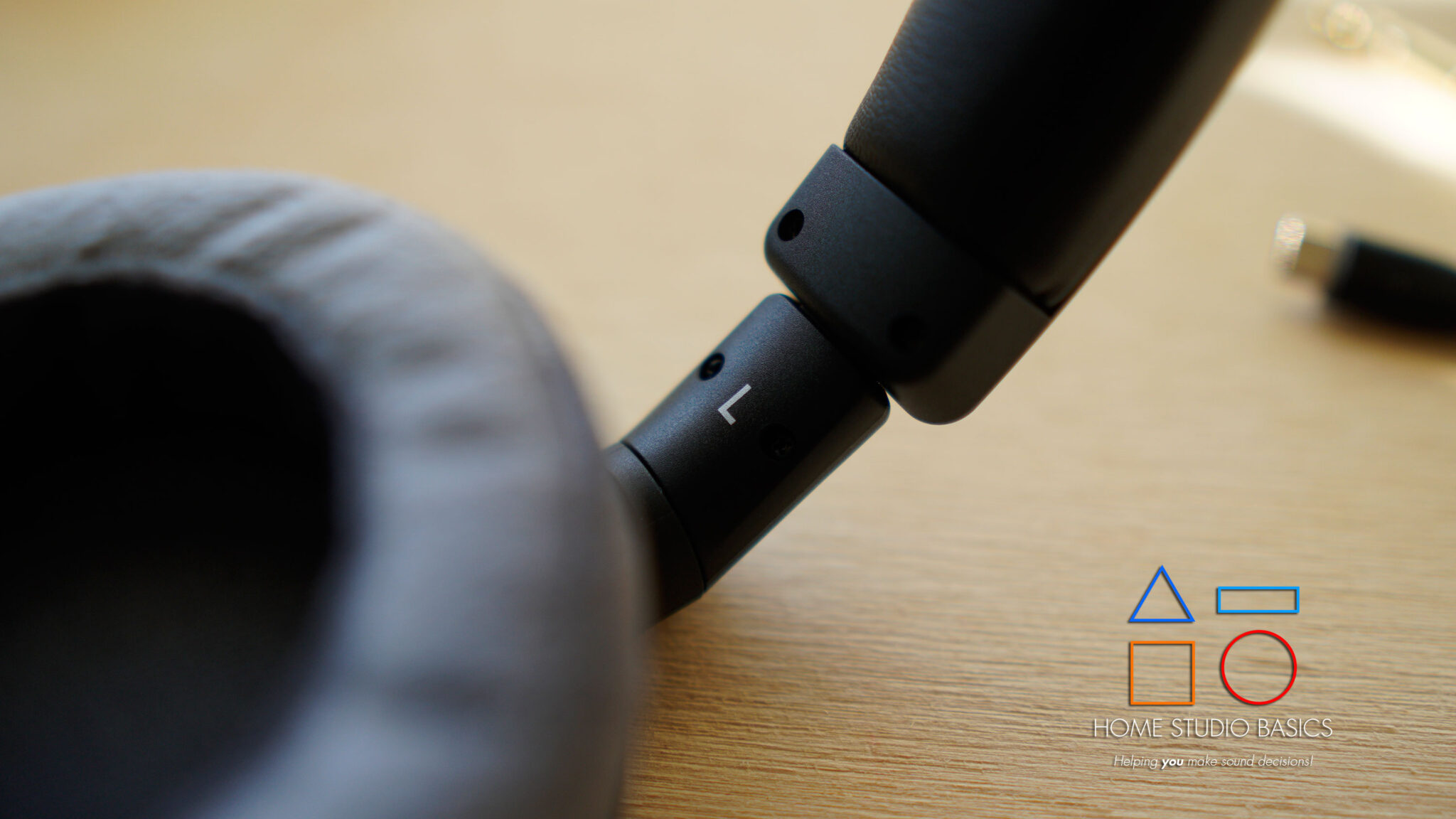
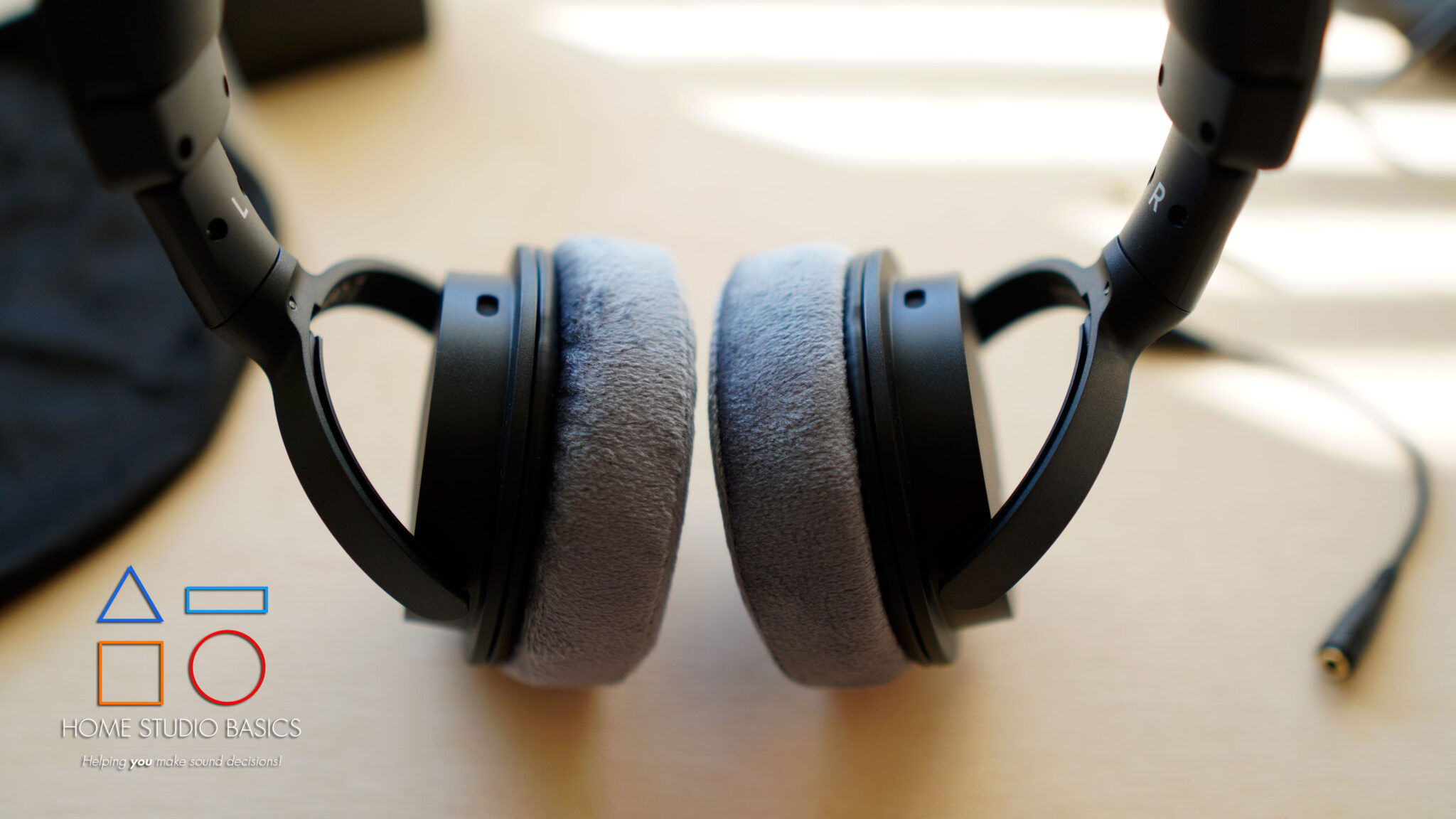
Built mostly from plastic, they have some metal in the headband adjustments, which is, by this point, almost a given in today’s market. Said adjustments aren’t numbered or anything, but you can feel each one as it moves up and down.
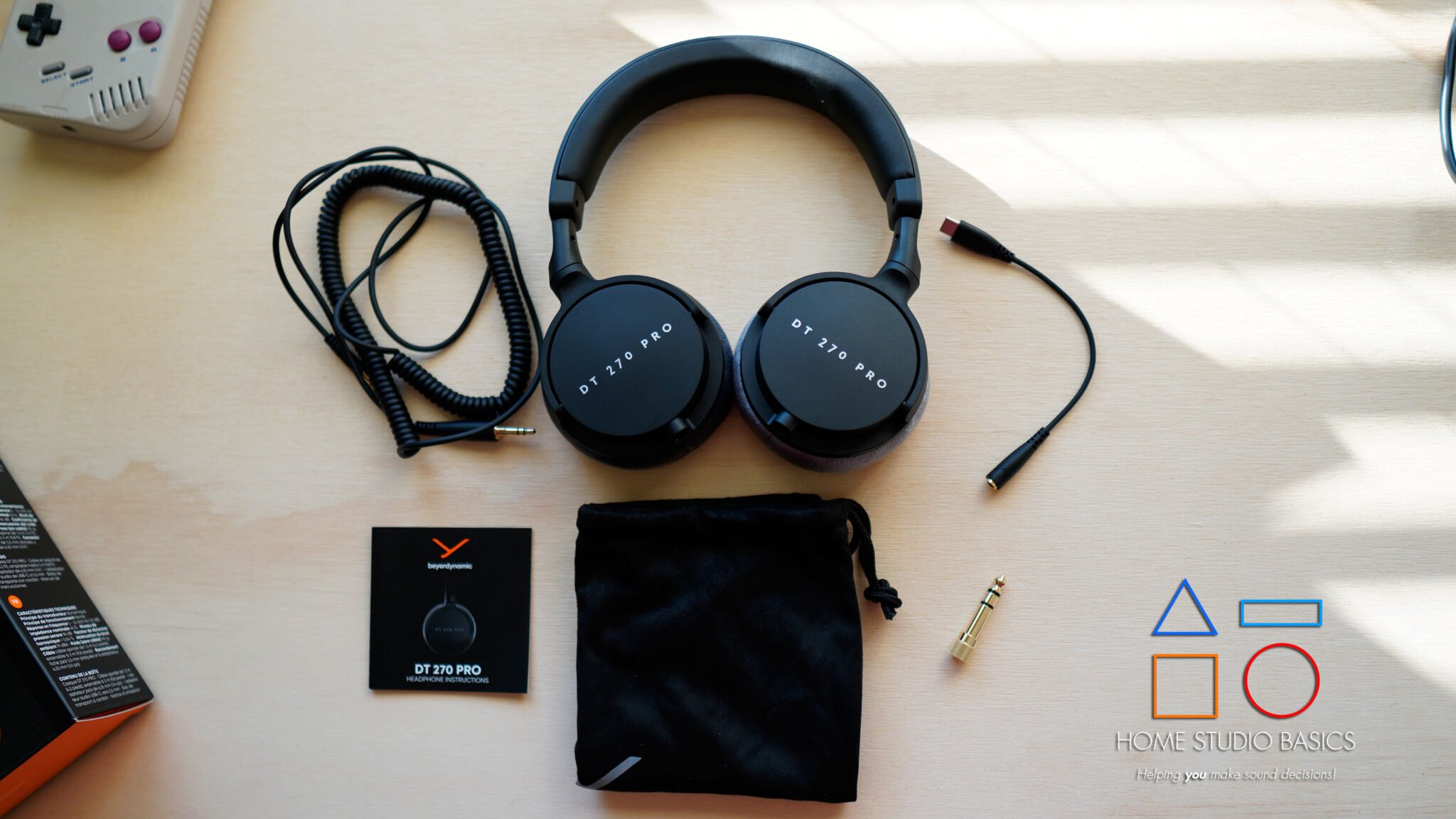
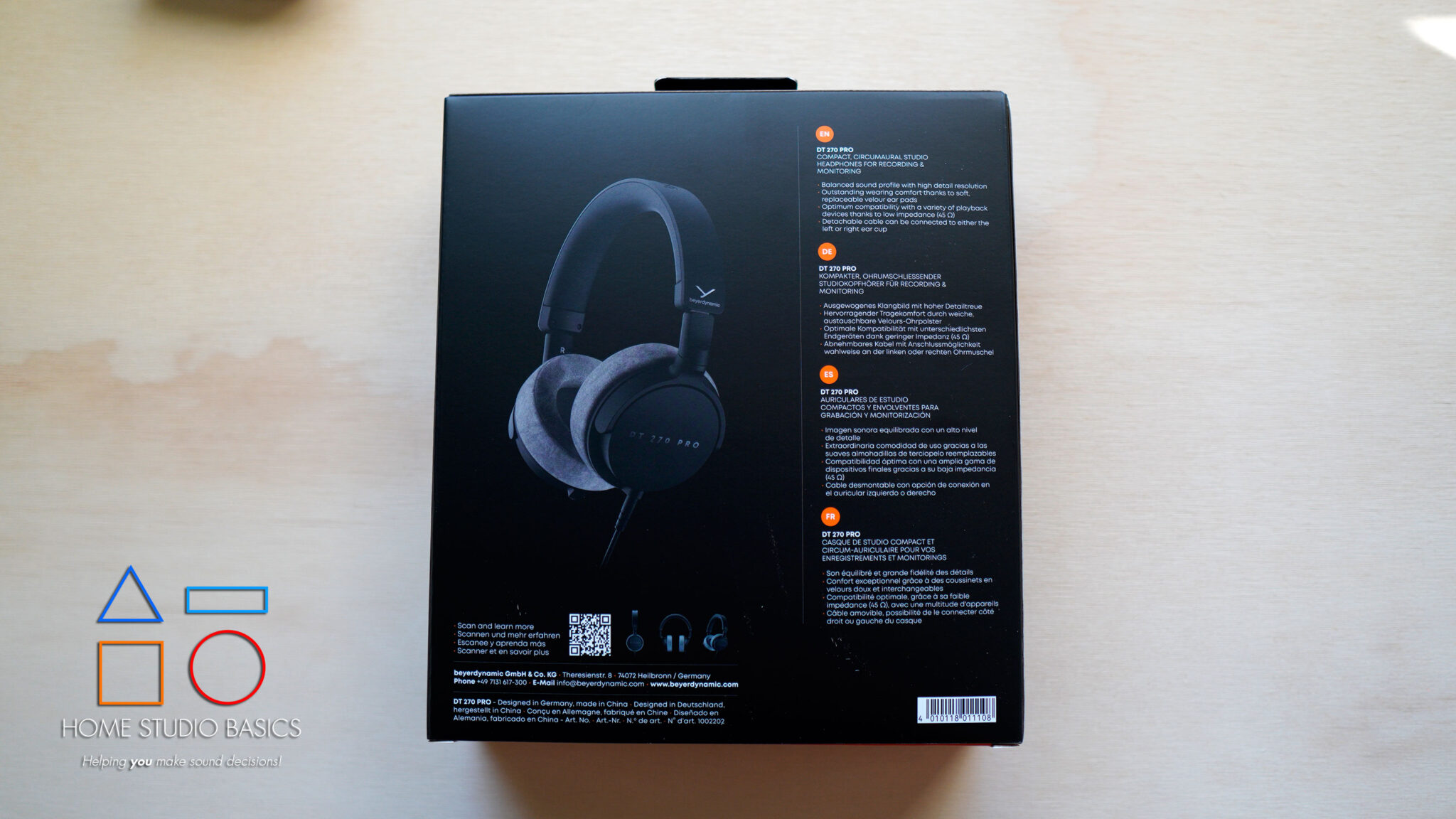
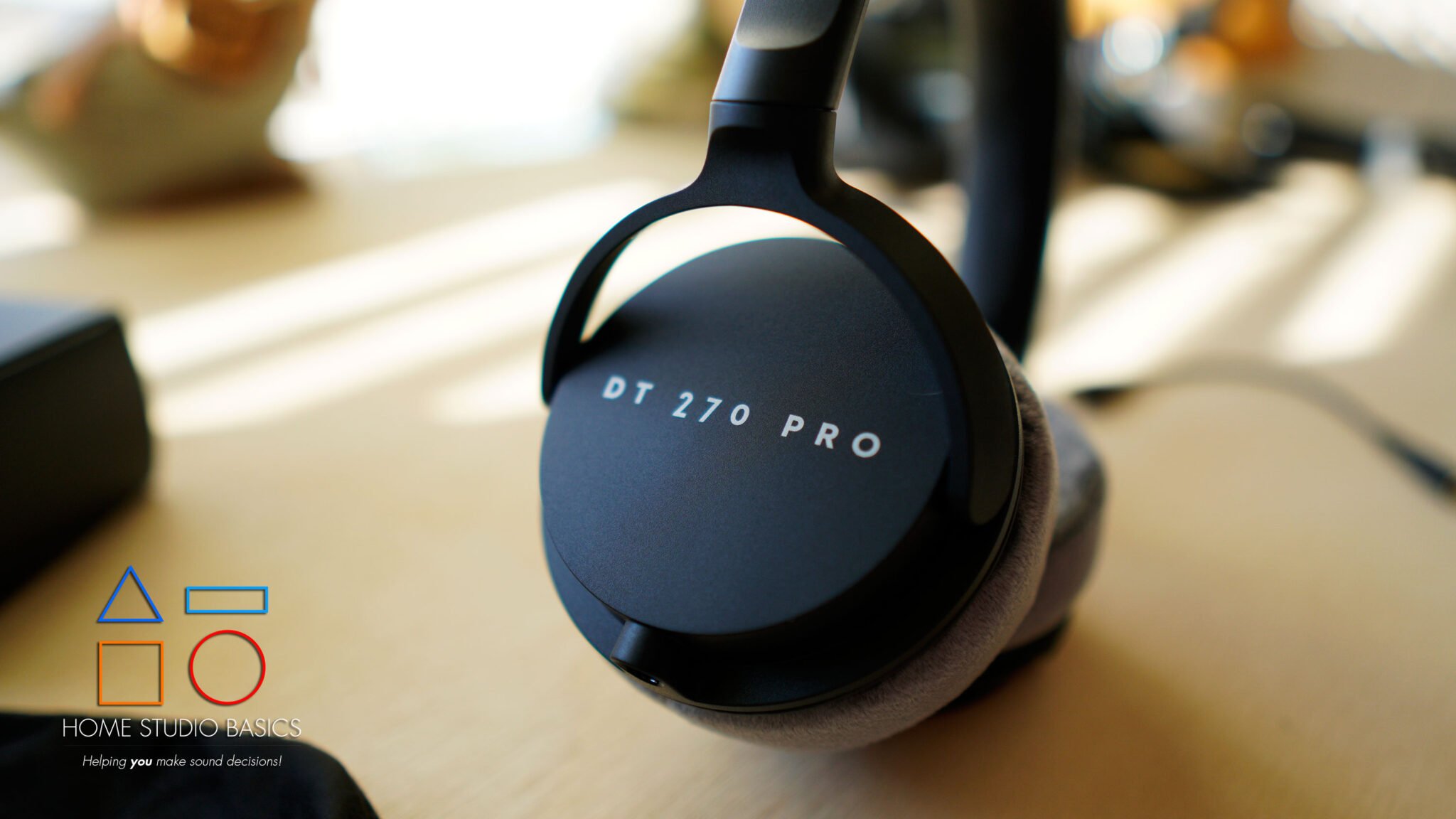
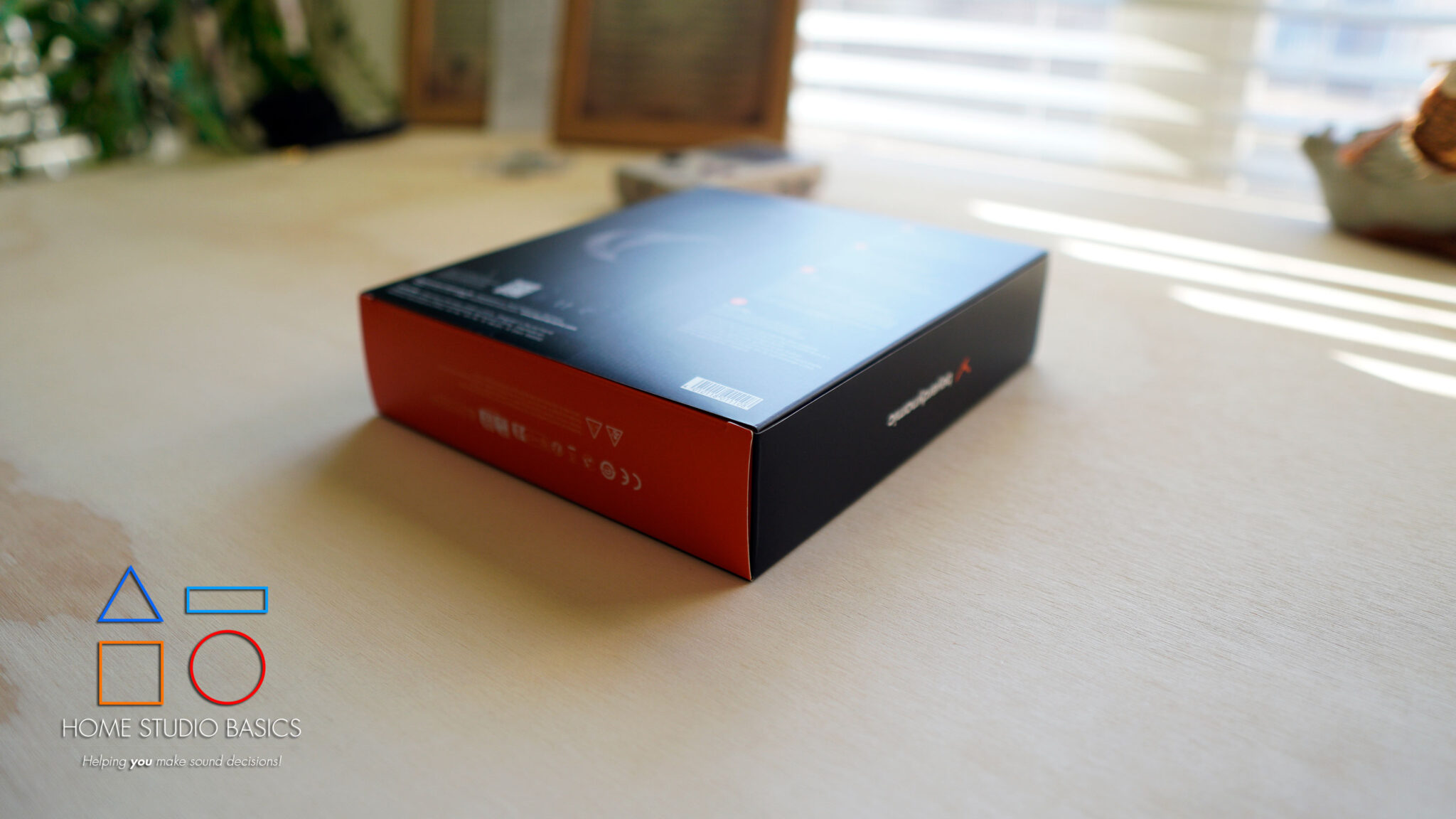
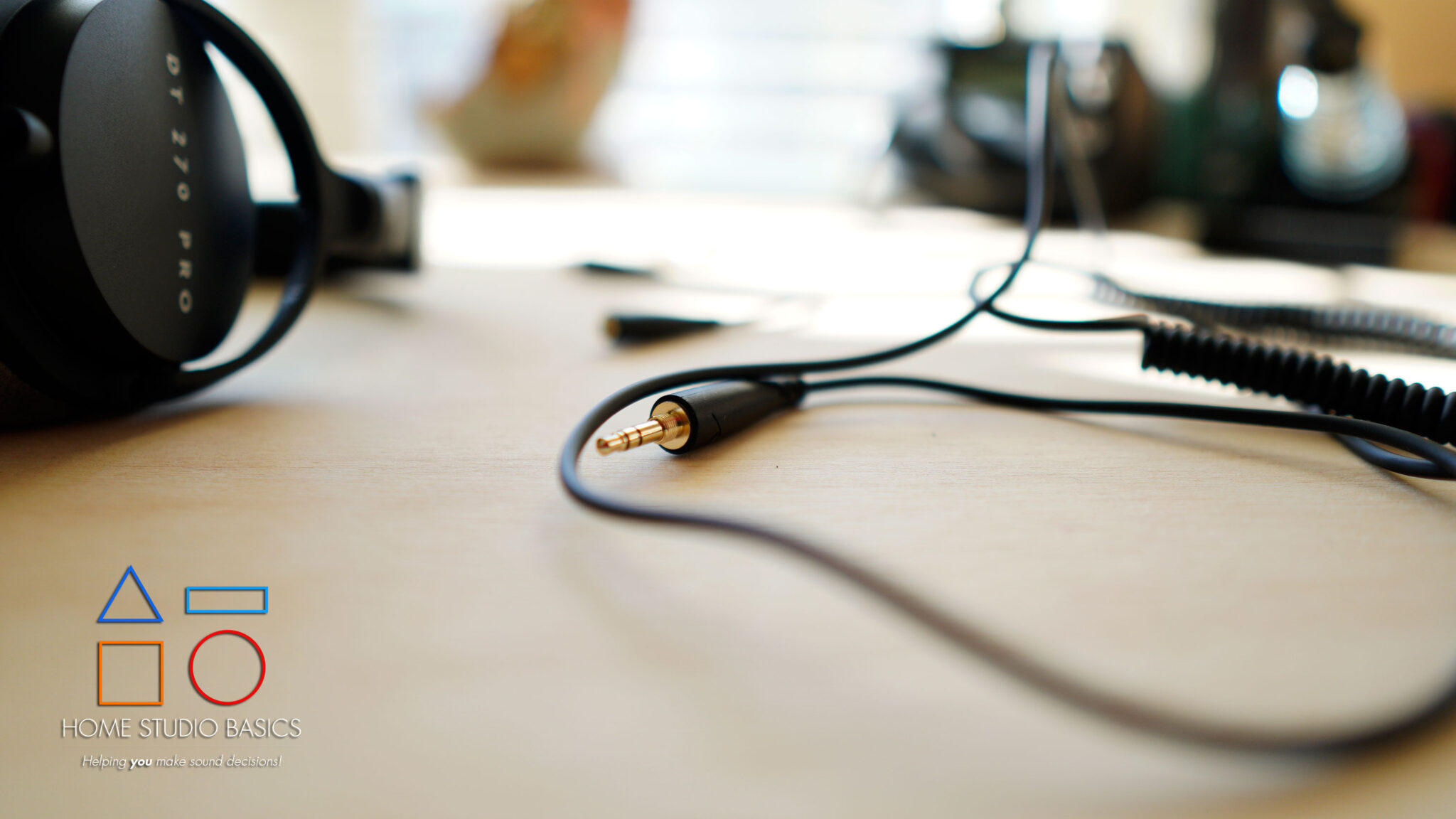
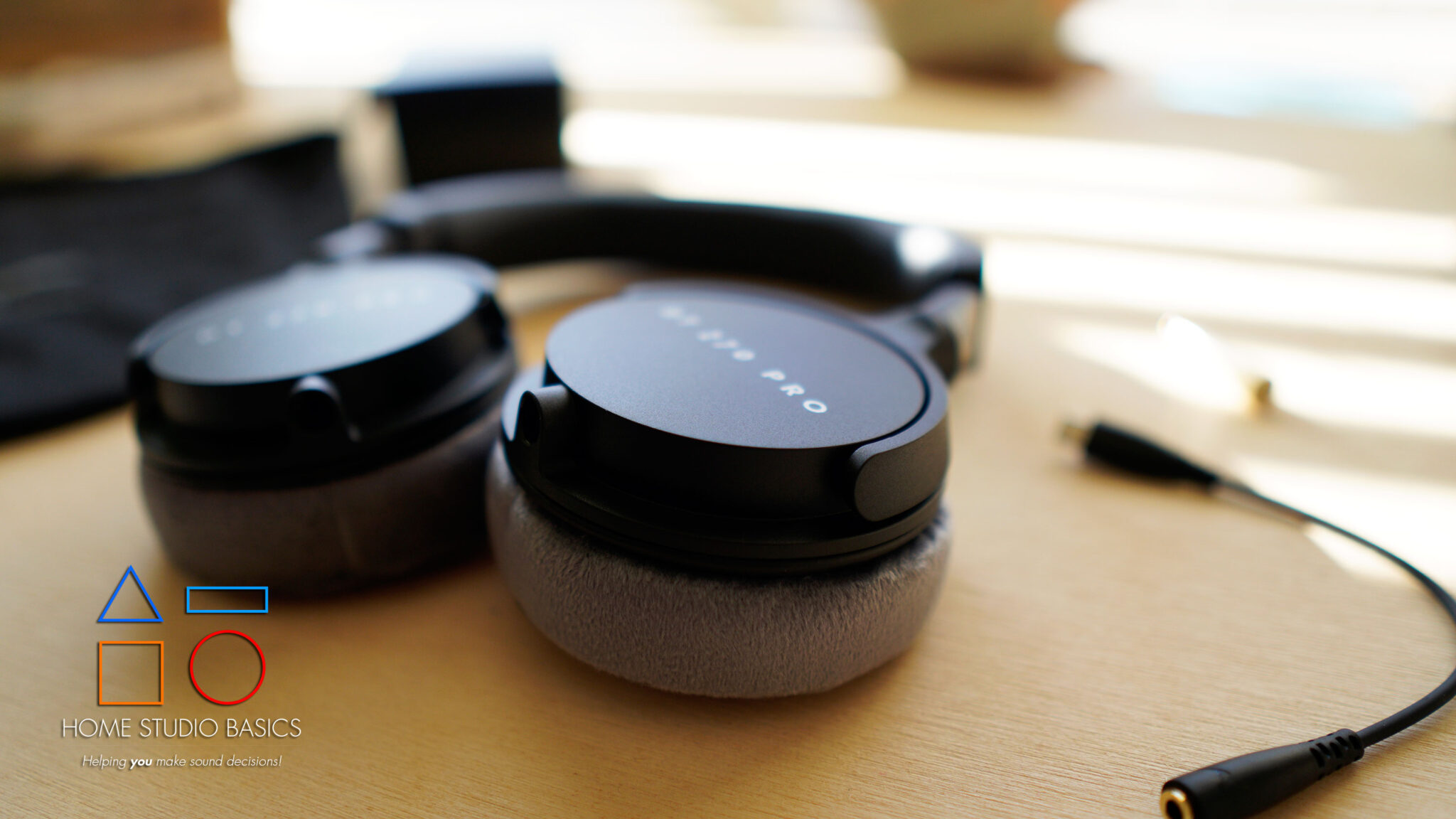
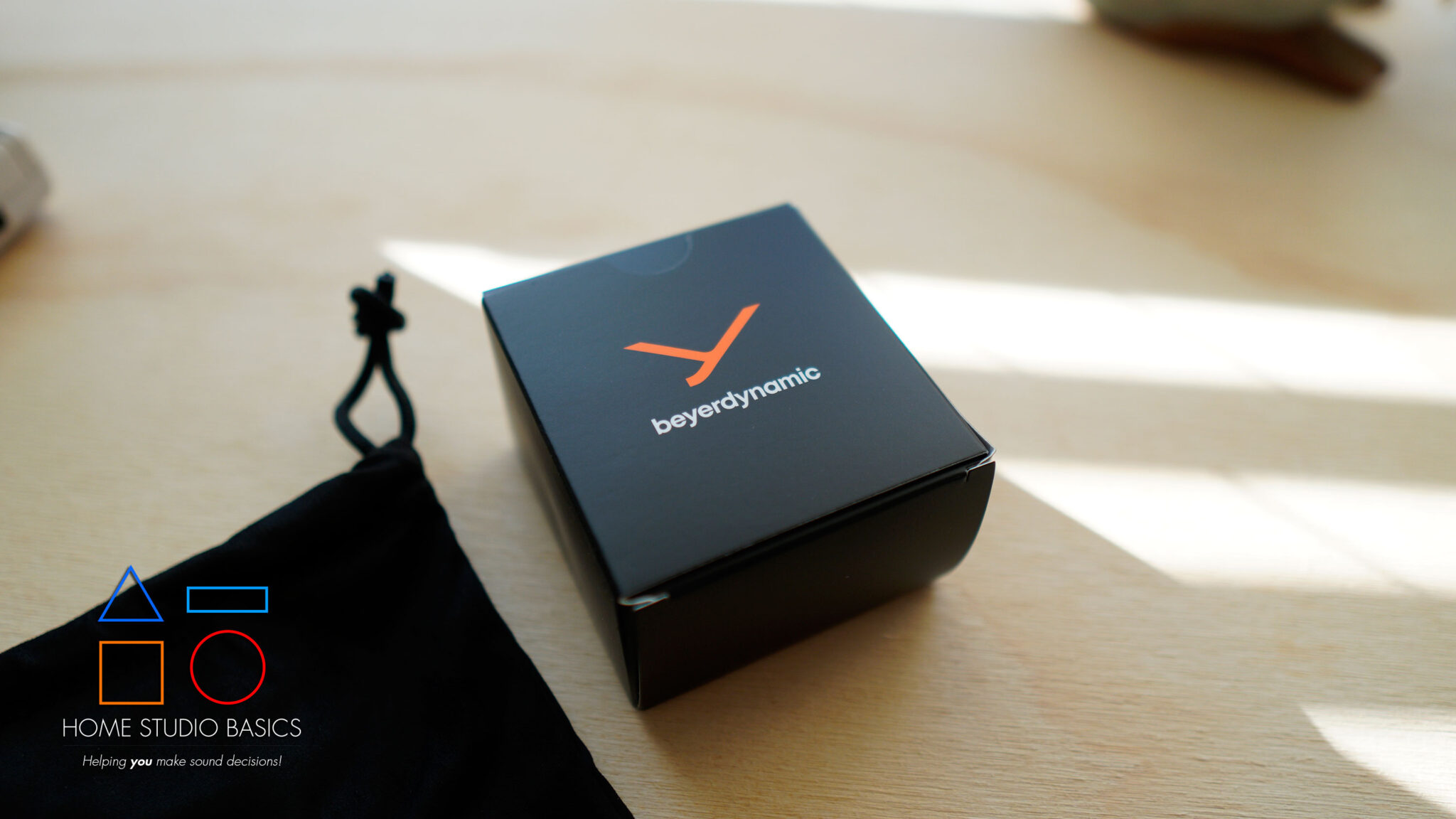
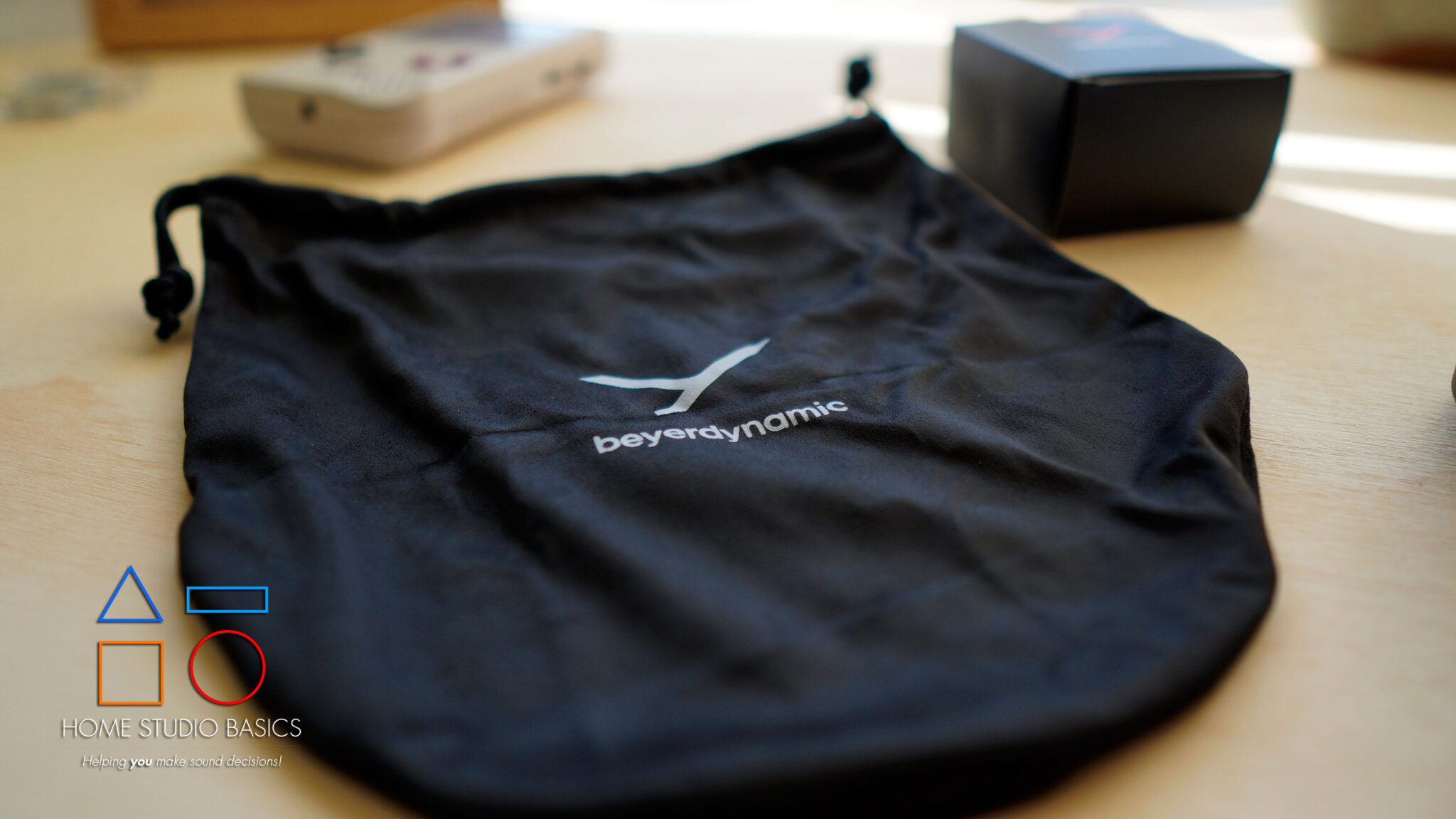
Both earcups contain a 3.5mm insertion, and the set comes with a coiled cord (1.3m/4.2ft), extendable to 3m (9.8ft). The package also includes a 1/4″ jack adapter, a USB-C to 3.5mm audio adapter, a drawstring bag, and instructions.
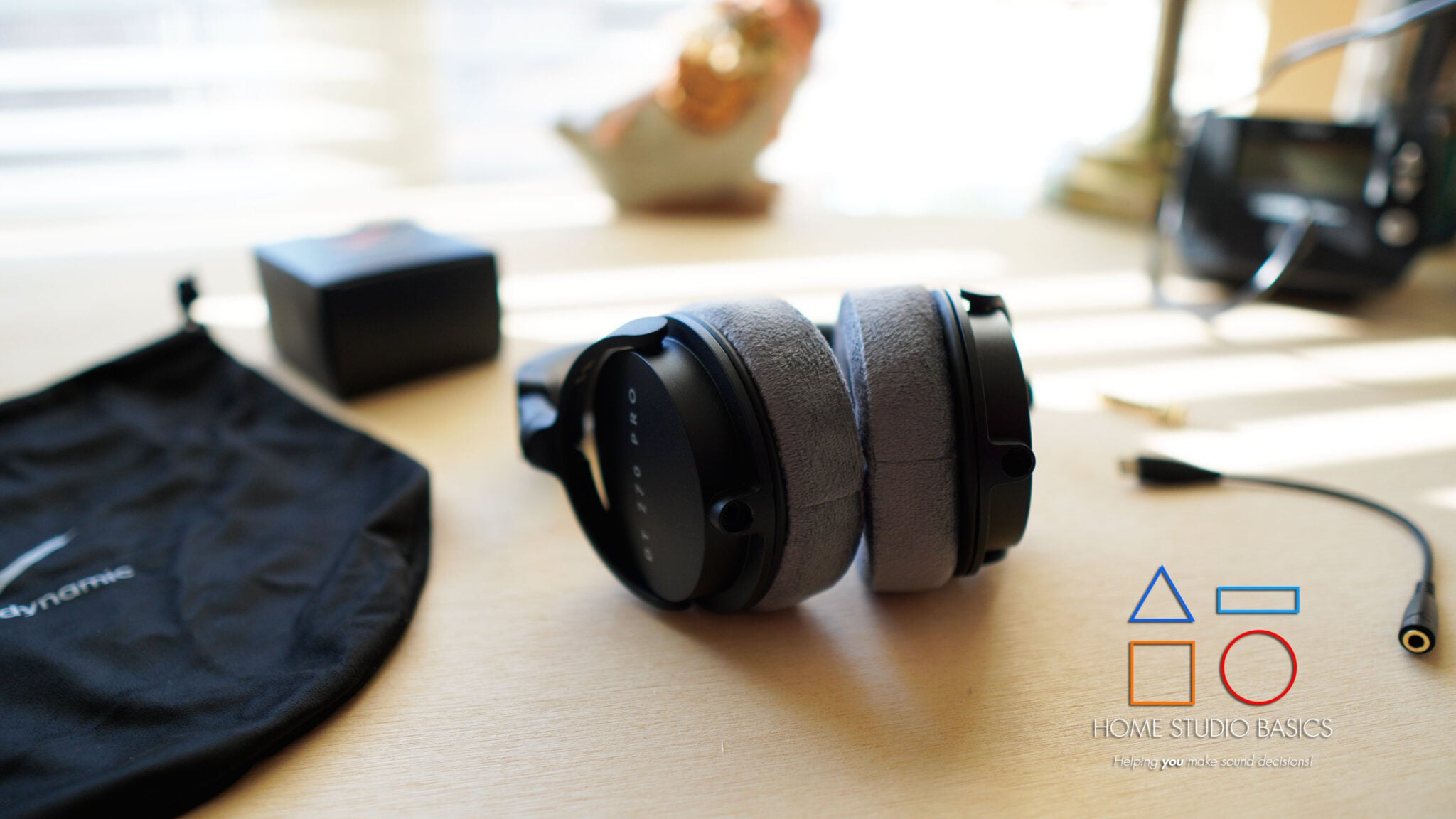
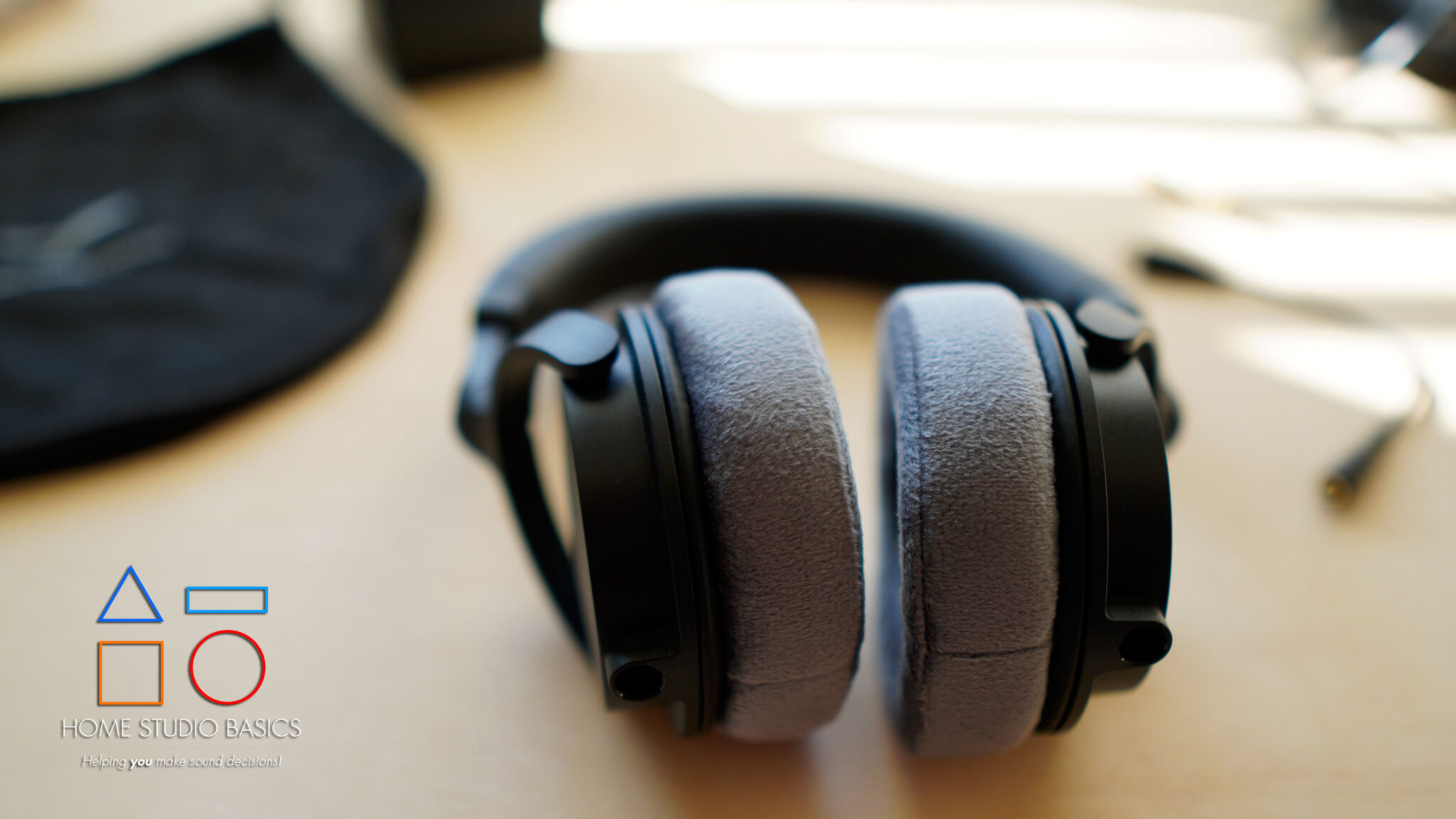
The cups rotate around 135 degrees, give or take. You can lay them down flat, and they’ll adapt to most head shapes and sizes. The cups also rotate inward around 45 degrees.
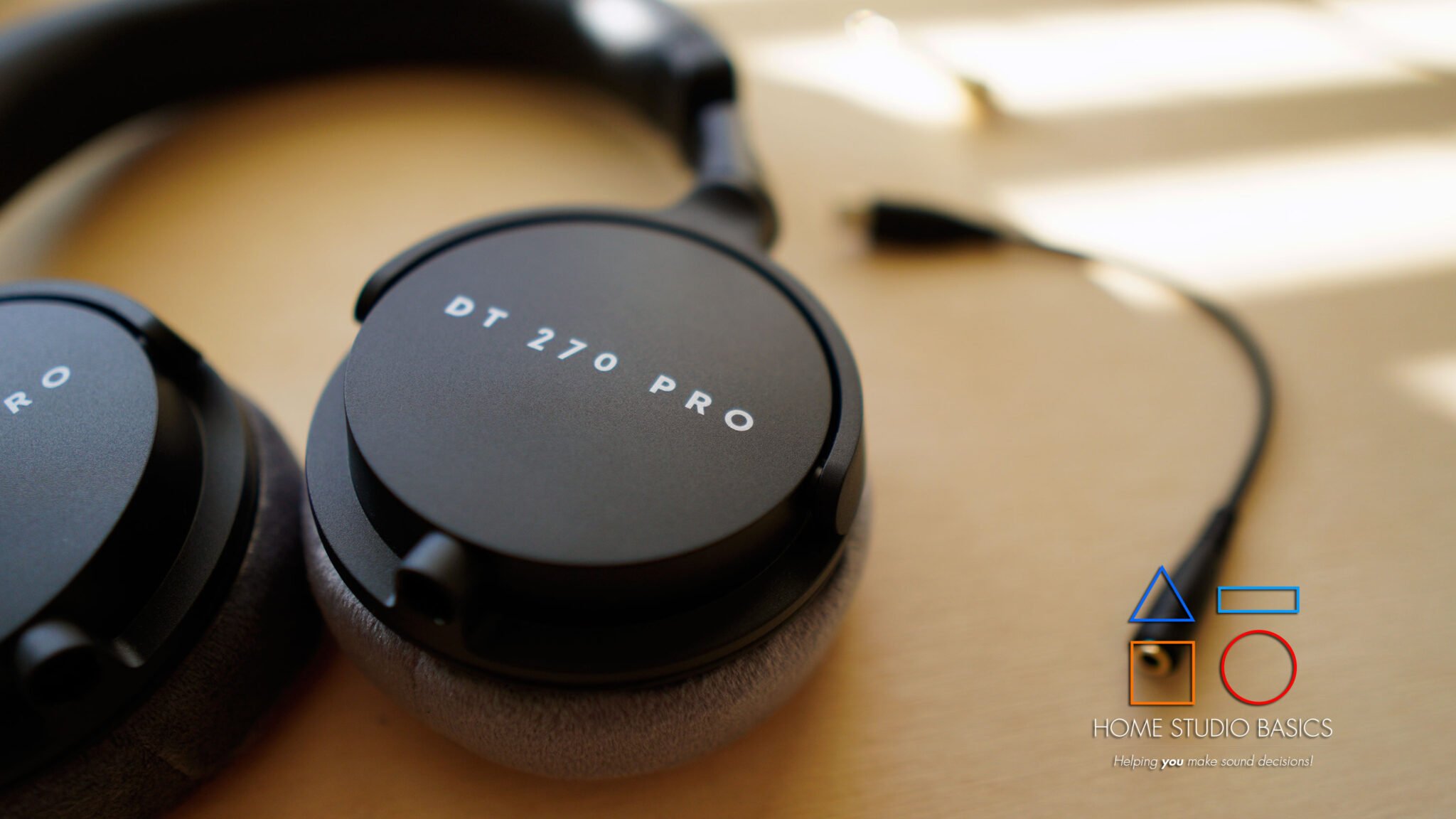
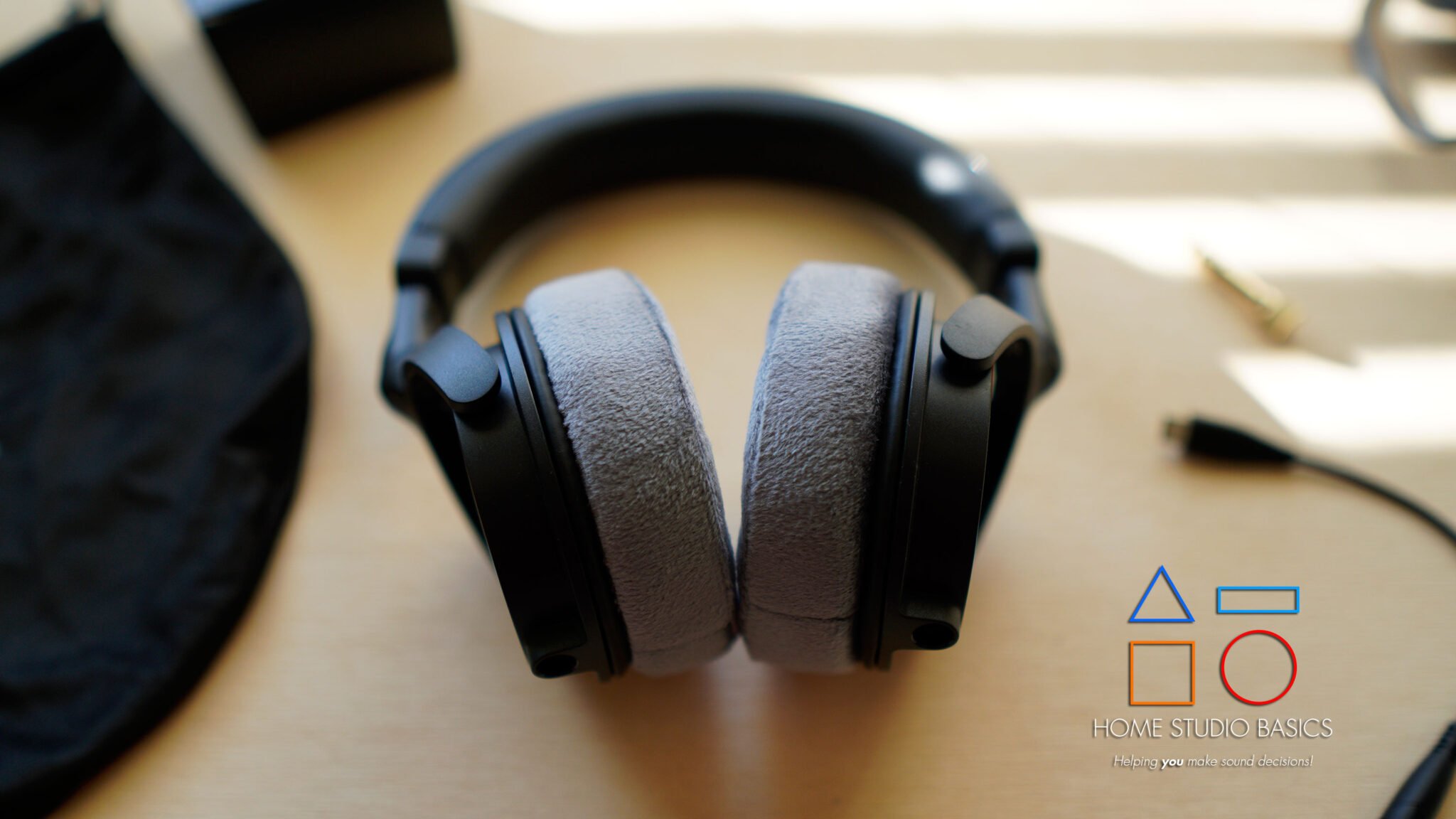
Headband padding is a bit sparse, but the earpads are a dream. Let’s dive in.
Comfort
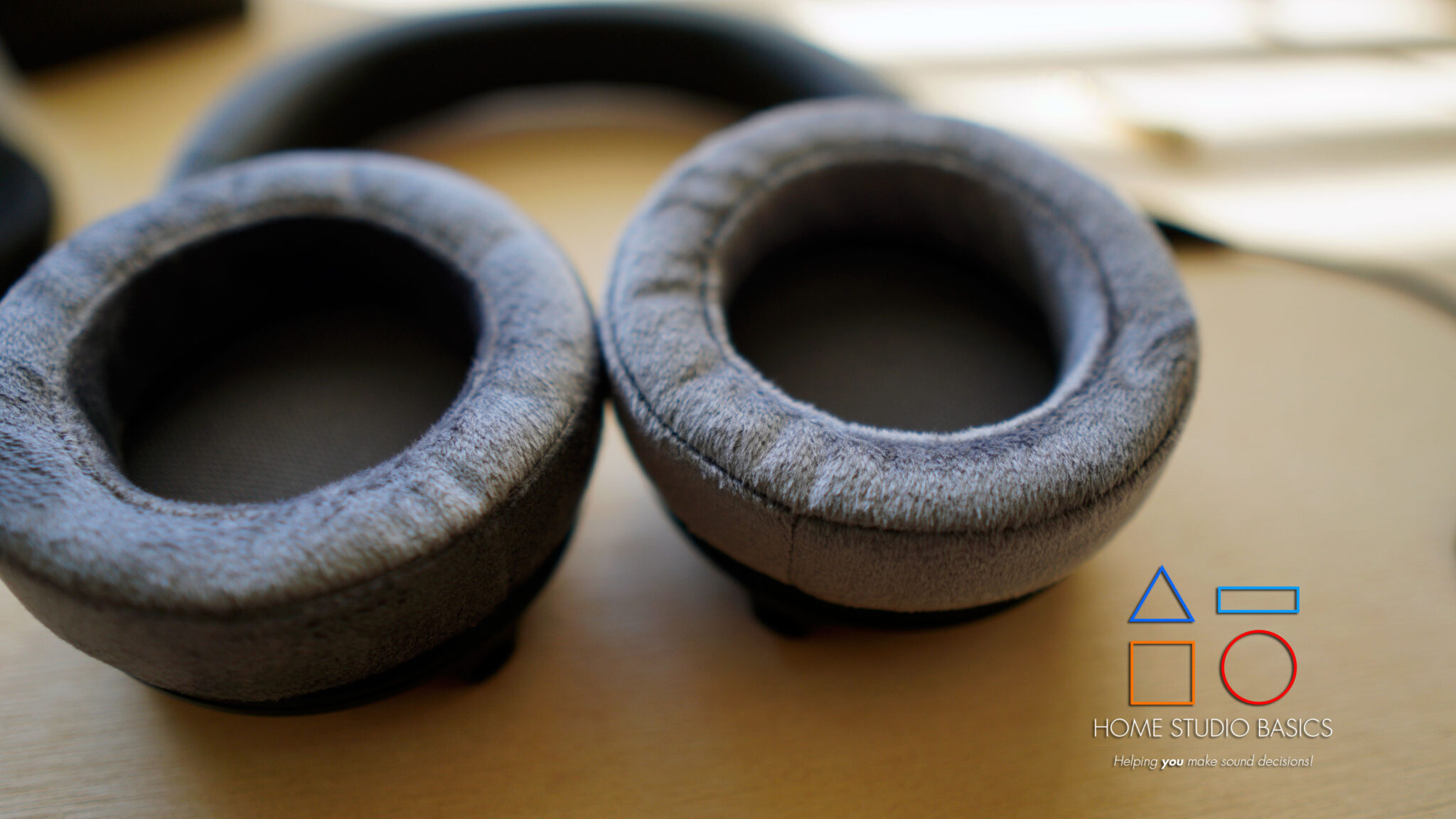
Beyer’s famous velour pillows make their glorious return, and as always, they feel amazing. They’re soft, supple, luxurious, and remind me of the super cozy comforter I just bought at Kohl’s because I EXPECT GREAT THINGS!!!
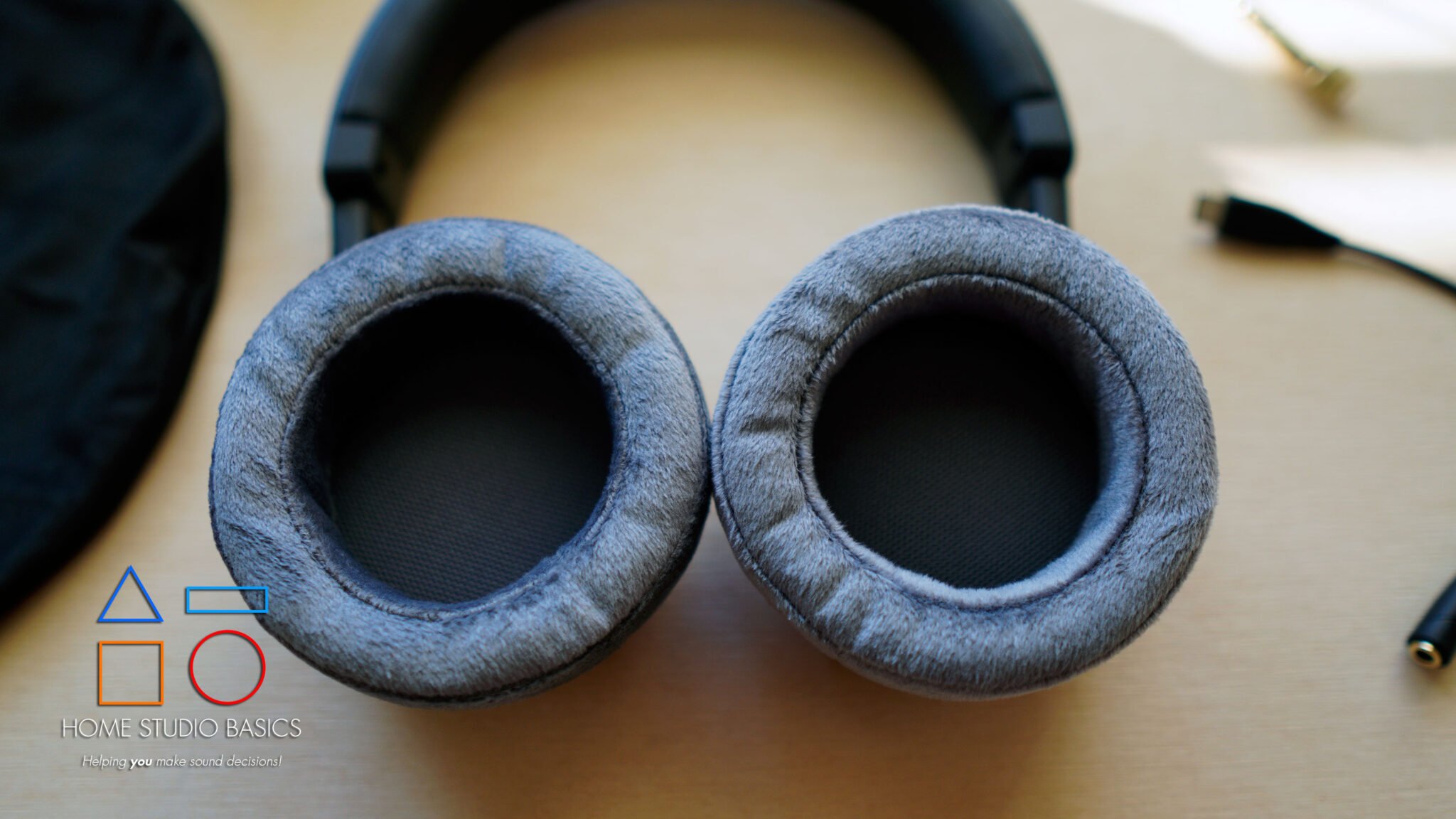
That said, they do clamp rather snugly, but I expect them to open up a bit over time. I’ll update this article accordingly.
As mentioned above, the headband padding is a bit meh and could use more.
After a while, the DT270 will certainly start to dig into the top of your skull, so keep that in mind. They create a pretty bad pressure point and will need to be adjusted every 30-45 min.
Other than that, comfort is mostly satisfactory, and I don’t have too many complaints.
Sound, Tuning, Resolution
- Playlist(s): Here, Here, Here, & Here
- My Music: Here
- Source(s): FLAC, Lossless
- DAC/Amps Used: FiiO K11, FiiO K7,
- Headphones compared: Adam Audio H200, NF ACOUS NH20, FiiO FT1
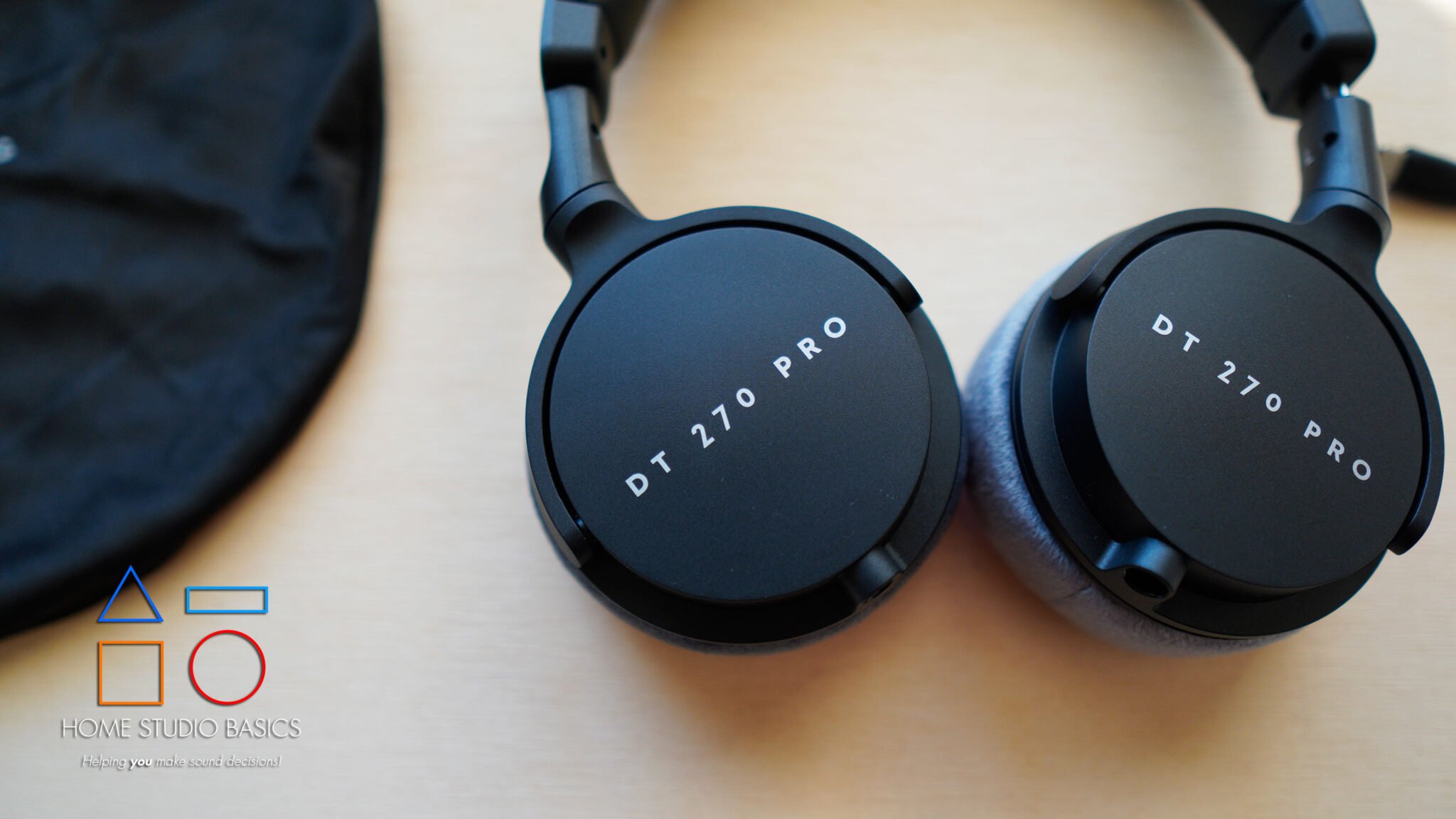
Overall, the DT270 is a fairly neutral, smooth, warm-ish sound, with some bass emphasis from the sub areas to around 100Hz.
It’s in no way overdone like your mom’s meatloaf, but definitely is noticeable. Thankfully, Beyer opts for a mud cut in the slop regions around 200-300Hz, a rise in the mid-range around the presence area, and some treble emphasis around 8kHz or so.
This protocol tends to work well, and you’ll never feel like the bass is out of control or boomy.
I compared it to a few headphones I have here, including the NF ACOUS NH20, Adam Audio H200, and FiiO FT1; all closed-back products in similar price ranges.
Interestingly enough, all of these headphones sound fairly similar as far as general tuning, but there are some clear and marked differences between them sonically speaking.
Unfortunately (or perhaps not), the NH20 comes across as the most sterile out of the bunch, almost brittle in comparison to the smoother sound of the H200 and DT270 Pro. It’s about the easiest to drive out of the 4.

It’s crisp and much more “in your face” than the rest, but comes across as much less refined and professional.
In other words, it lacks the tautness found in the others. The weird part about this is that the resolution is still very good and very revealing.
As you may well imagine, the FT1 is the most open, doing the best job of separating sounds and spacing things out.
The H200 is the most closed-in sounding, but certainly has the best isolation. This makes it phenomenal for tracking and recording. If the NH20 is a bit overly sterile, the H200 tones it down a bit, sounding crisp and clean without the brittleness and bite.

- Take ADAM Audio sound quality wherever you go with the Berlin-designed H200 headphones
- The 40mm PEEK Performance Drivers offer a smooth and balanced 2 Hz – 23.5 kHz frequency response, 112.5 dB SPL, and low distortion. They are combined with a light-weight neodymium magnet system for crystal-clear sound
- Built specifically for the H200, the included ADAM Audio Headphone Utility plug-in offers a range of optimization tools and a spatialization feature that employs advanced crossfeed techniques to improve headphone mixes
- The durable headband, faux leather memory foam earpads, and solid aluminum yoke combine to ensure a comfortable fit and provide excellent isolation when recording or working in noisy environments
- The provided audio cable is 3m in length and attachable to either side of the headphones. Chosen for its durability and low mechanical noise, it terminates with a 3.5mm (aux) connection with a ¼” adapter. A headphone carry bag is also included

The 270 Pro sounds a bit more laid back than both the H200 and NH20, but still has fantastic resolution. It also seems to have more bass thump, but not in a bad way. It’s just more noticeable and slammy whammier.
In other words, I feel like the H200 is likely the most neutral, followed by the NH20, then FT1, and finally the DT270. The FT1 is certainly “U” shaped, but because of its incredibly good Soundstage and spacing, it doesn’t feel like bass cannons destroying your ears. The frequency response is also handled extremely well.
And while the DT270’s bass also doesn’t sound sloppy or misplaced, it absolutely thumps harder and is much more colored than the others. This is incredibly apparent on Tems’ “Damages,” as the bass pumps much more significantly than it does on the FT1.
Because the H200 has less bass emphasis overall, the mids (and subsequently her vocals) stand out more, resulting in a bit of a surgical sound in comparison to the 270.

I promise this is not a copout, but the resolution on all is pretty similar overall. If you held a gun to my head, I’d probably rank them as follows:
NH20 > H200 > FT1 > DT270 Pro
That said, it’s an incredibly close photo finish, and I will continue to evaluate.
Transients/Speed
The 270 Pro has above-average transient response and tends to reproduce leading edges with good snap and control, allowing percussive hits and rhythmic elements to sound clean and well-defined without noticeable blur.
The same can be said for the FT1, NH20, and H200, and it’s strange because I’ve never evaluated 4 headphones that were this close in terms of important sound metrics. It’s really hard to say one way or another which is “better.”
For instance, I went back and forth exhaustively on a track called “Veiled” (kind of ironic), and both resolution and transient response are almost identical on all four. Go figure.
Soundstage/Gaming/Film
Not surprisingly, and as mentioned earlier, the FT1 is certainly the most open and atmospheric of the bunch, while the H200 is probably the most “inside your head.”
The DT270 and NH20 lie somewhere in the middle, but because of the N20’s sterility, it arguably sounds more open than the warmer, smoother-sounding 270.
With the FT1, you’ll feel like you’re more immersed in an actual environment, so if you also need a headphone for gaming or watching film, I think it’s the best choice here.
Genre Pairing
The DT270 Pro works well for an array of genres, including Classical, Jazz, Hip-Hop, Indie, Pop, Folk, Ambient, Rock, Alternative, etc.
Not surprisingly, the others work for pretty much all of the same genres. Put simply, there isn’t a form of music I wouldn’t recommend, since all 4 of these headphones are fairly even-sounding. That said, while the 270 is marketed for studio use, it is a bit heavier on the bass side of things. The same can be said for the FT1, but both treat their low-end emphasis tastefully and with class.
Still, I’d caution you to be careful when mixing the bass, as it’s already boosted and doesn’t need a lot of extra emphasis.
The NH20 and H200 have more neutral low-end fidelity, so proceed as normal in shaping and carving the bass as you see fit.
- Required Reading: How To EQ Bass/My Philosophy
Amplification
As mentioned earlier, the NH20 is likely the easiest to drive because of its Sensitivity, but all 4 are pretty similar in terms of #’s.
In other words, you won’t find yourself making huge adjustments from headphone to headphone when using a DAC/Amp.
I wouldn’t fo much further than a FiiO K11 for desktop, and Fosi DS2 for mobile use. Spend any more than this (around $60-$100 give or take) and you’re lighting money on fire.
- NF ACOUS NH20: 50 Ohm, 125dB Sensitivity
- Adam Audio H200: 32 Ohm, 97.5dB Sensitivity
- FiiO FT1: 32 Ohm, 98dB Sensitivity
- Beyerdynamic DT270 Pro: 45 Ohm, 96dB Sensitivity
Final Verdict
Beyerdynamic’s DT270 Pro is a well-built, comfortable, reliable headphone with a warm tone and plenty of bass.
While it’s not the first thing I’d reach for when mixing or EQ’ing a track, its excellent resolution, crisp sound, and good tone render it very useful in a studio setting.
That said, I’d personally use this as more of a general listening headphone rather than something to rely on full-time for sound engineering.
For a handpicked list of great studio headphones, check out my Best Studio Headphones For Mixing, Mastering, And Music Production article and reach out if you have any questions!
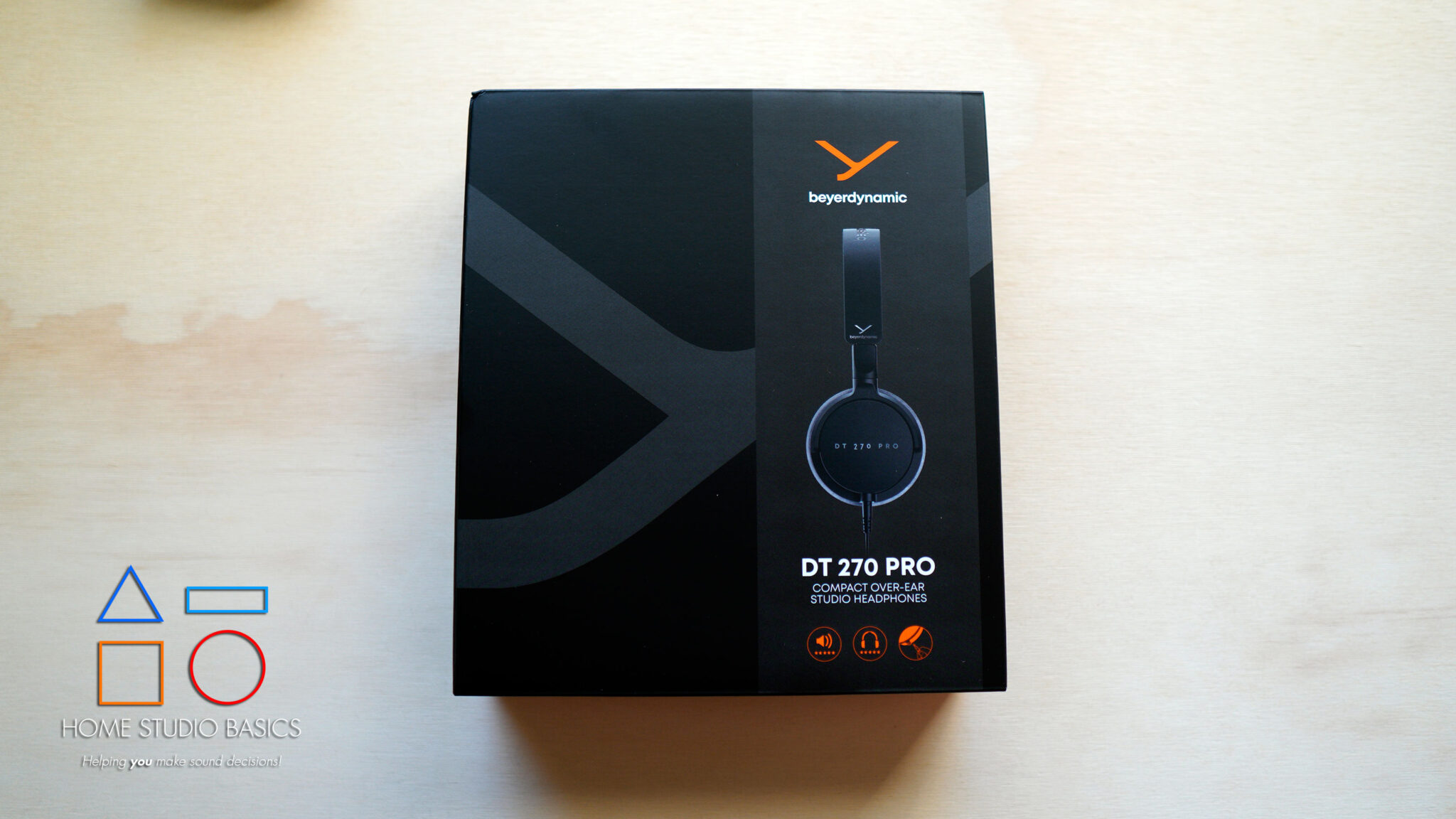
Beyerdynamic DT270 Pro: Pricing/Box
Price: Check Amazon! | B&H! | Sweetwater!
In The Box

Beyerdynamic DT270 Pro
Coiled Cord (1.3m/4.2ft), extendable to 3m (9.8ft).
1/4″ Adapter
USB-C to 3.5mm audio adapter
Drawstring bag
Instructions
Specifications
- Transducer Type: Dynamic
- Operating Principle: Closed
- Frequency Response: 5 – 24,000Hz (-10dB)
- Nominal Impedance: 45 Ohms
- Nominal SPL: 96dB
- Nominal THD: <0.04%
- Ambient Noise Attenuation: 19dBA
- Weight (Without cable): 194g
- Cable: 1.3m (4.2ft), coiled, extendable to 3m (9.8ft)
- Connection: Gold-plated 3.5mm stereo jack & 6.35mm (1/4″) adapter
Well, that’s about it for today my friend! I hope you’ve enjoyed this Beyerdynamic DT270 Pro Review and came away with some valuable insight.
Questions? Comments? Requests? Did I miss the mark on something? Please leave them down below or Contact me!!
If you love what I do here and want to support the blog and channel in a more personal way, check me out on Patreon and discover all the value I have to offer you.
Which of these sounds the best for studio use? I would love to hear from you. Until next time…
All the best and God bless,

-Stu
[Xtr@Ba$eHitZ] > Now AudioFiles Anonymous



![The 16 BEST Headphones For Hip-Hop & Bass [Definitive Guide]](https://homestudiobasics.com/wp-content/uploads/2018/01/Best_For_Hip_Hop_2-768x432.jpg)

Do you think dt270 pro is better than ft1? Personally and subjectively? I have ft1 and I’m thinking about dt270 pro. Do you think it would be redundant?
Shean,
Thanks for stopping by! Yeah I do think it would be redundant. The simplest way I can put it is that even though I like the 270 Pro, I won’t be replacing the FT1 with it if that makes sense. FT1 is still one of my main headphones, and I use it specifically for tracking/recording rap vocals alongside the HS7 which are my main monitors. Hope that helps! Let me know what you think.
-Stu