Fosi Audio DS3 Review: An Upgrade Over DS2?
Greets mate and Welcome aboard! Stuart Charles here, HomeStudioBasics.com helping YOU make sound decisions, so…
Today’s Fosi Audio DS3 review will cover build, features, performance, a comparison to their DS2, and more.
By the time you’re finished reading, you’ll know if it’s worth a purchase. If it isn’t, I’ll point you in the direction of something that is.
What Is It?/Packaging/Build
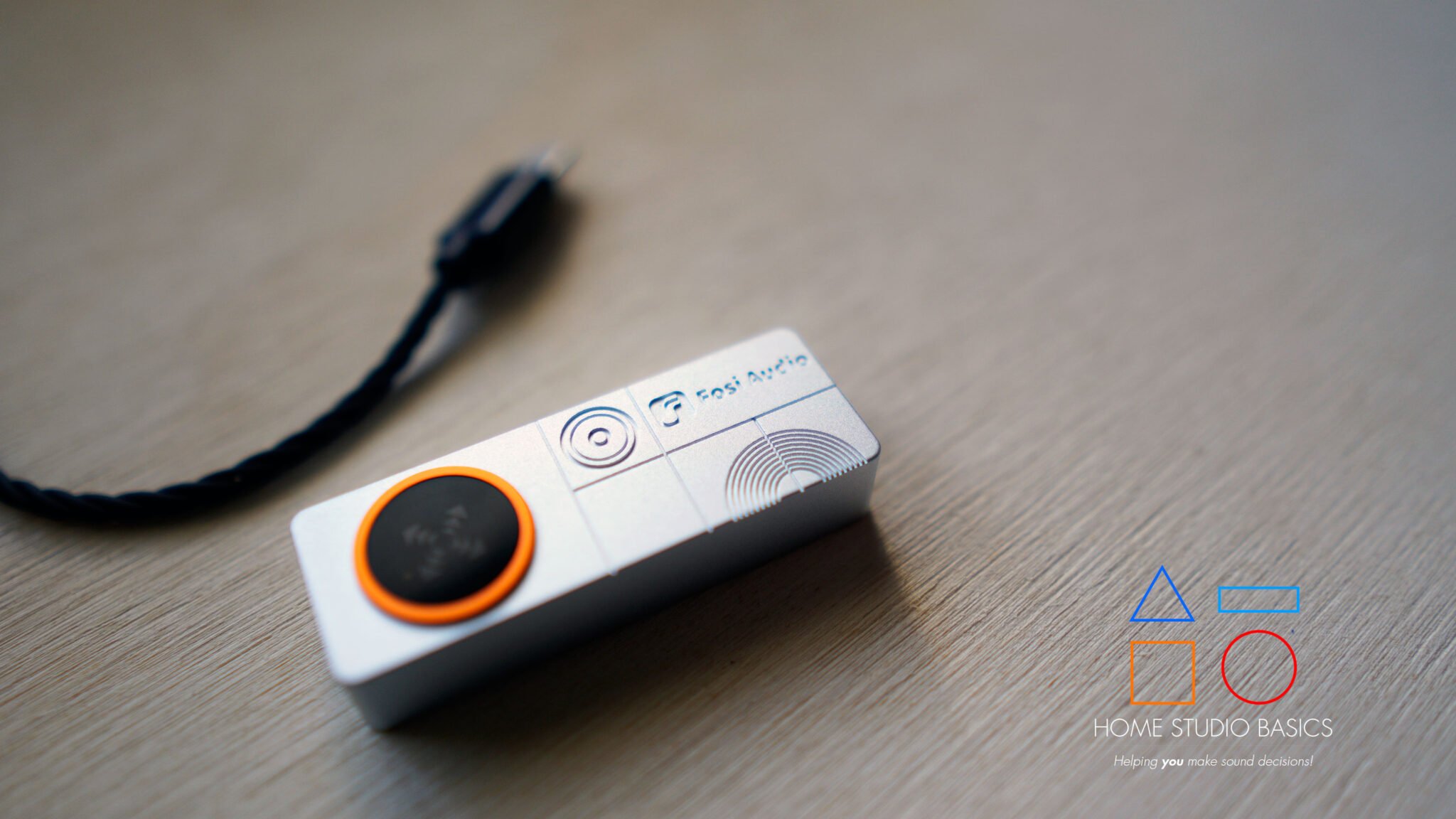
If you’re brand spanking new to the wonderful, wide, and wacky world of audiophilia, Fosi’s DS3 is a portable, combo Amplifier + DAC that’s meant to be used with headphones or IEMs.
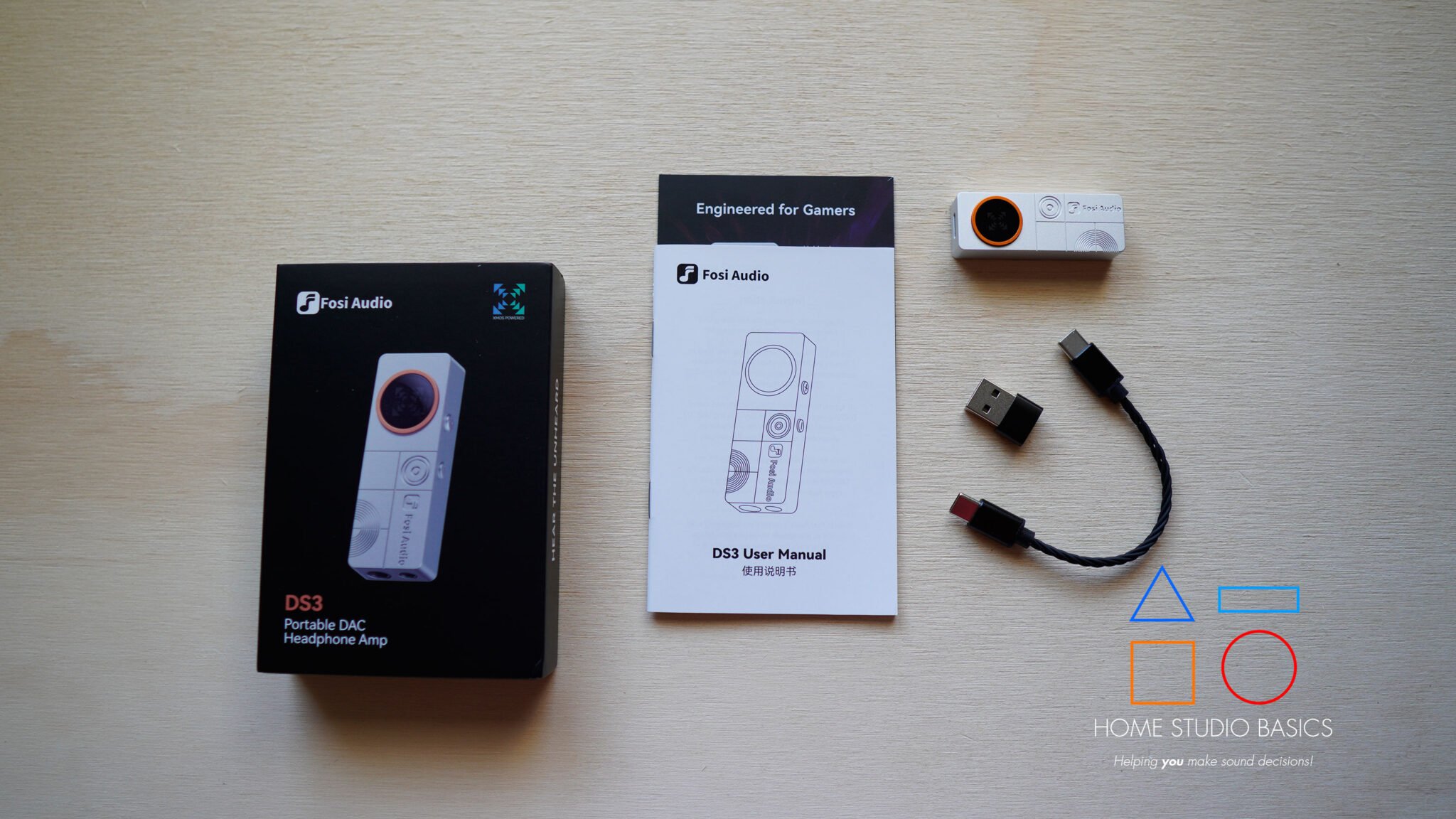
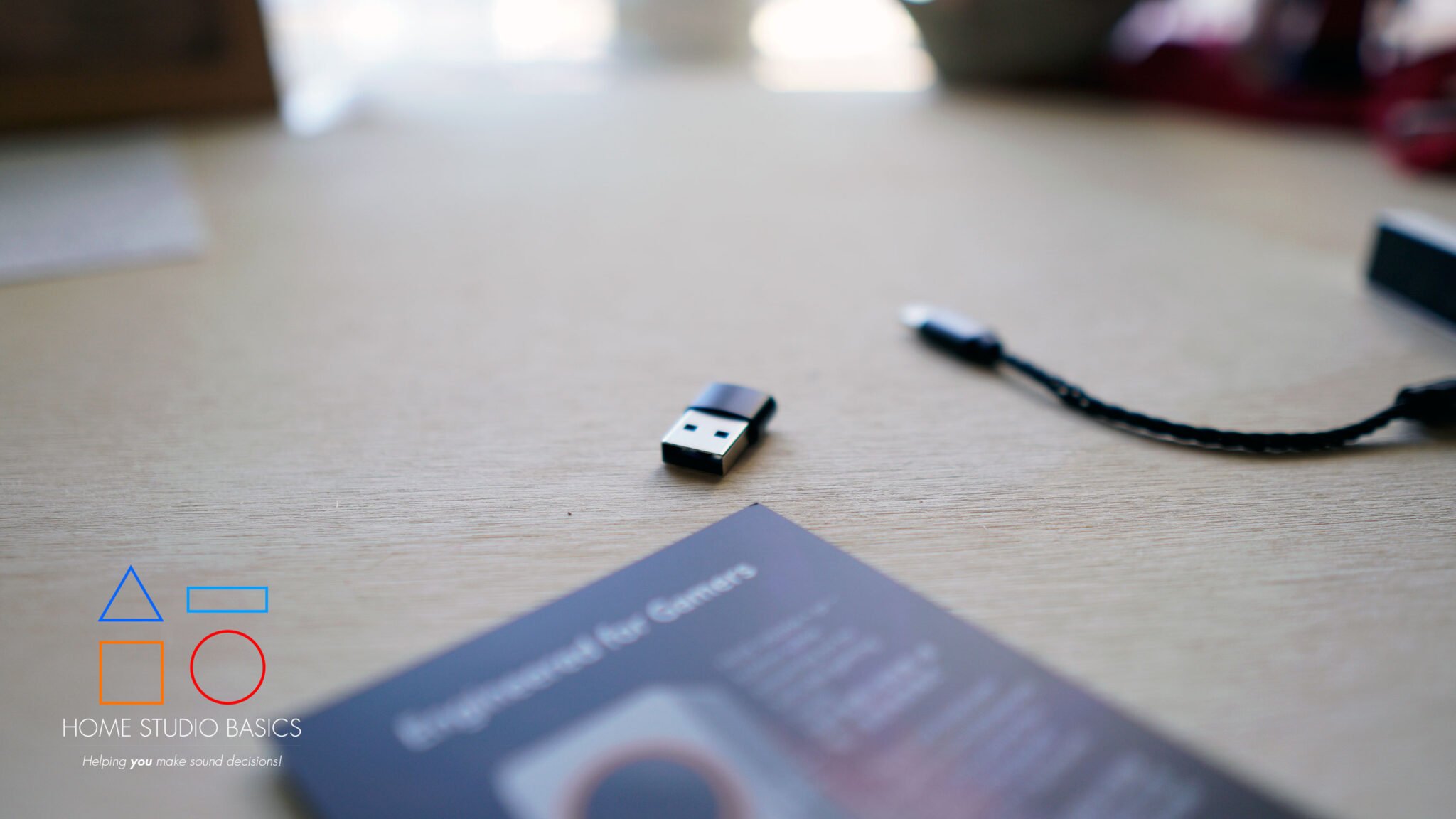
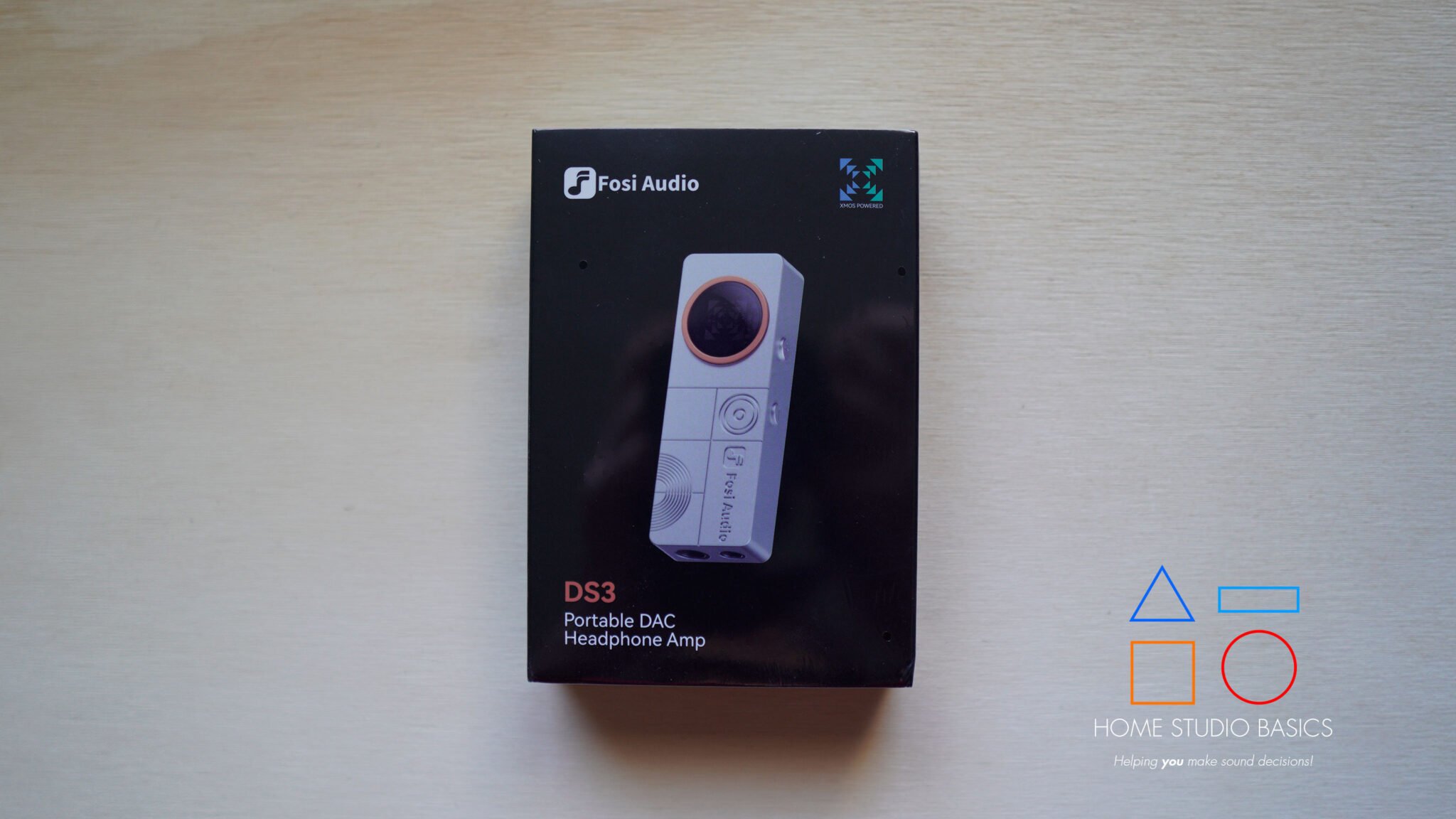
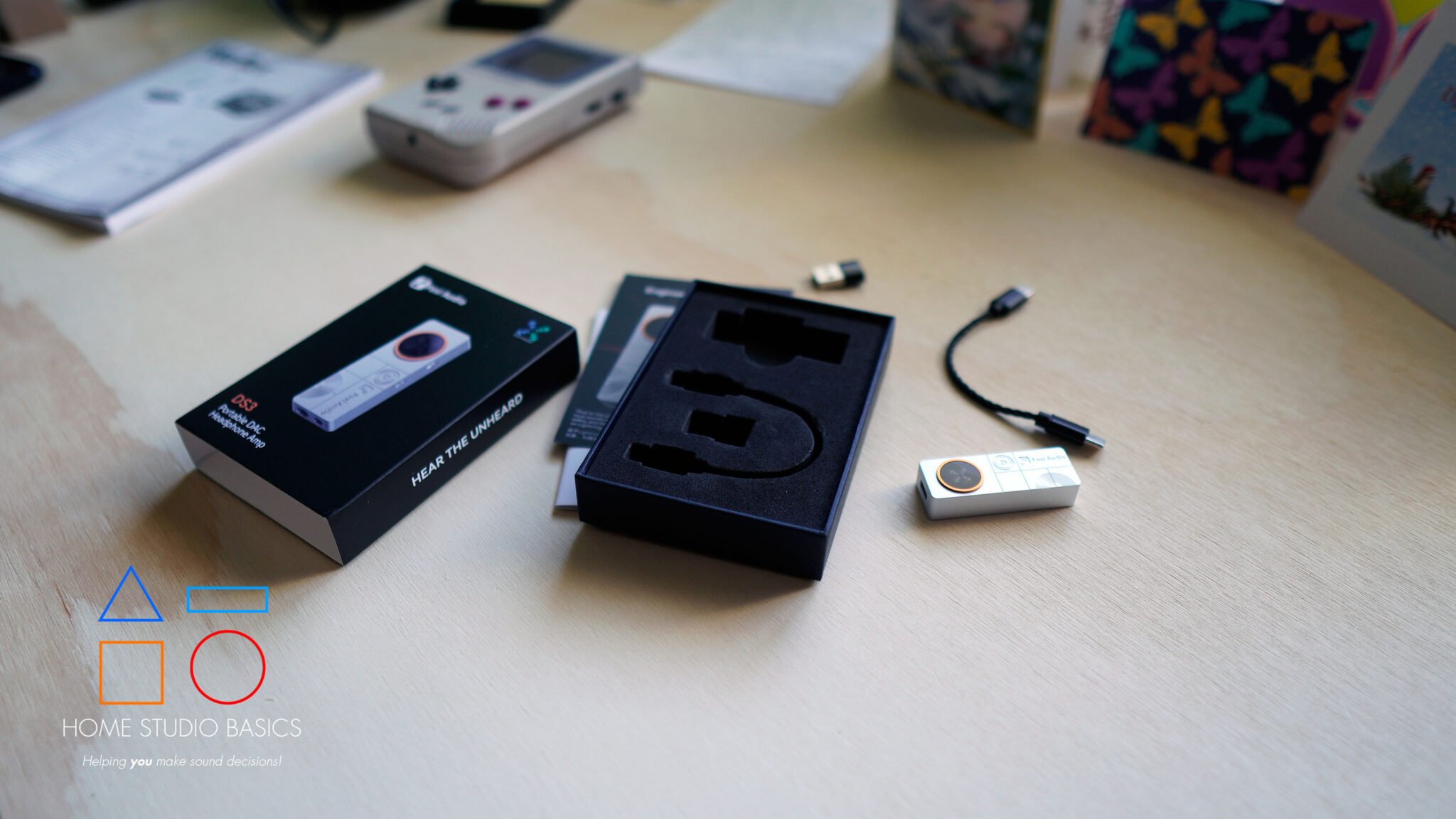
Featuring a no frills presentation, it comes with a USB-C to USB-C cable, USB-A to Type-C adapter, a user manual, and instruction card.
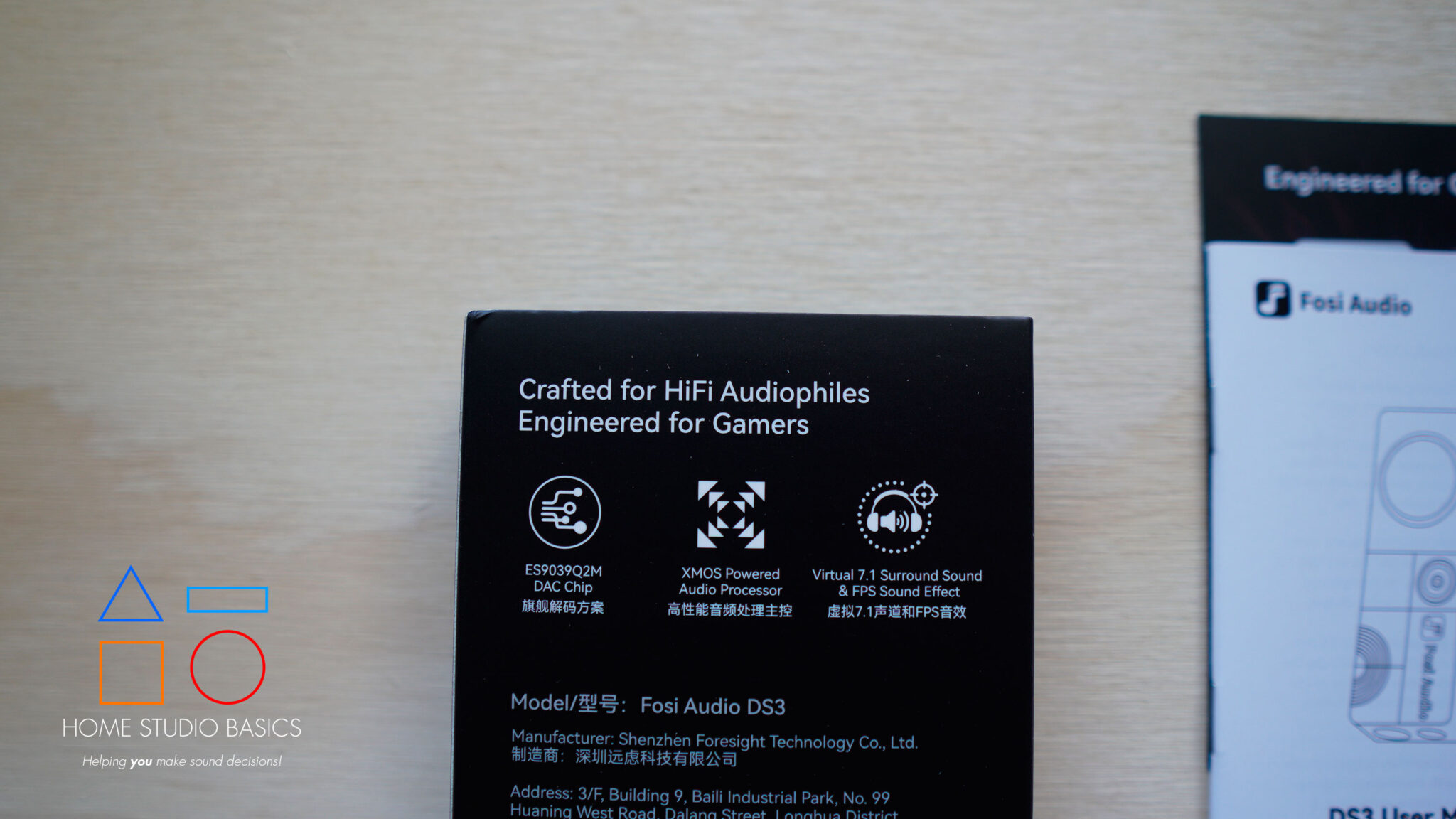
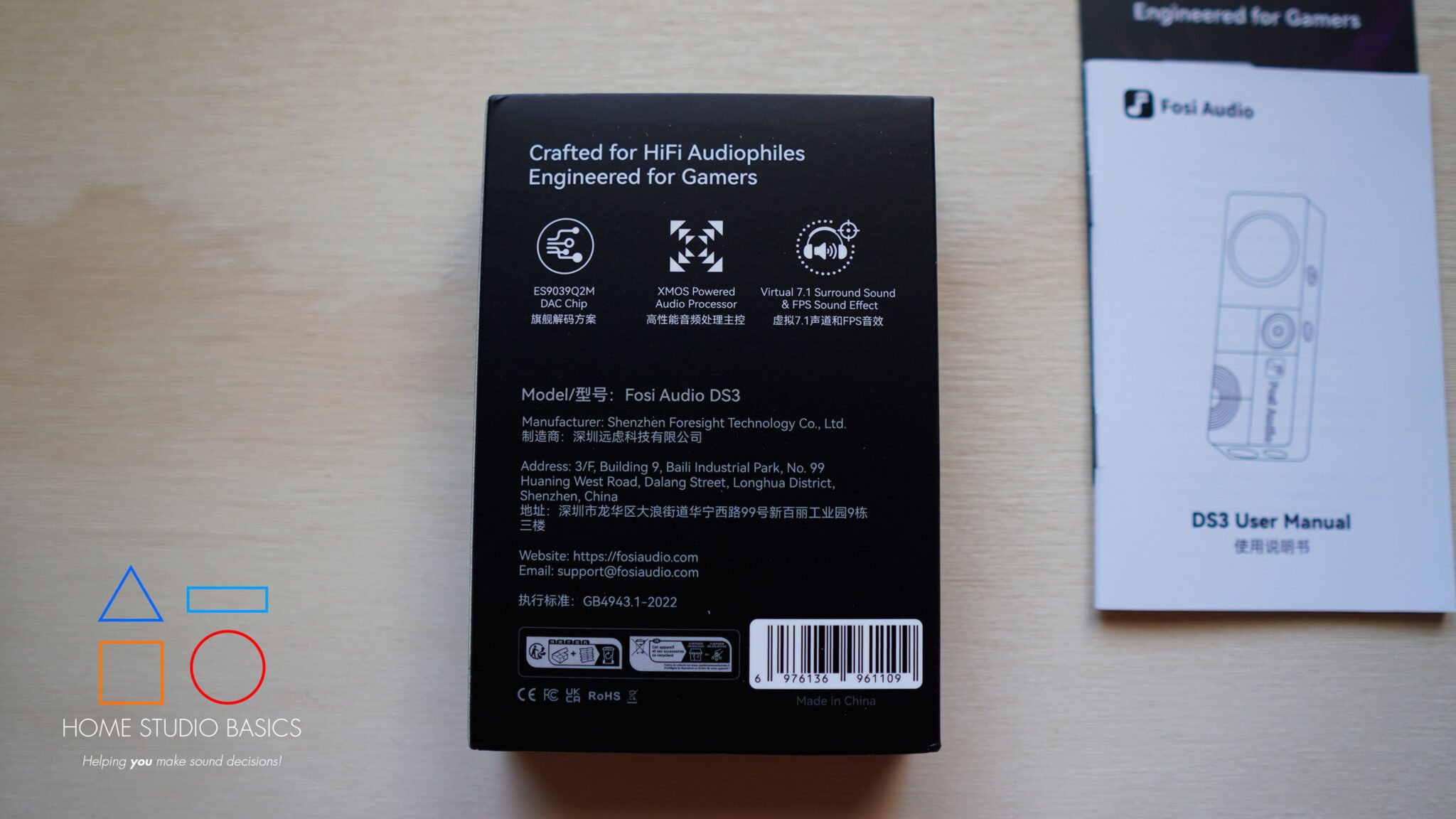
According to Fosi, it also happens to be the world’s first portable DAC/amp to feature the XMOS powered high-performance audio processing solution, and an ESS ES9039Q2M flagship DAC chip.
Supporting up to PCM 32-Bit/768kHz and native DSD512, in addition to UAC 2.0 and UAC 1.0 dual-mode compatibility for smartphones, computers, tablets, and gaming devices, the DS3 is ready to serve like Pete Sampras in his prime.
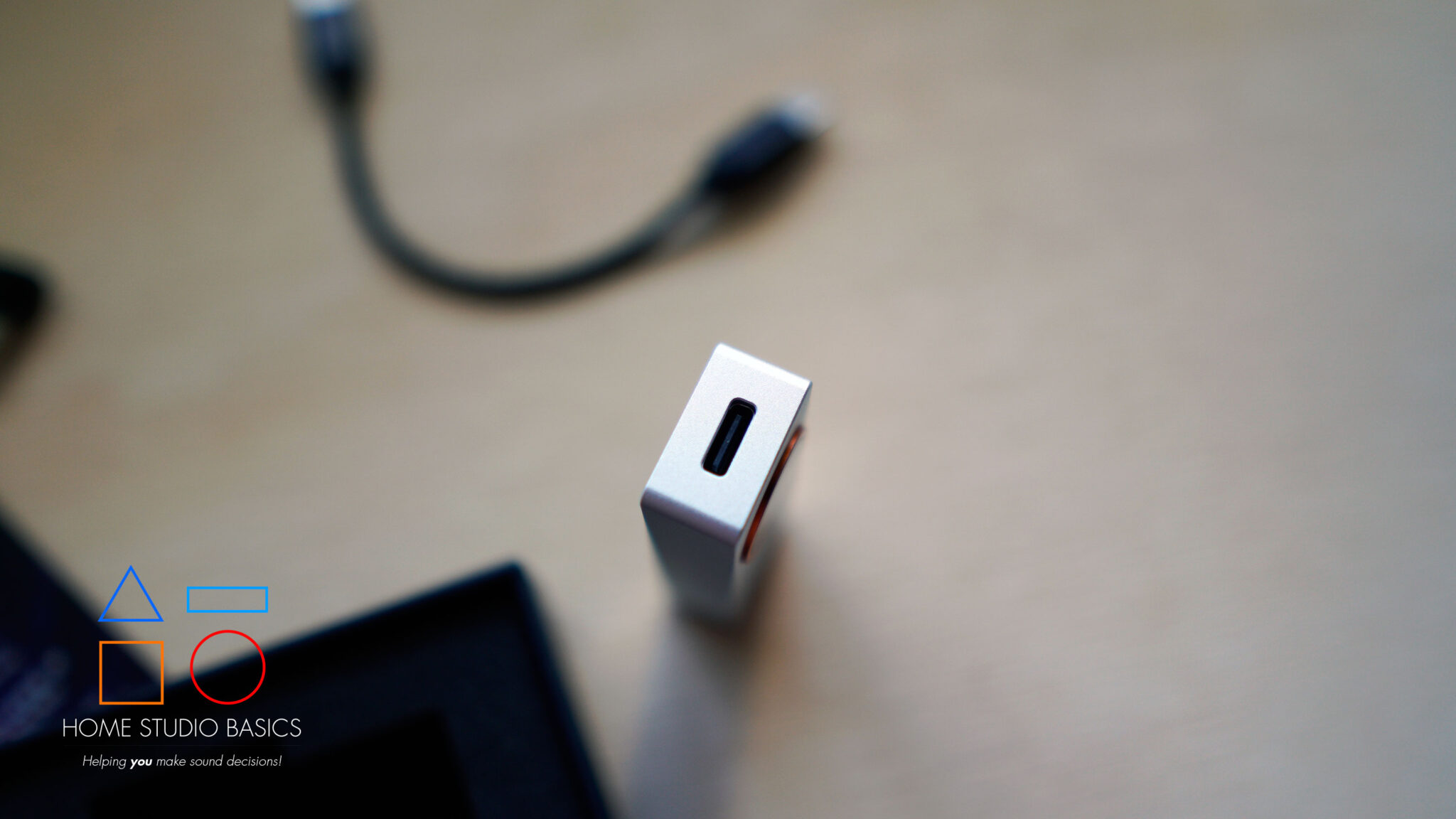
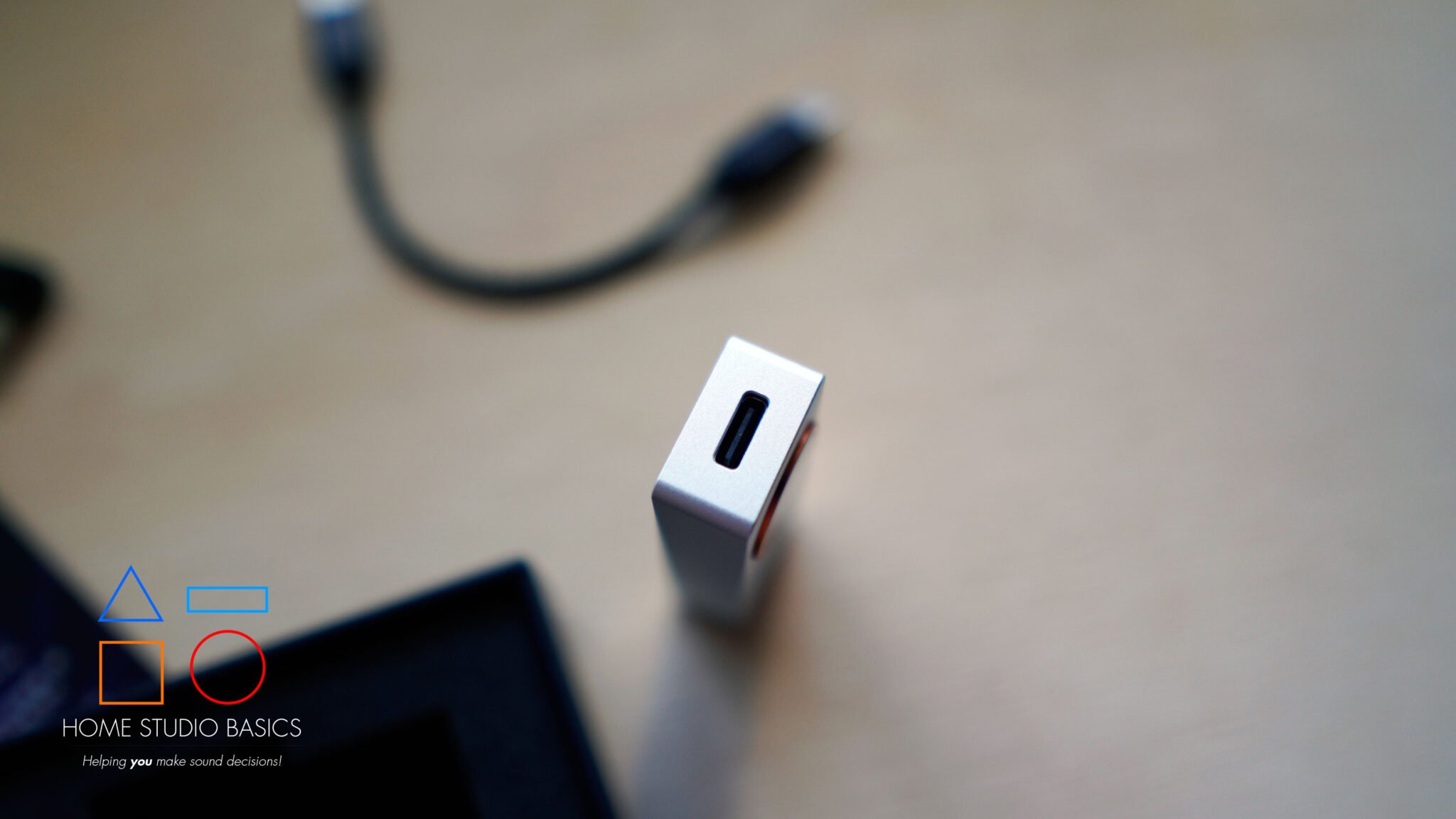
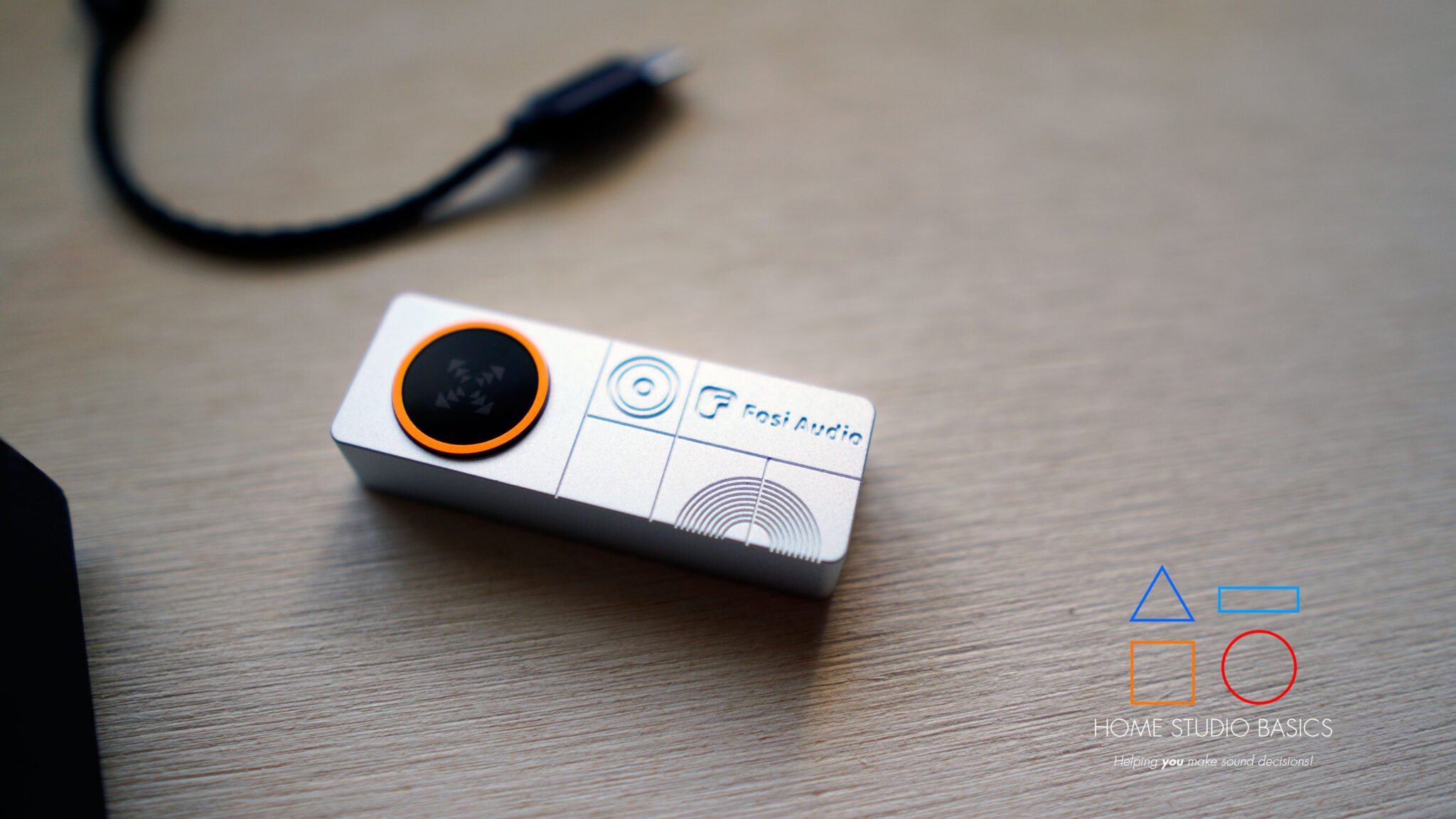
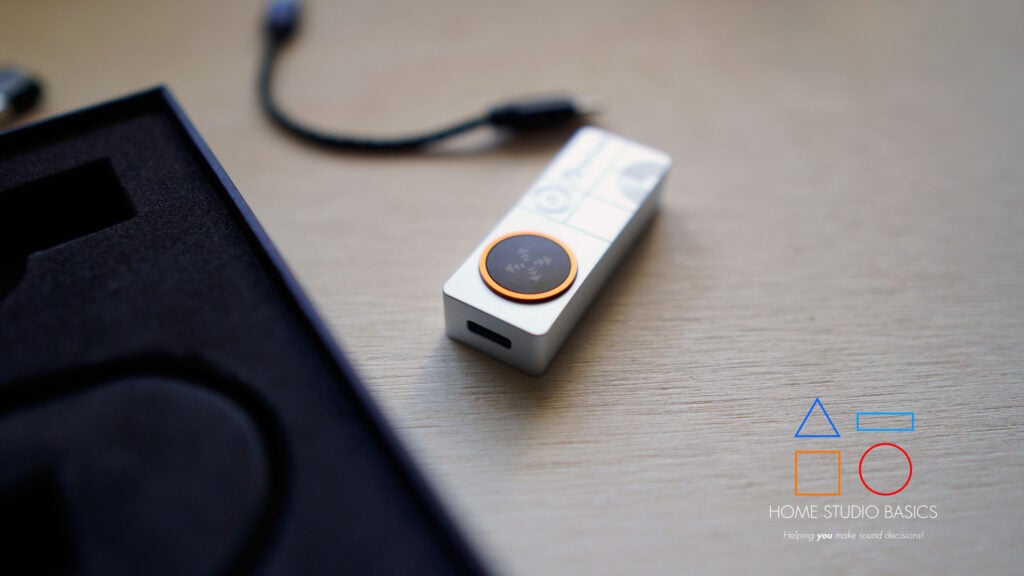
It’s also the first DAC I’ve ever tried that you can see through. That’s right, the internals sit behind a slightly tinted glass winder, and while neat, it’s a purely cosmetic feature.
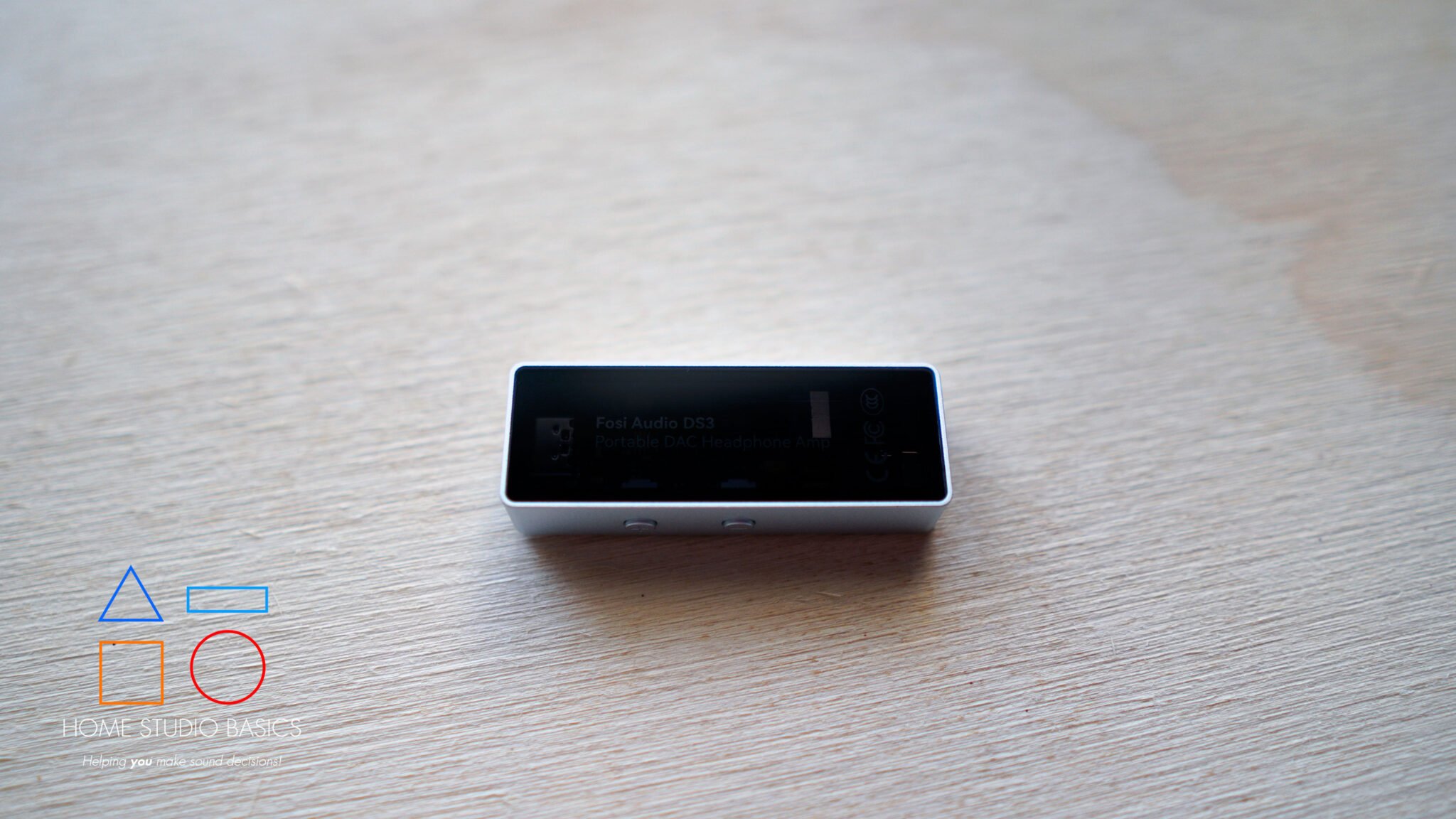
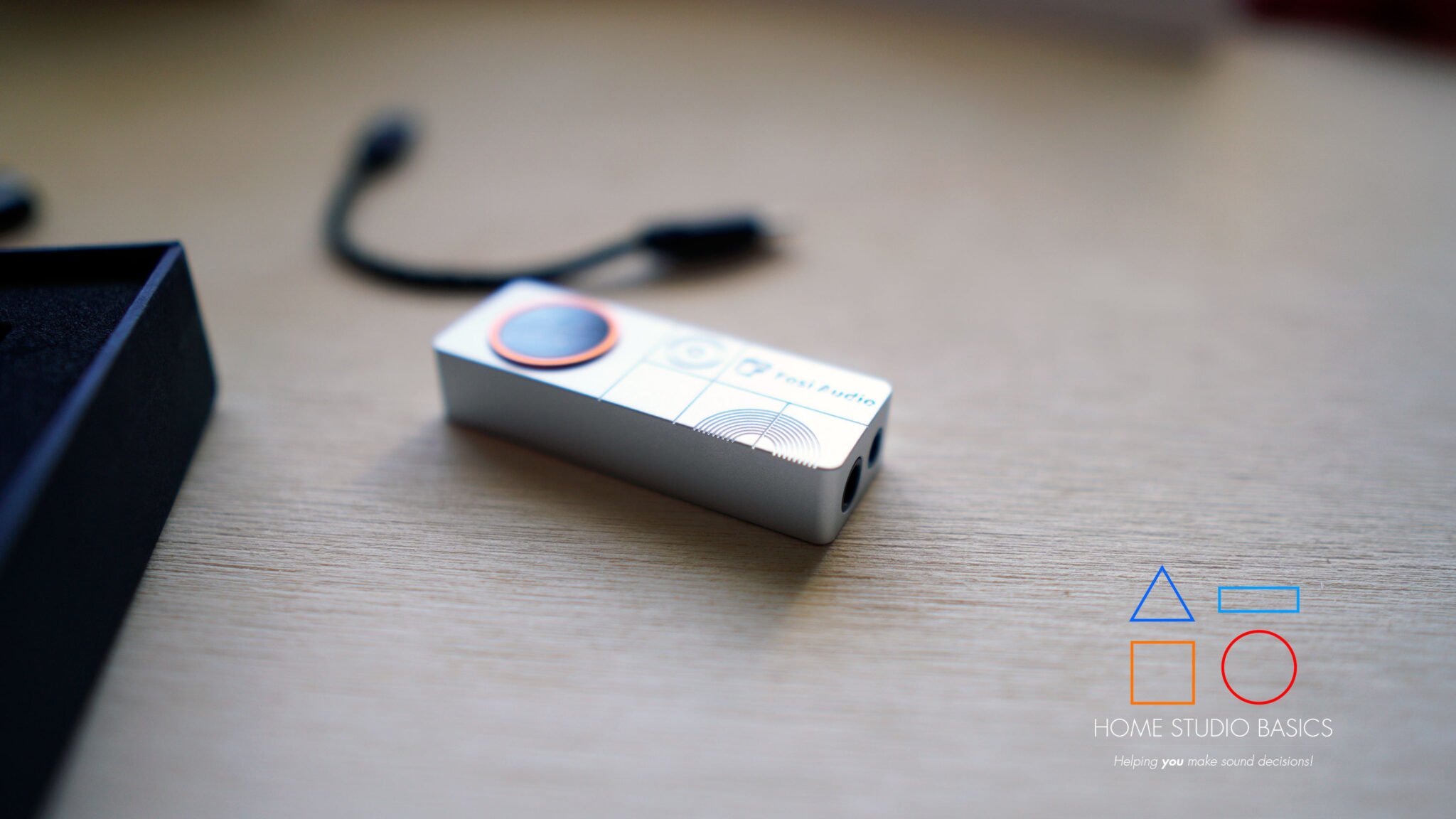
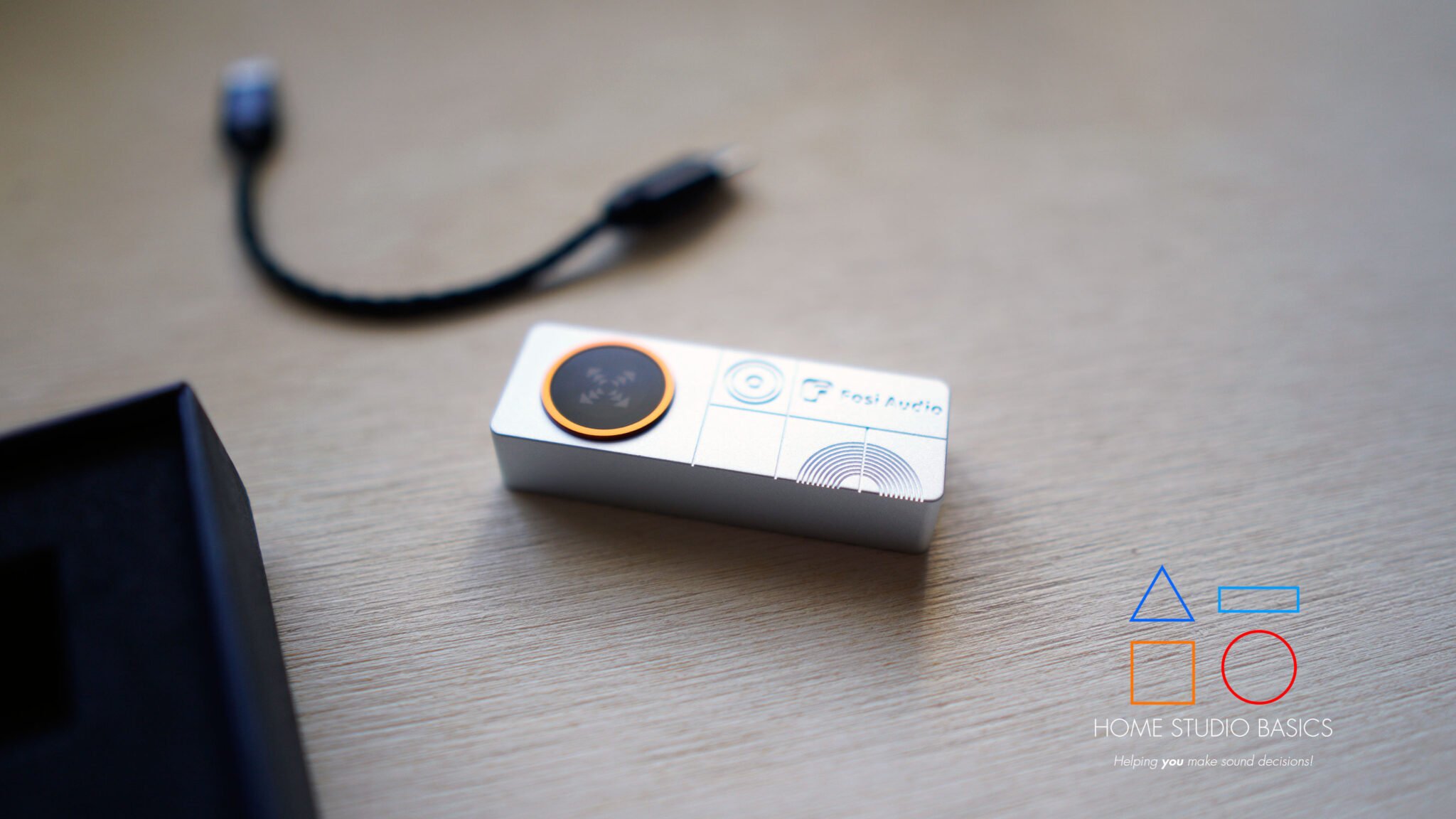
Weighing in at around 16g, it’s fairly light but doesn’t feel cheap like, say, a Hidizs S9 Pro.
Purportedly for both gamers and audiophiles, it features a gaming mode, FPS sound, Virtual 7.1 Surround mode, and gain staging.
Gamers
Hold the volume + or – button while powering on to activate game mode.
Press and hold both buttons simultaneously to switch among No Effect/FPS Sound/Virtual 7.1 Surround Modes.
Short-press both volume + and – to switch gain.
Audiophiles
Long-press both buttons to switch filters. Default is filter 1. When switching, Filters 1-7 are indicated by one flash, while filter 8 is indicated by 2 flashes.
Short press both volume + and – to switch gain.
Speaking of gain…
Power Output & Other Important Metrics
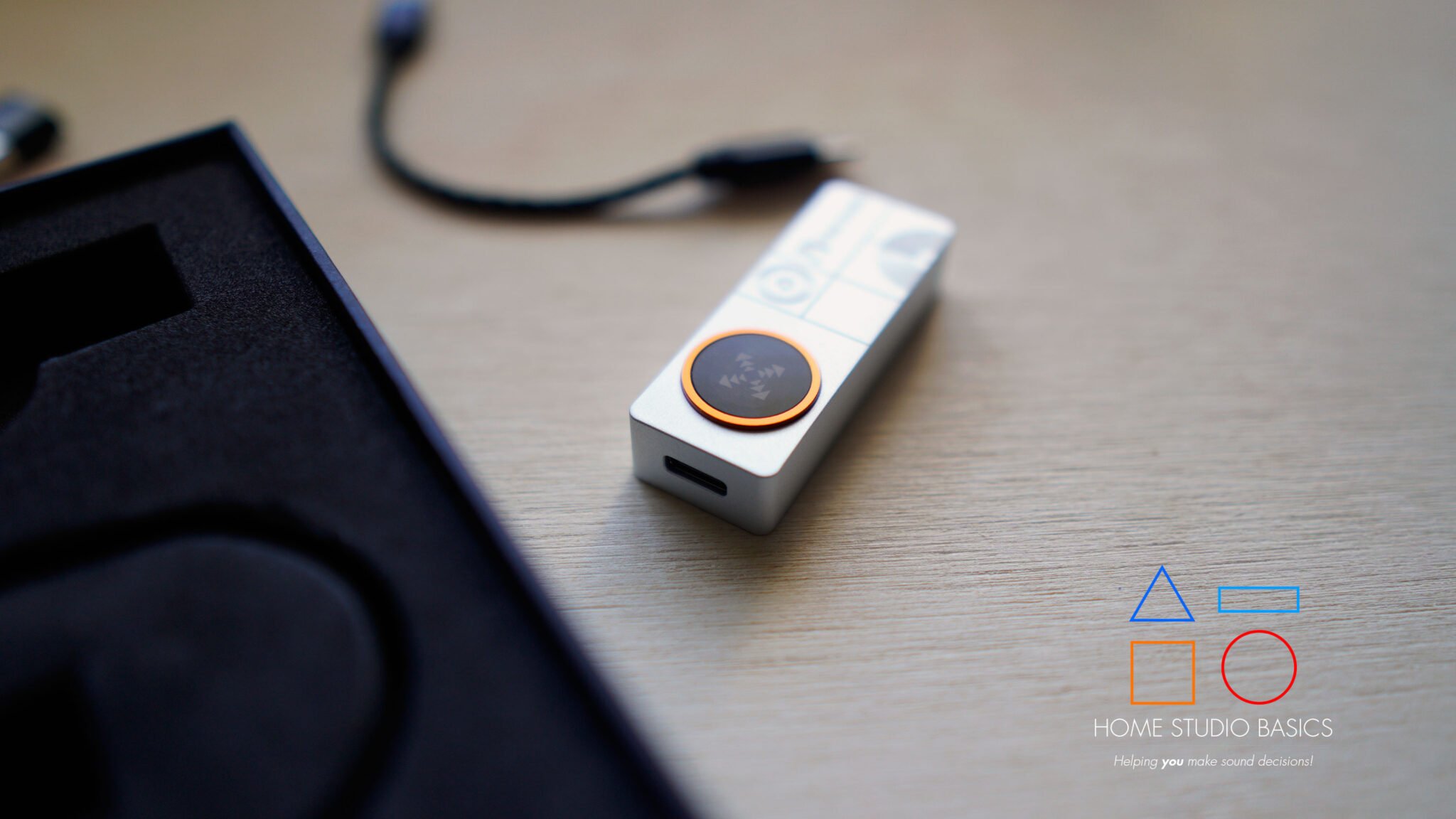
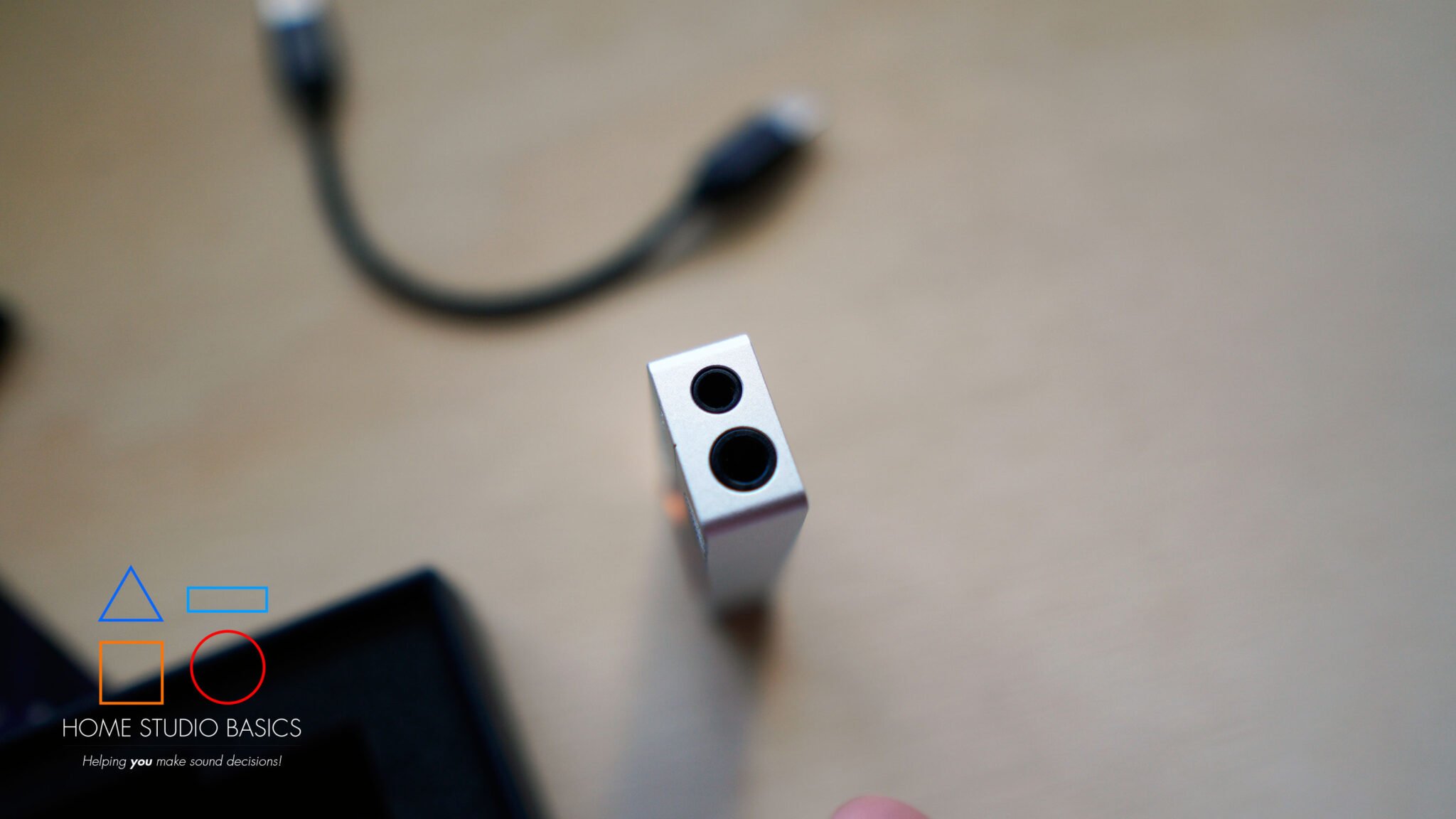
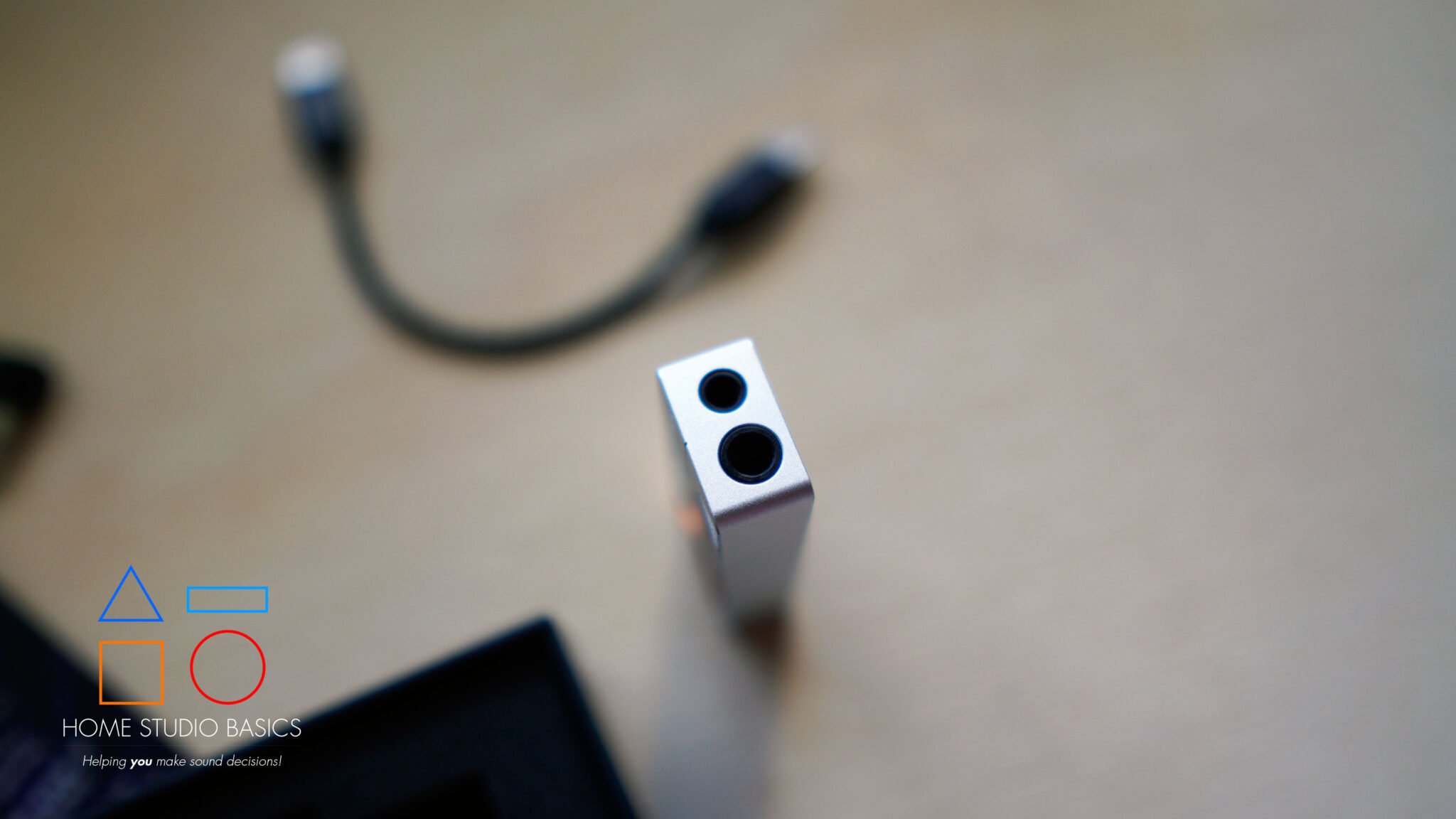
The DS3 provides both 3.5mm single-ended and 4.4mm balanced outputs, delivering 240mW into 32Ω out of the single-ended jack, and 440mW into 32Ω out of the 4.4mm balanced output.
Keep in mind, this is total power. Per channel, you’re looking at 120mW single-ended and 220mW balanced.
Additionally, the unit provides a strong SNR (Signal-to-noise ratio) of 122dB, well above the 90dB standard. This means that you can expect a squeaky-clean signal with absolutely no issues.
so DON’T OVERTHINK IT!
Related Video:
Performance
- Playlist(s): Here, Here, Here, & Here
- My Music: Here
- Source(s): FLAC, Lossless
- Headphones/IEMs used: Fosi x Community “Rock Lobster”, FiiO FT1.
Per Fosi, headphone impedance recommendations range anywhere from 16Ω to 300, and that seems about right here.
You won’t have trouble driving the majority of headphones, and IEMs are even easier. This is because they tend to be a lot more efficient, with higher Sensitivity ratings and generally lower impedance values.
Speaking of, right now I’m rocking the Apos X Community “Rock Lobster” IEM while demoing the DS3 for you.
And rest assured, it’s smooth sailing, with excellent overall performance and a clean, black, neutral backdrop for your tunes.
Fosi Audio DS2 vs. DS3
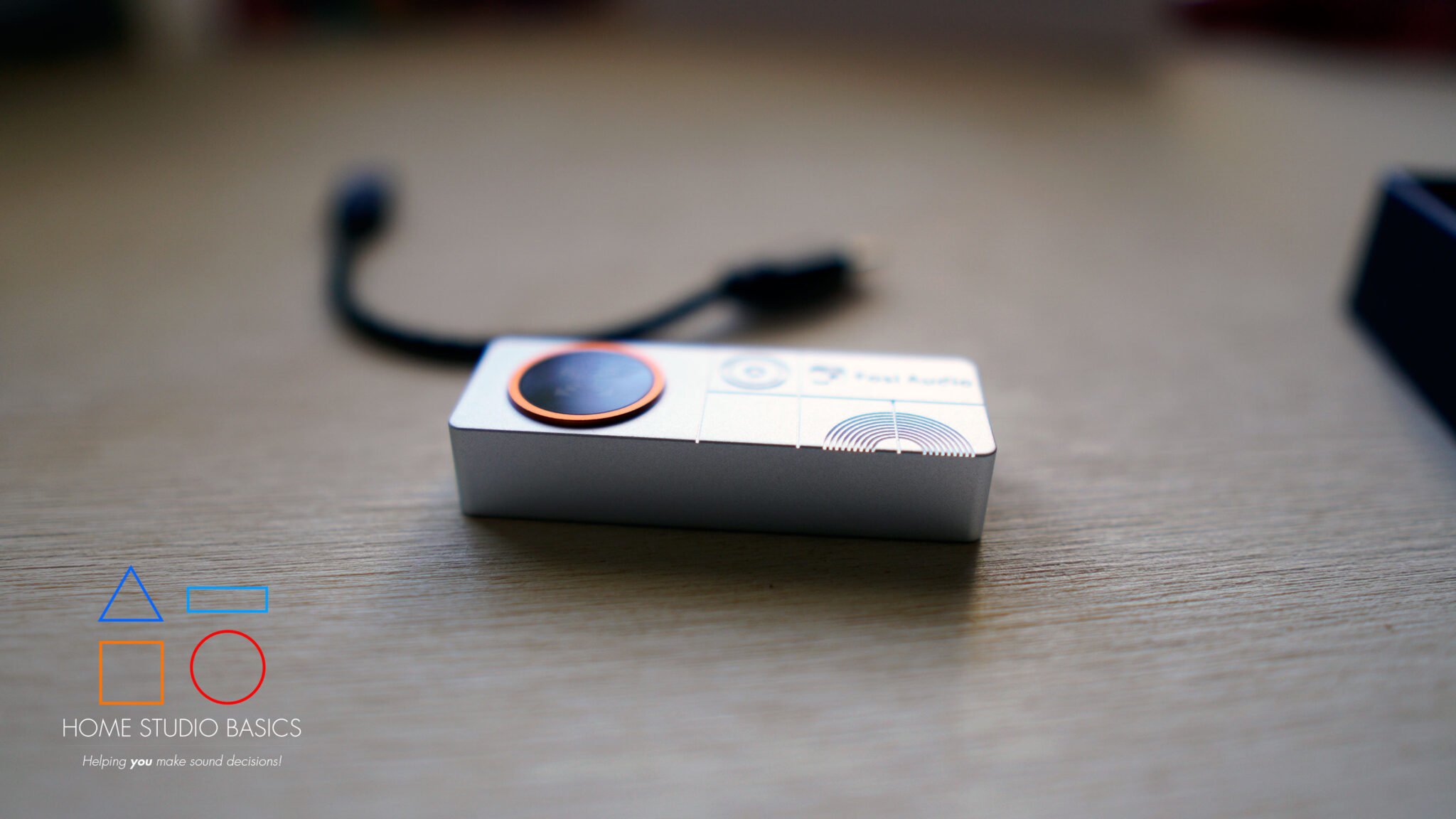
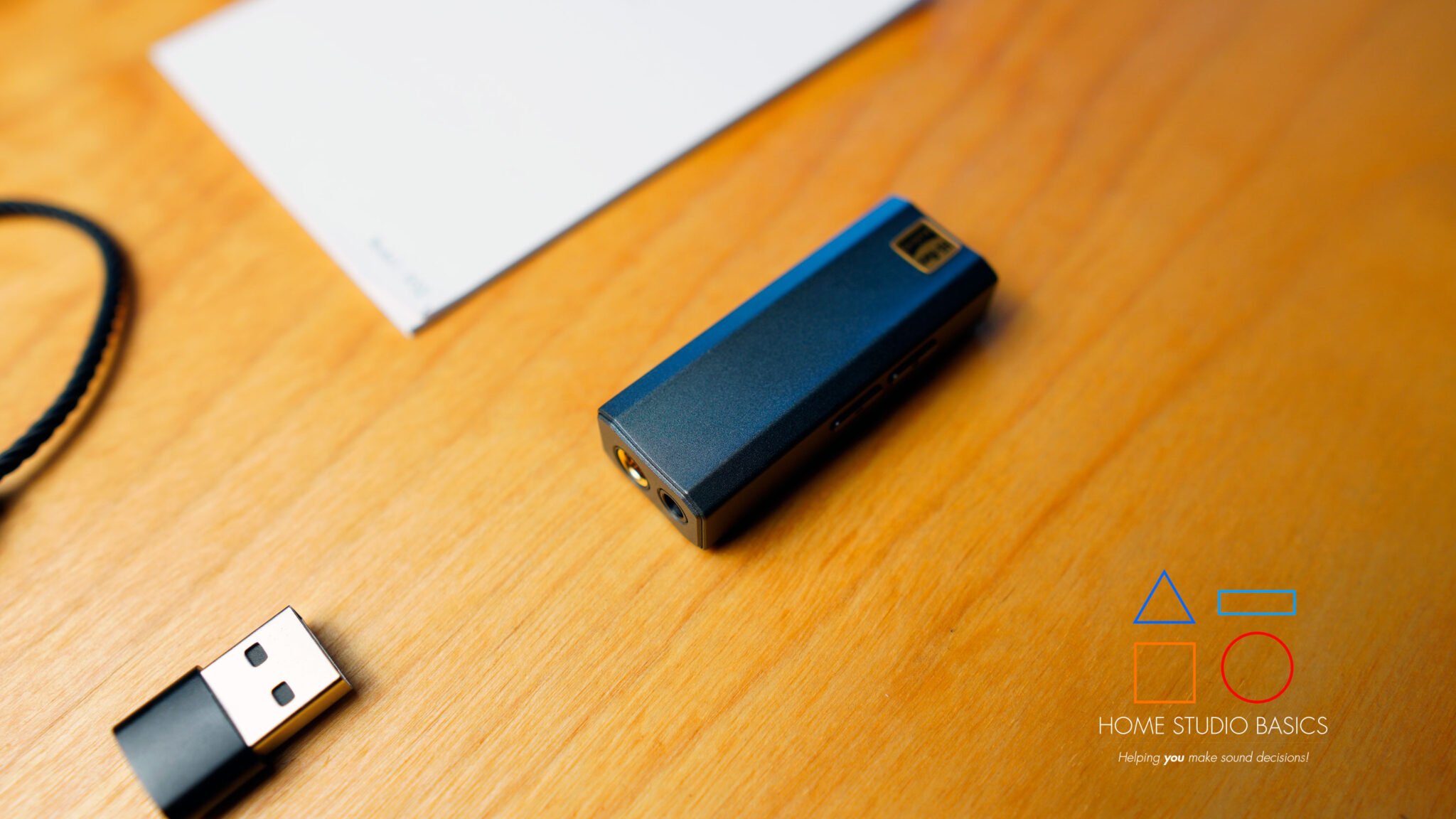
The DS3, to me, is technically an upgrade since it supports higher sample rates, higher DSD (512 vs. only 256), and provides more total output power (240mW single-ended, 440mW balanced).
Gaming mode, FPS, and 7.1 provide even more value, but please make sure you have the files necessary to stream 7.1. Streaming services typically only have 5.1 at most, so you’ll need to do some digging in order to utilize this feature.
When switching modes, the red light on the back will flash to white and then back to red. Also, the gain function works as intended, and when on high gain, the red light flashes indefinitely until you switch back to low.
In terms of other specs, SNR isn’t quite as good as the DS2 (130dB vs. 122), but it doesn’t matter much. As long as it’s above 90, you can expect a clean signal free of distortion.
Other Notes
On certain systems that use exclusive USB audio access mode, the volume control on the DS3 may be disabled.
The DS3 has no built-in battery and is powered directly via USB from the connected device.
The DS3 may become warm during use, which is normal due to its high-performance DAC and amplifier circuitry.
Before we give a final verdict, let’s touch on some things I liked and what can be improved.
Recap
What I liked
- Power got an upgrade.
- 4.4mm option.
What I disliked
- Again, Fosi, PROVIDE A LIGHTNING CABLE OR ADAPTER IN THE PACKAGE FOR IPHONE USERS. This irritates me to no end. I complained about it in the DS2 article, still recommended the DAC, and nothing changed in the DS3.
As far as adapter gate, fortunately, and ONCE AGAIN, iFi’s Go Link (a product I own) provides a USB-C female to Lightning adapter, seen here:
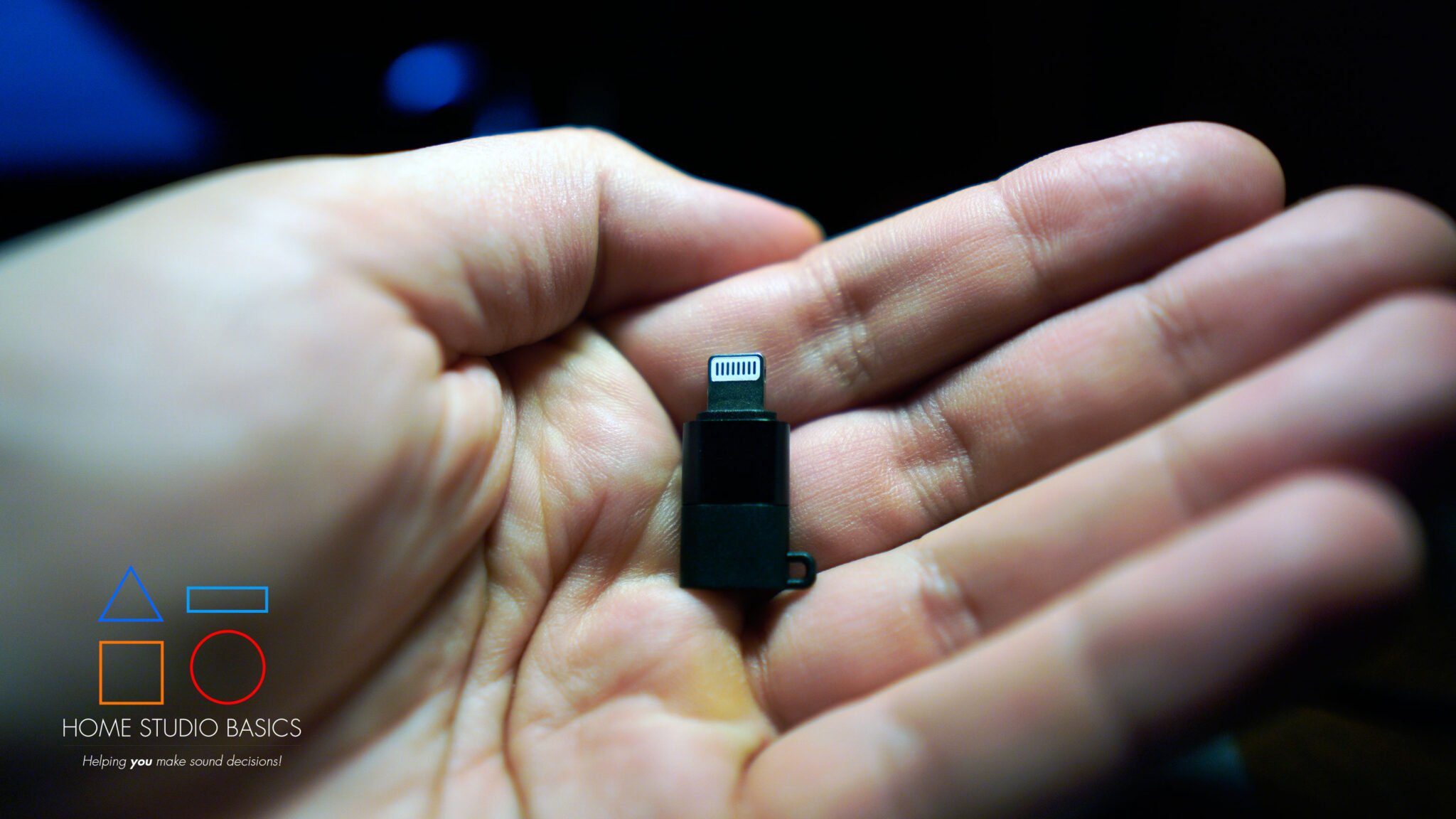
I spoke to the rep at Fosi about this, and here’s what he said:
“About the Lightning adapter: Using a Lightning adapter with official MFi certification would significantly increase the product cost. For this reason, such adapters are generally not included by default and are typically purchased separately by users. Including a non-MFi Lightning adapter would also pose compliance risks, so we intentionally do not bundle one.”
Final Verdict
Taking the above into account (particularly the limited impact of the gaming modes), there isn’t a strong reason to recommend the DS3 as an upgrade unless additional output power is specifically needed. In my own use, I didn’t encounter any headphones that were difficult to drive with the DS2, so the practical benefit was minimal.
That said, the DS3 is still a solid, well-built DAC that performs reliably in everyday use. If you anticipate needing the extra power & headroom, + you have 7.1 files ready to go, it can make sense as an upgrade. Otherwise, for most listeners, keeping or purchasing a DS2 is the way to go.
If you’re wondering about the ESS chip and if that has any bearing on my decision, no, it doesn’t.
Here’s the video again on why all that stuff doesn’t matter in case you missed it earlier:
Related Video:
My recommendation?
Get a DS2 if you have an Android or Go Link if you have an iPhone.
Fosi Audio DS3: Pricing/Box
In The Box

Fosi Audio DS3
USB-C to USB-C cable
USB-A to Type-C adapter
User manual
Instruction card
Specifications
Chipset
- DAC: ESS Sabre ES9039Q2M
- USB Audio Processor: XMOS Powered
- Input: USB-C
- Output: 3.5mm Single-Ended, 4.4mm Balanced
- USB Audio Class: UAC 2.0, UAC 1.0
Sampling Rate
- UAC 2.0 Mode: Supports up to PCM 32-Bit/768kHz, DSD Native up to DSD512, DoP up to DSD256
- UAC 1.0 Mode: Supports up to PCM 16-Bit/48kHz
Max Output Power
- 3.5mm SE: L+R≥120mW+120mW (32Ω, THD+N <1%)
- 4.4mm BAL: L+R≥220mW+220mW (32Ω, THD+N <1%)
- Frequency Response: 20Hz-48kHz (±0.2dB)
SNR
- 3.5mm SE: ≥122dB
- 4.4mm BAL: ≥120dB
Dynamic Range
- 3.5mm SE: ≥119dB
- 4.4mm BAL: ≥116dB
THD+N
- 3.5mm SE <0.0003%
- 4.4mm BAL <0.0005%
Other
- Headphone Impedance: 16-300Ω
- Weight: 16g
- Dimensions: 55x20x11mm
Well, that’s about it for today my friend! I hope you’ve enjoyed this Fosi Audio DS3 Review and came away with some valuable insight.
Questions? Comments? Requests? Did I miss the mark on something? Please leave them down below or Contact me!!
If you love what I do here and want to support the blog and channel in a more personal way, check me out on Patreon and discover all the value I have to offer you.
Does the DS3 sound like a true upgrade to YOU? I would love to hear from you. Until next time…
All the best and God bless,

-Stu
[Xtr@Ba$eHitZ] > Now AudioFiles Anonymous