
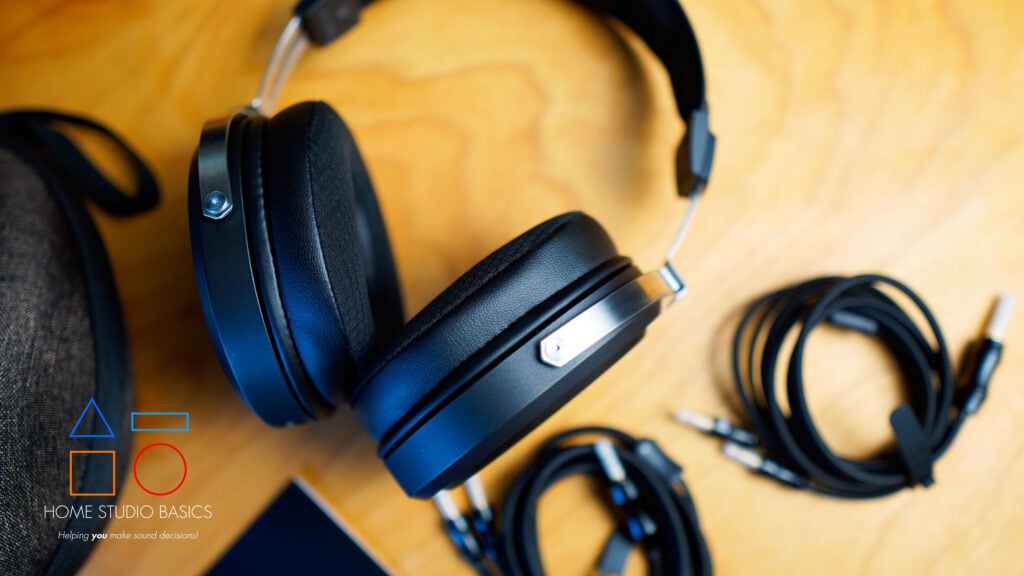
FiiO FT1 Pro Review: The Truth About “Pro” Headphones
Greetings mate and Welcome aboard!
Stuart Charles here, HomeStudioBasics.com helping YOU make sound decisions, so…
There’s quite a large handful of trash that gets slapped with the “Pro” moniker these days, but what about the FT1 Pro? Is FiiO just another copycat company trying to cut corners and circumvent the truth?
The truth that most headphones labeled Pro are actually shite?
Or, are their headphones actually THE truth?
Let’s dive in and find out.
This review will cover the FT1 Pro, and we’ll also compare the sound to the original FT1 and learn which you should use depending on your unique situation.
By the time you’re finished reading, you’ll be able to decide between them!
All specs, box contents, and pricing toward the end. Click here to jump.
What Is It? / Build / Overall Aesthetic

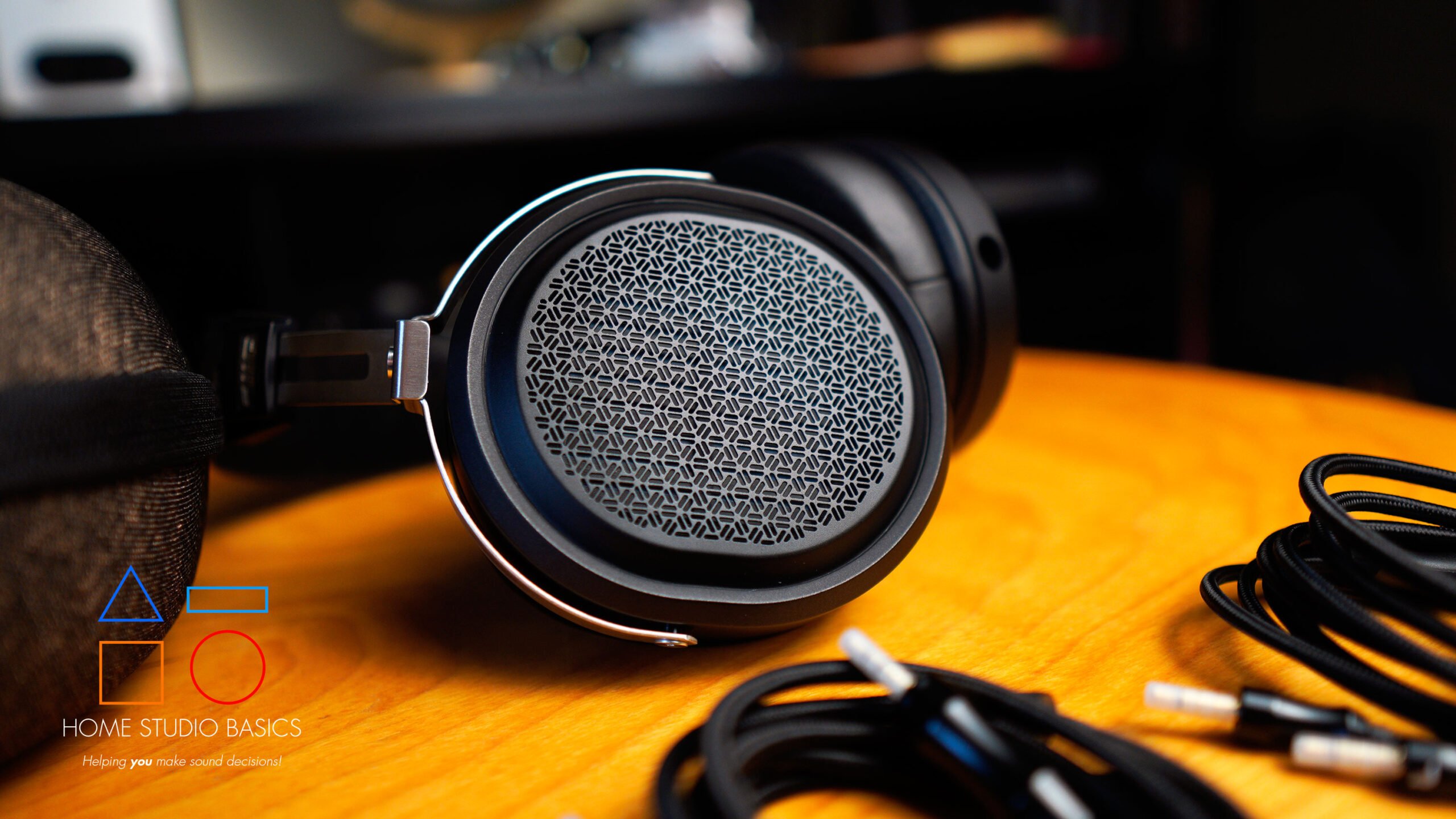
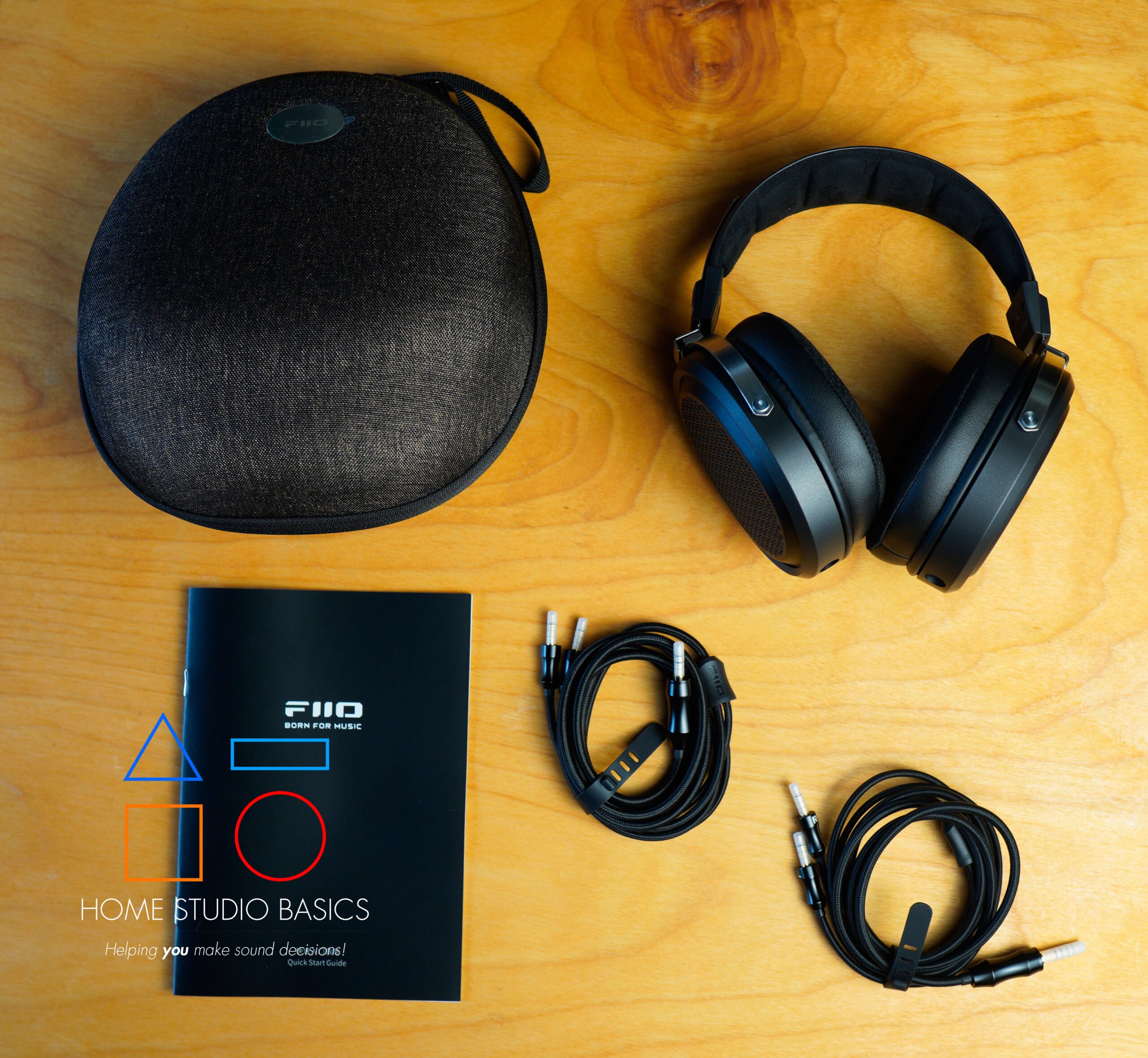
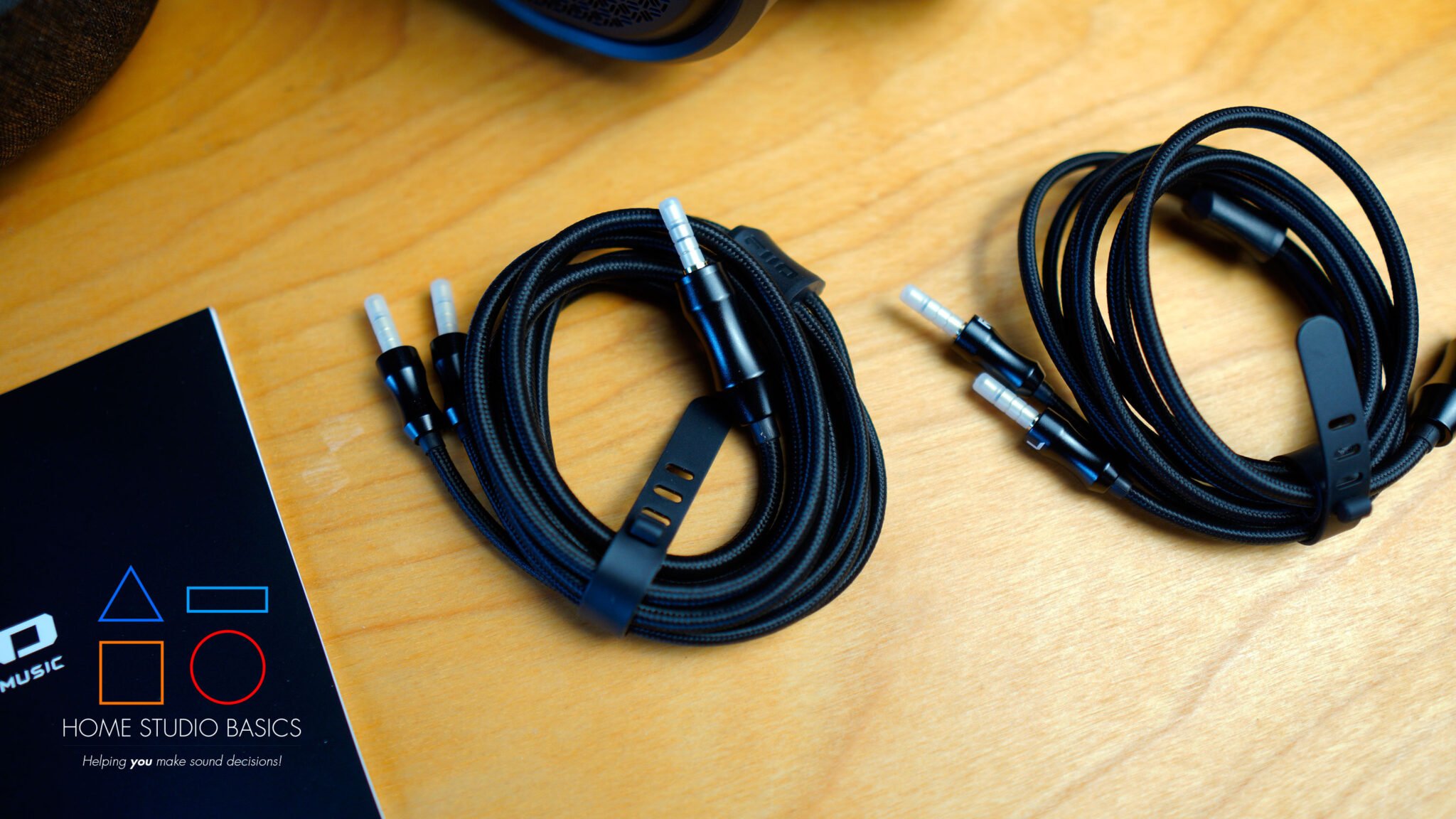
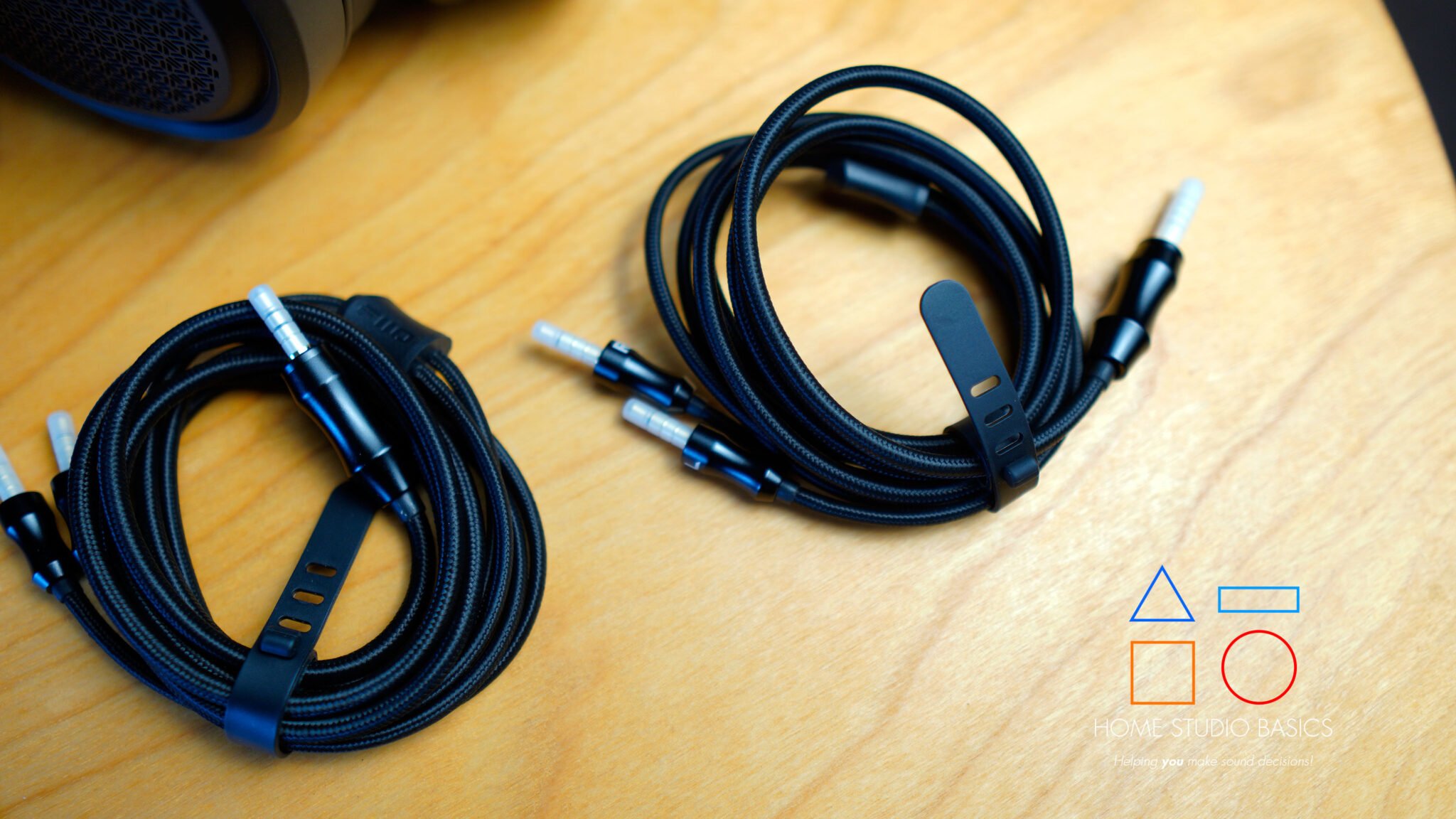
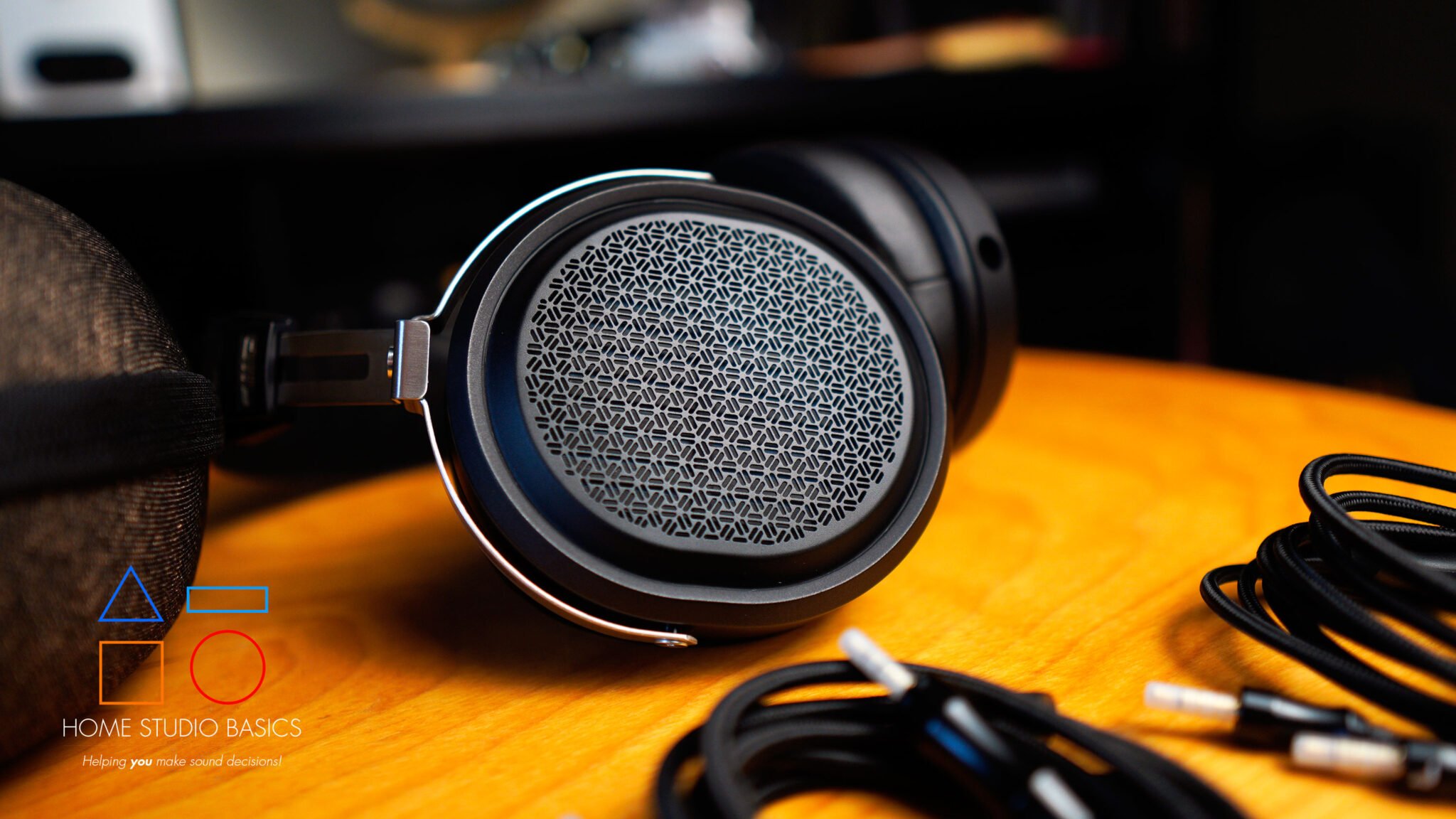
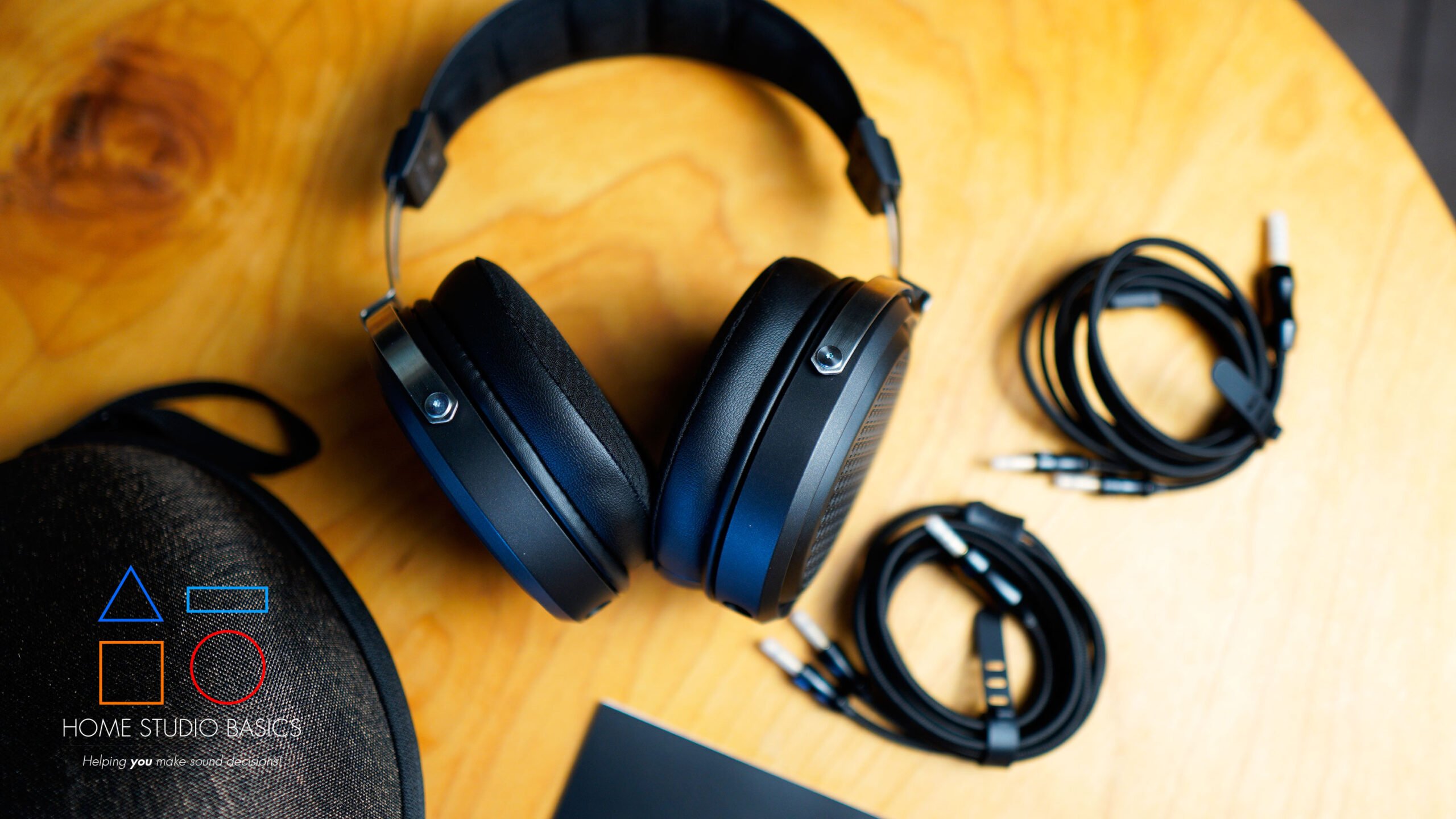
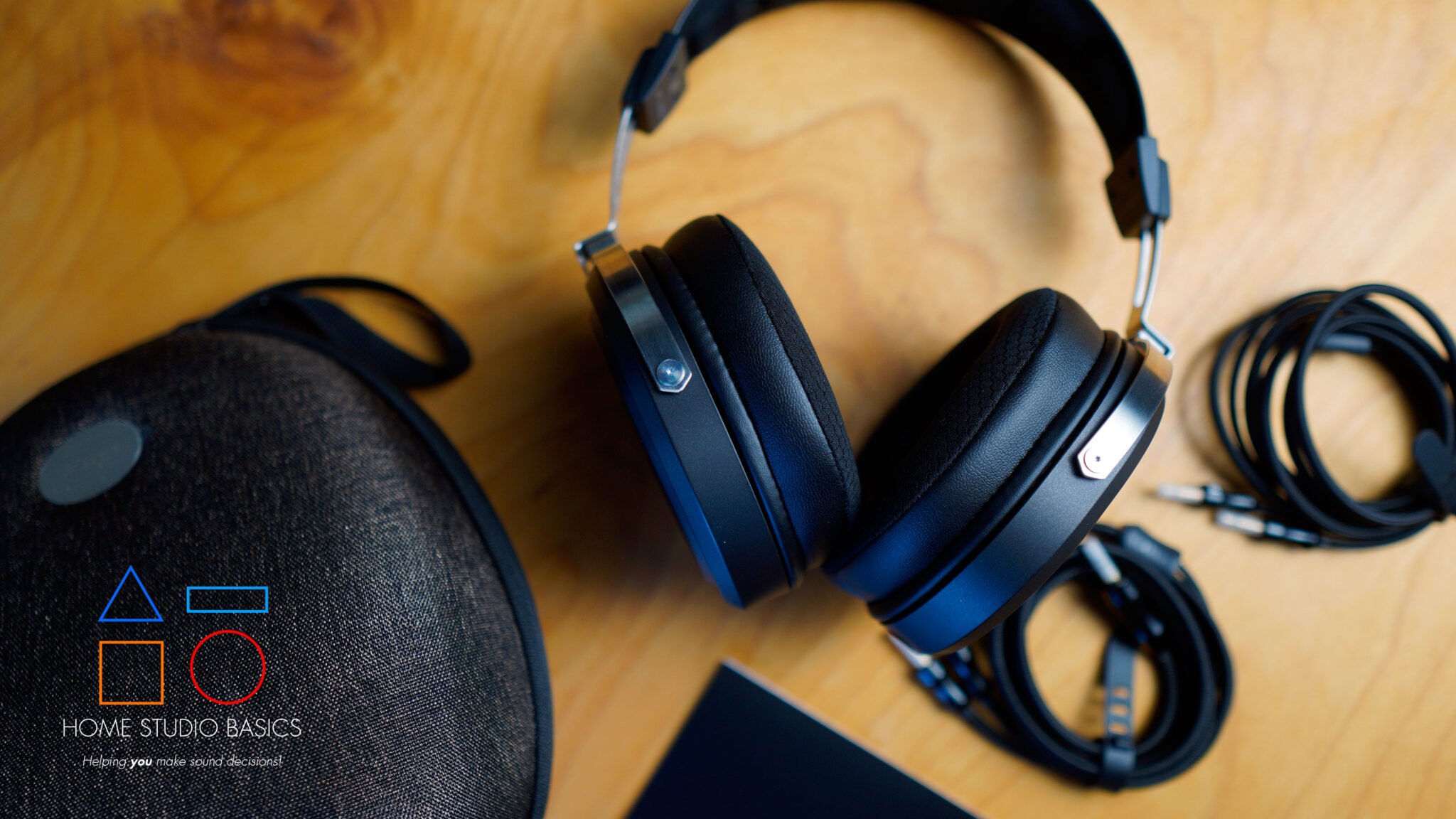
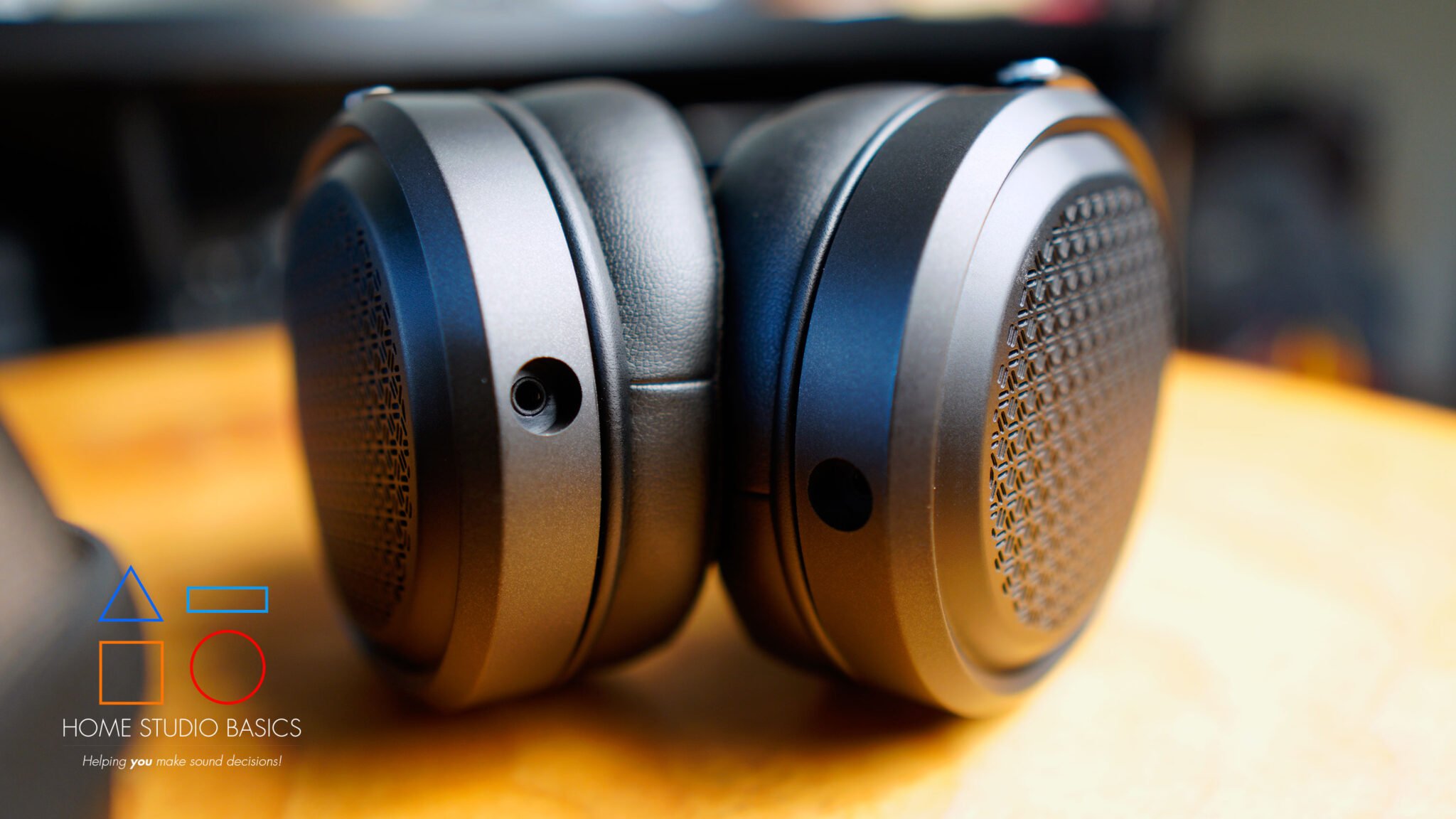
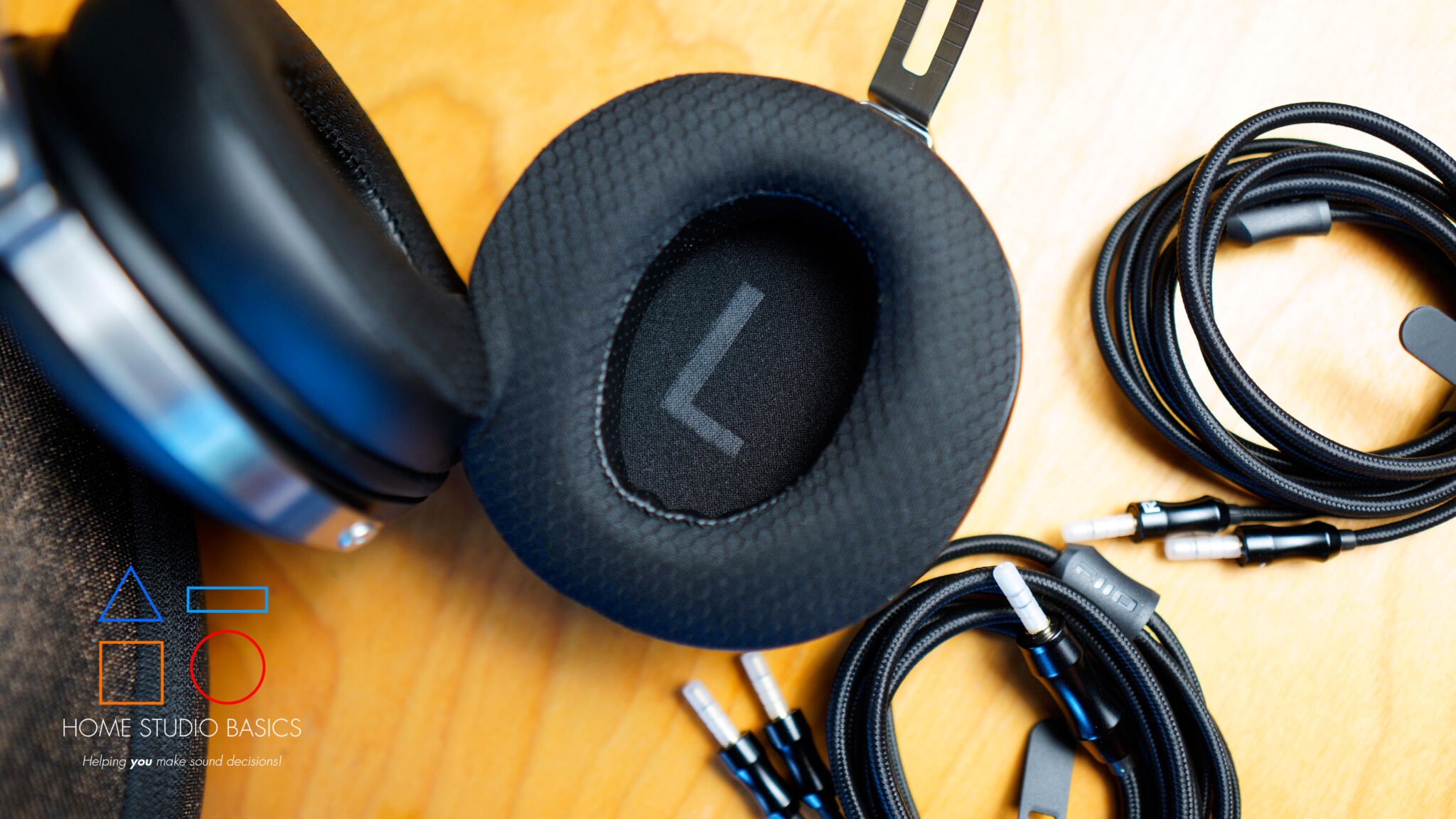
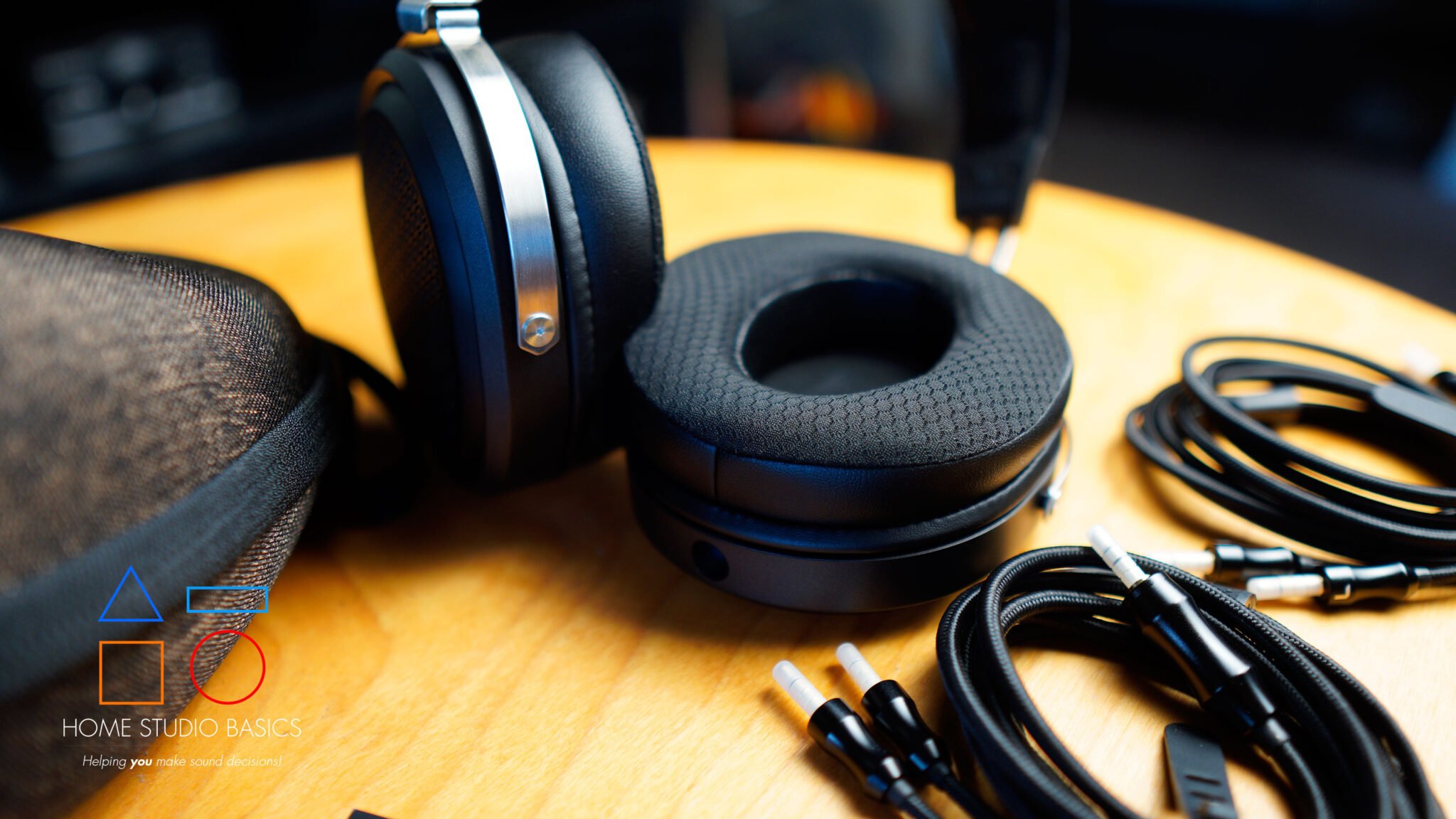
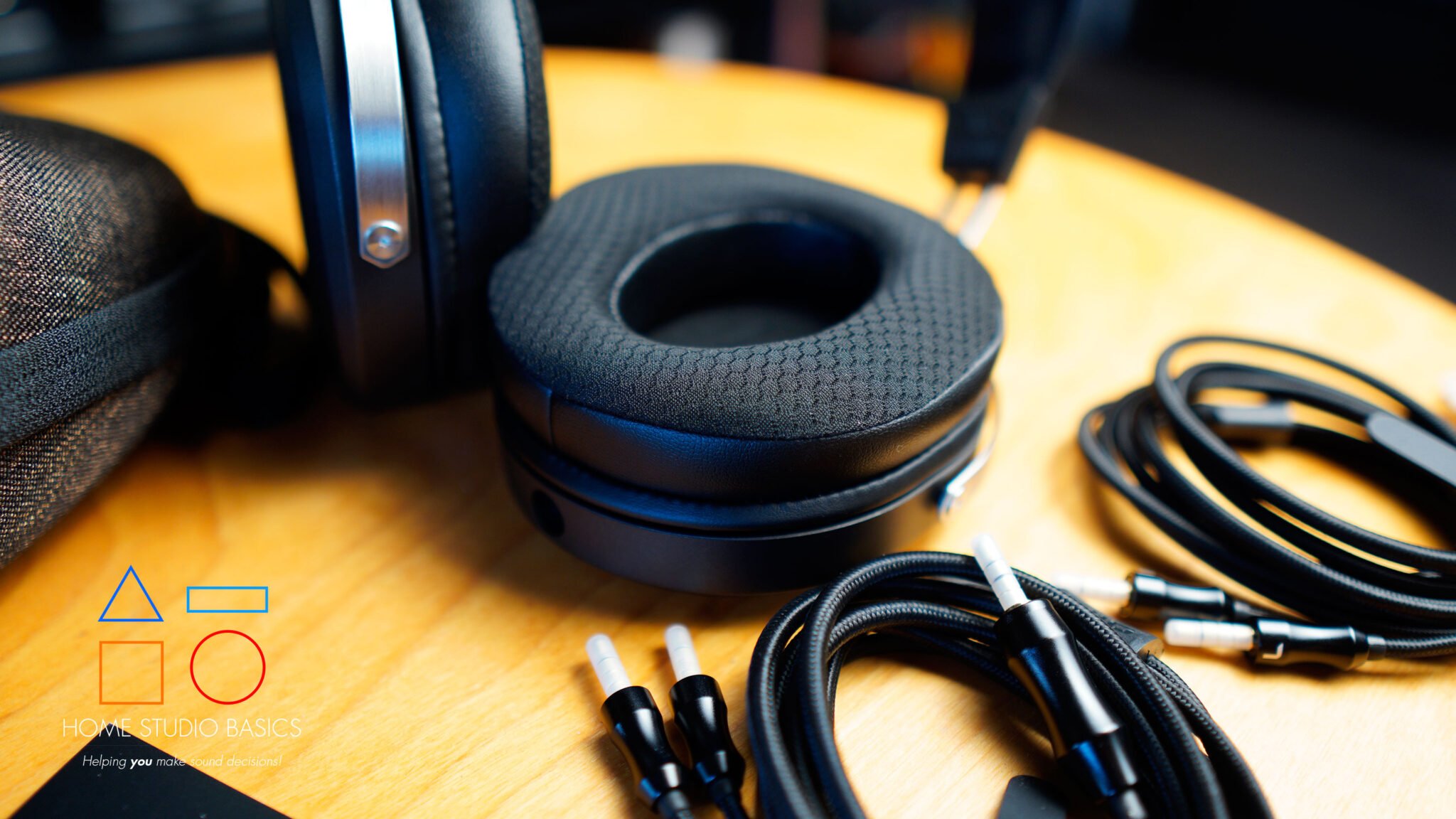
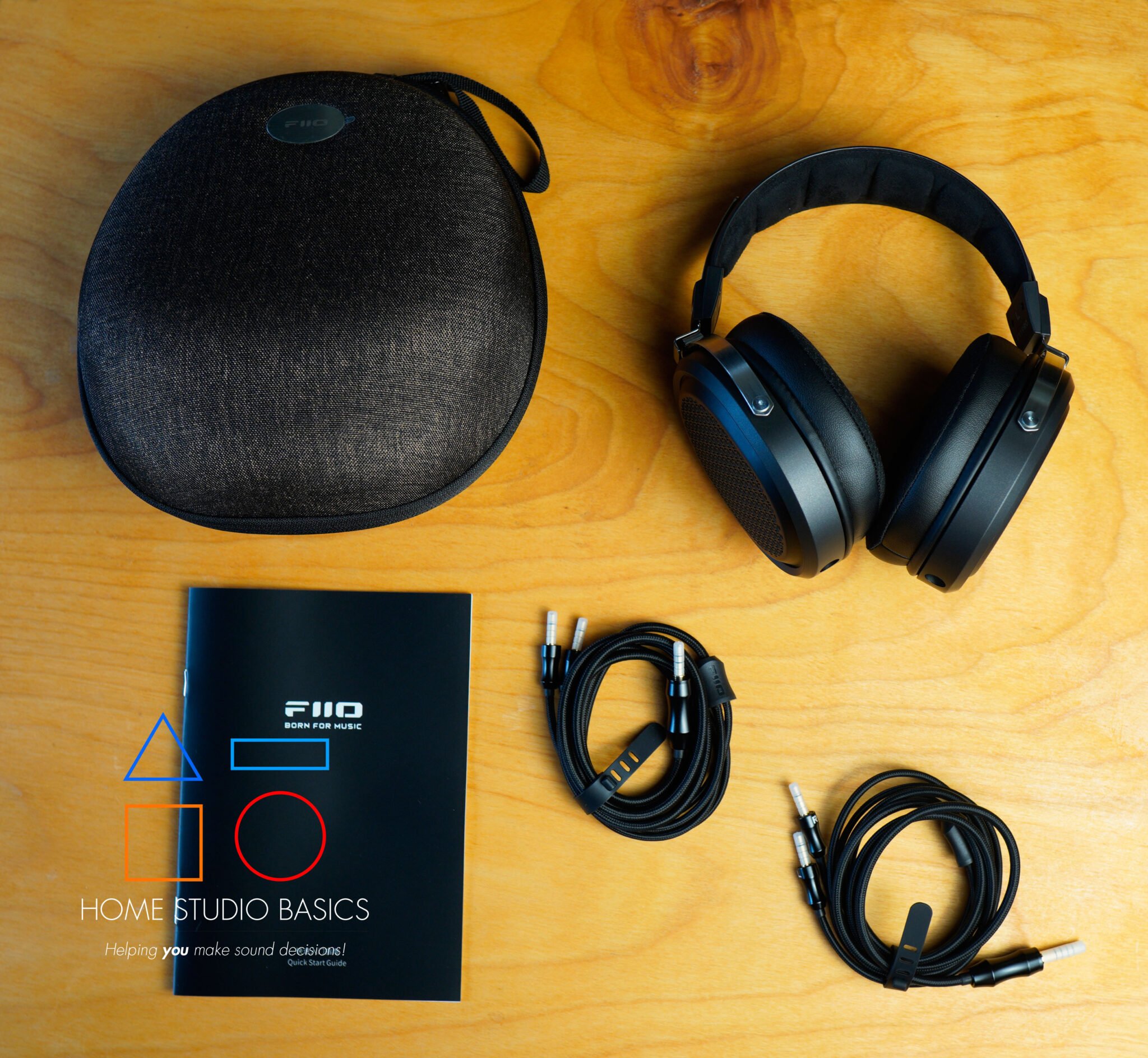
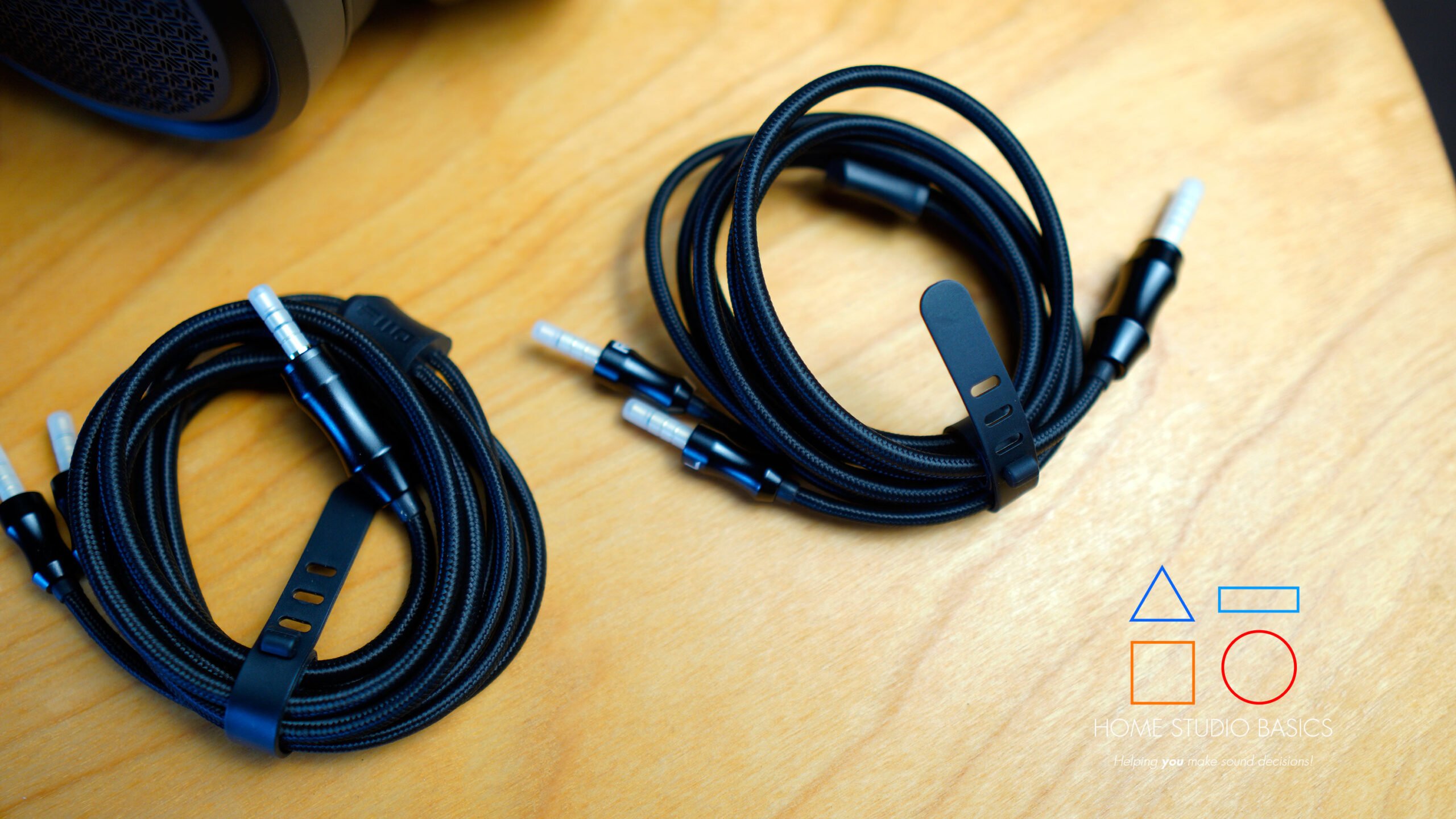
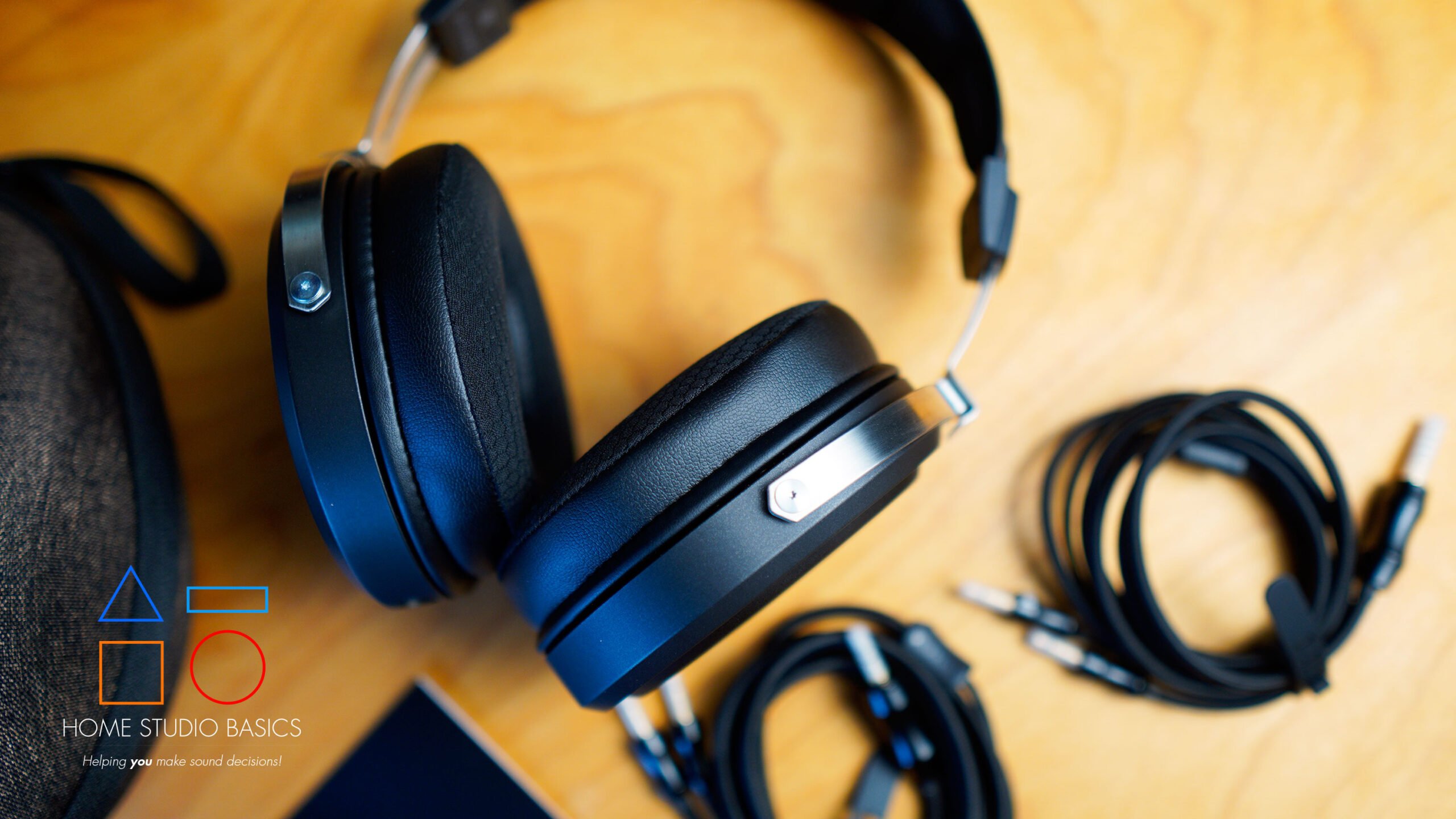
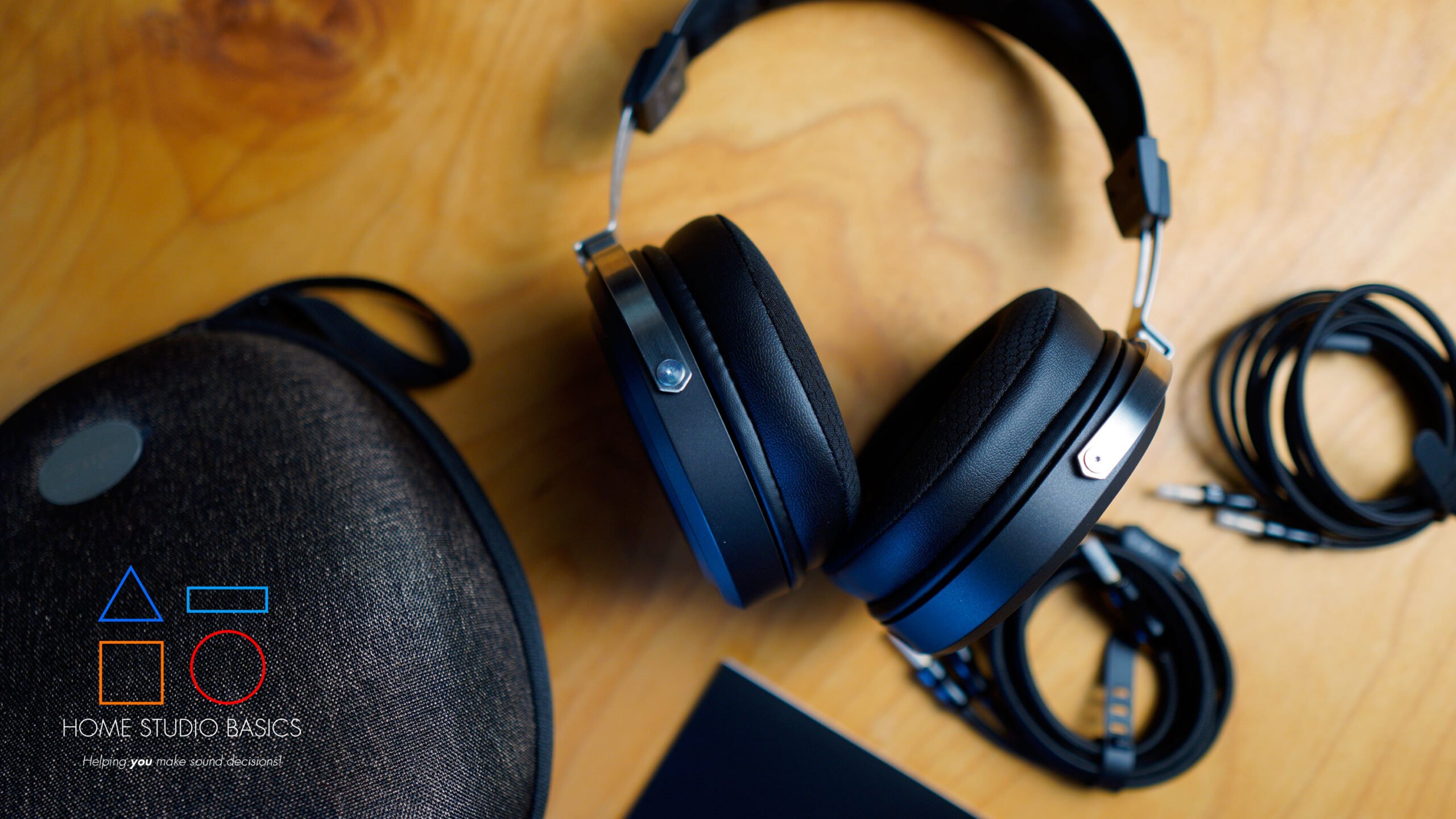
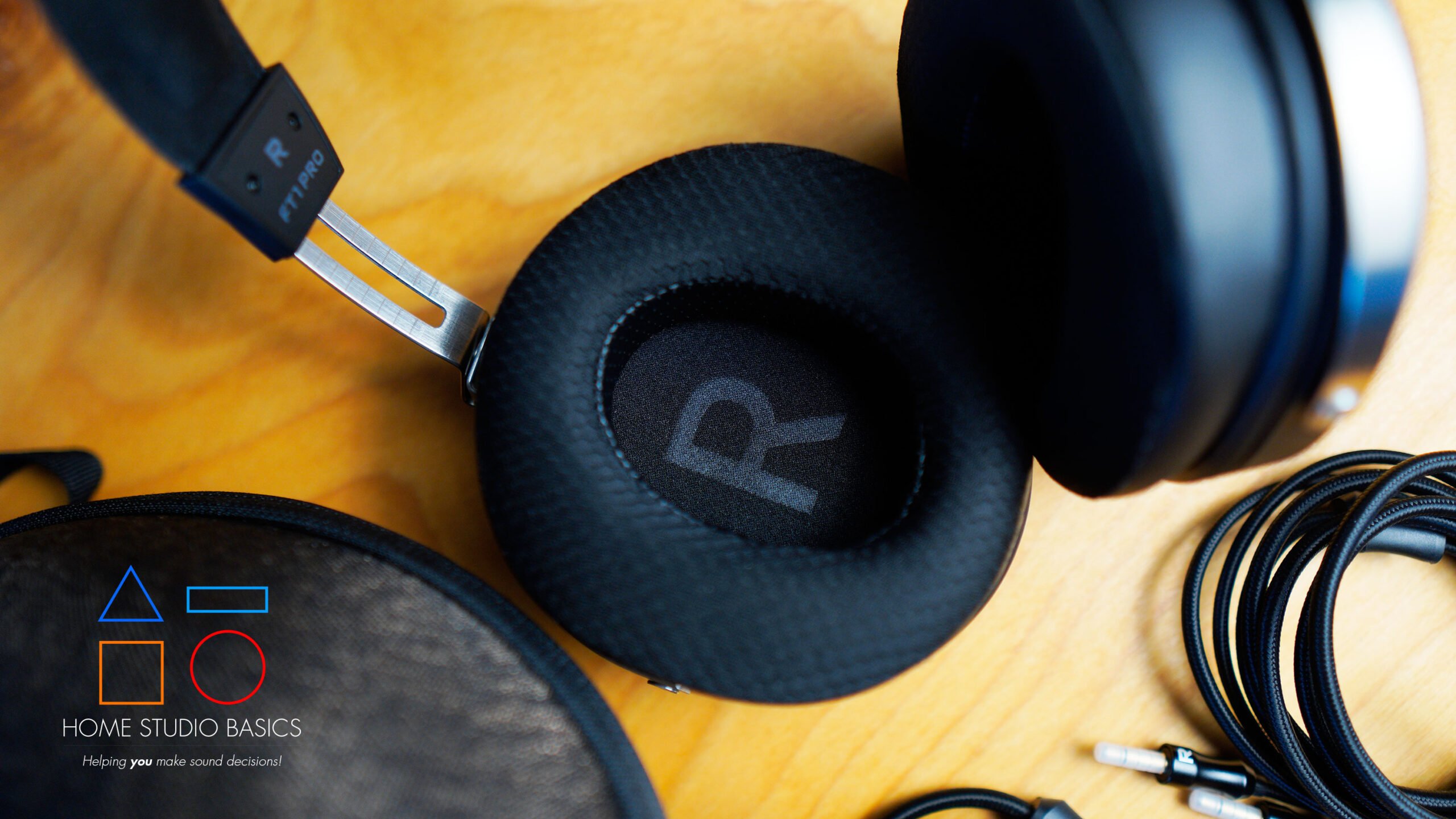
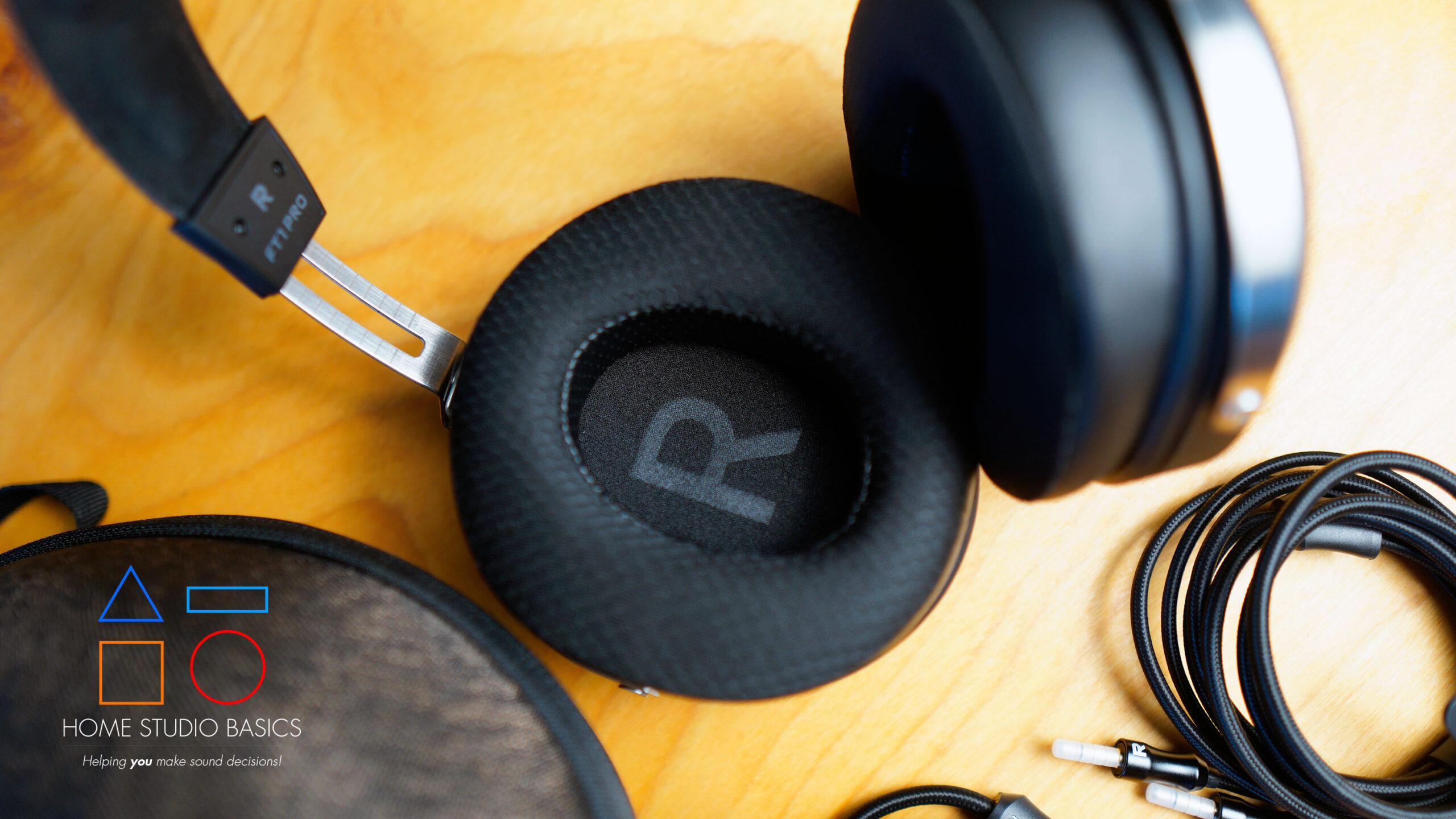
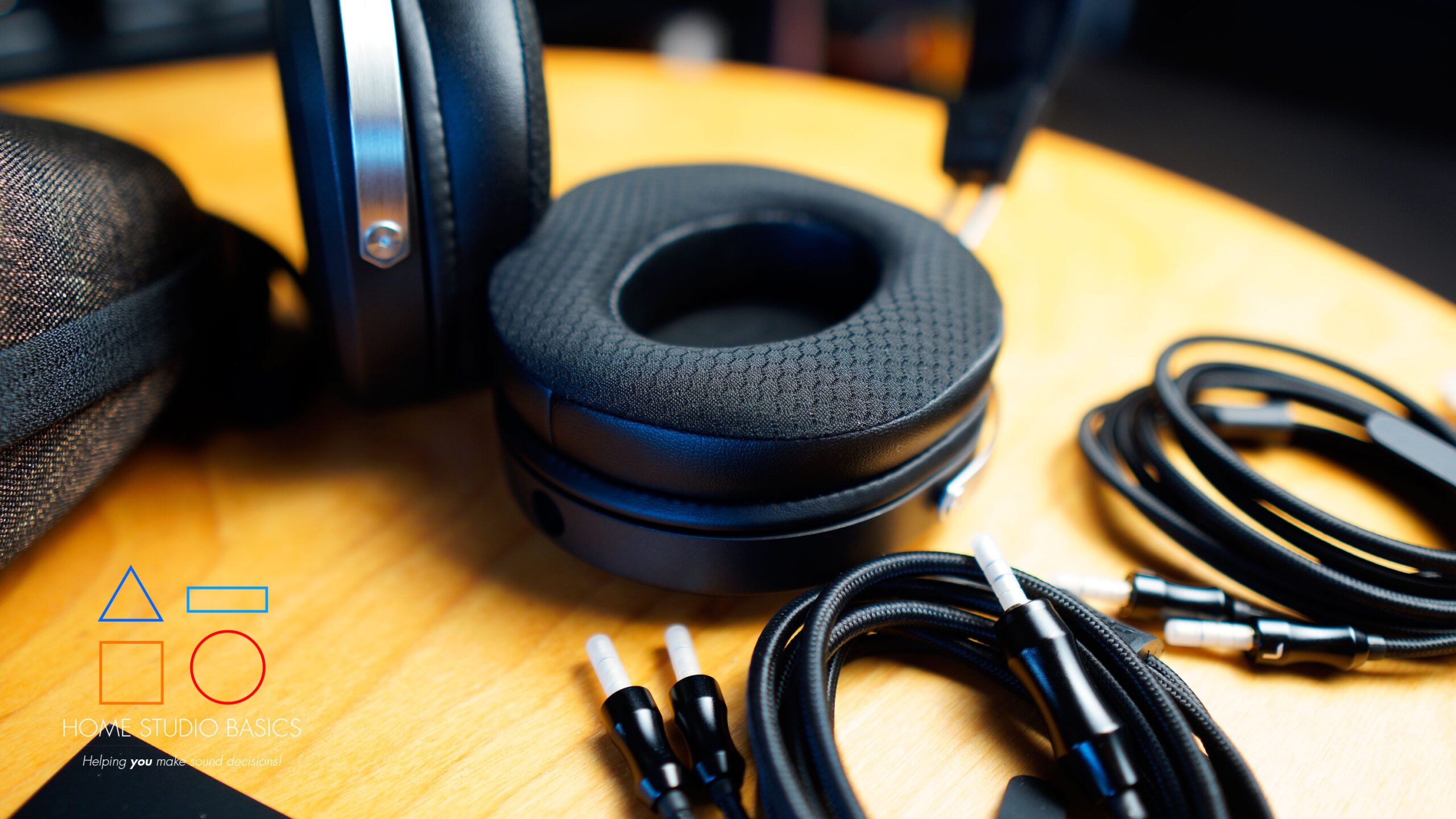
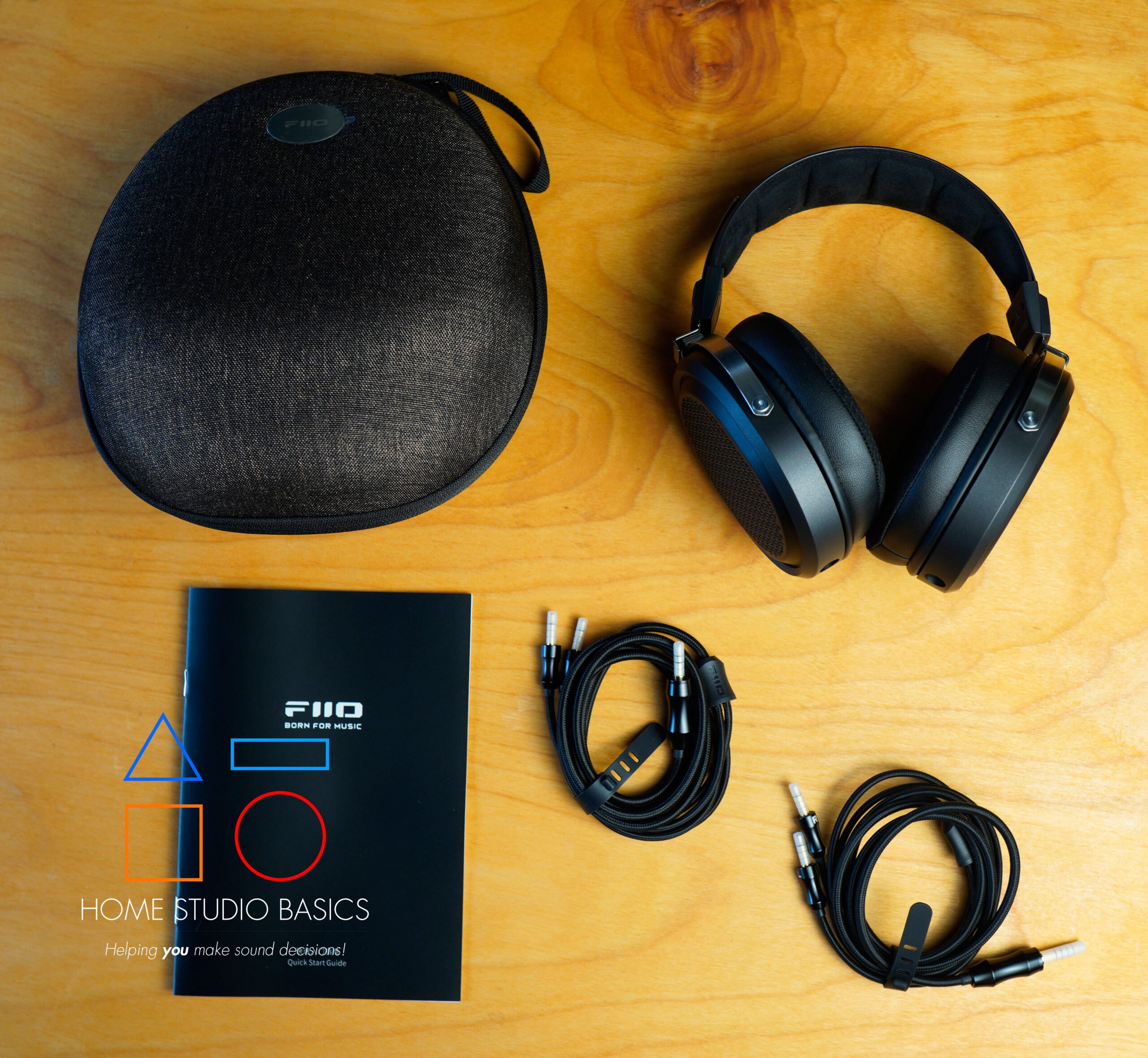
The FT1 Pro is an Over-Ear (Circumaural), Open Back, planar magnetic headphone that, like the FT1 Pro, comes with a beautiful hard shell carrying case and a choice of 2 silver-plated oxygen-free copper cables: a 3.5mm and 4.4mm (balanced). These cables insert into both of the cups, and connecting them is seamless.
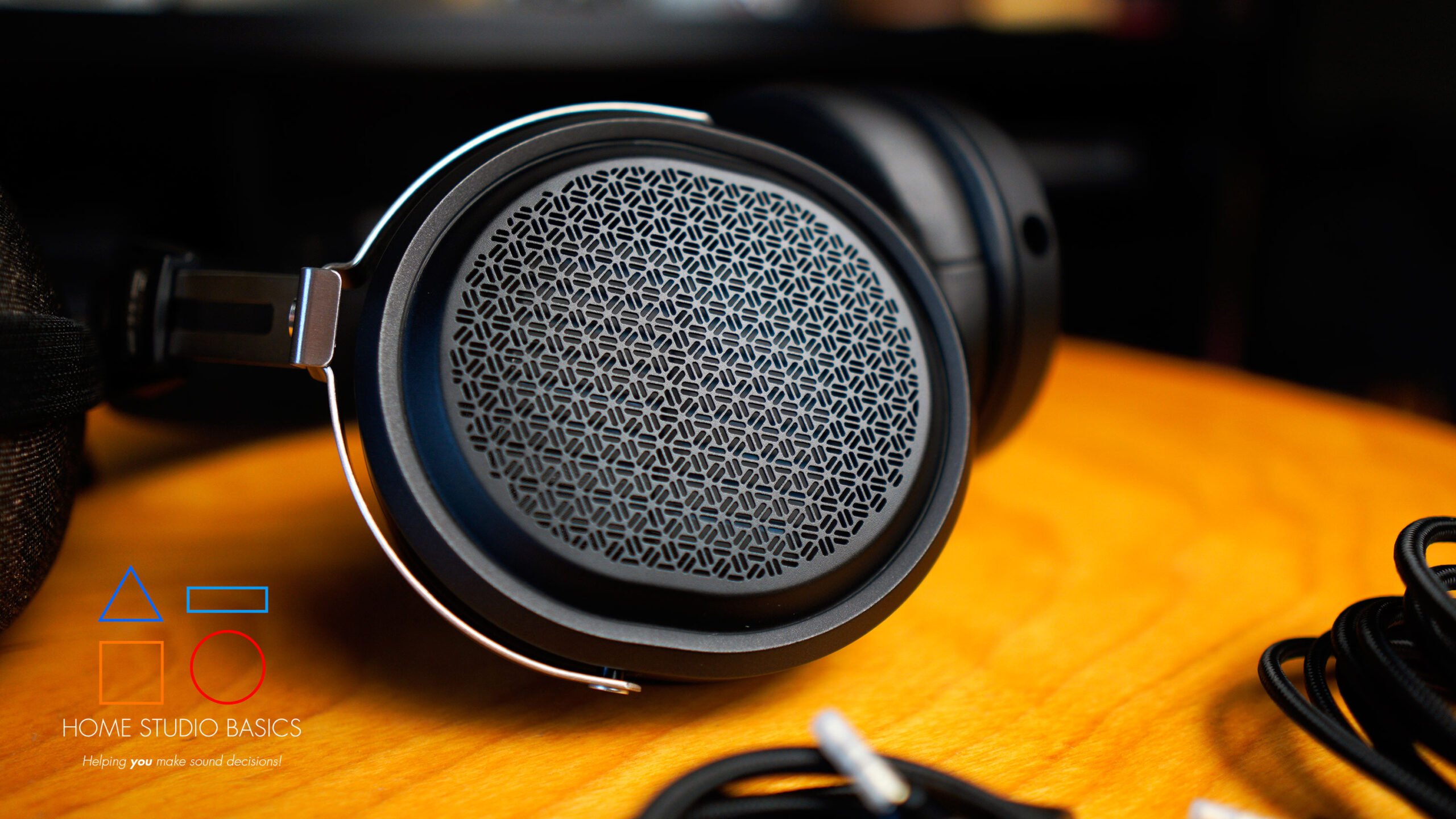
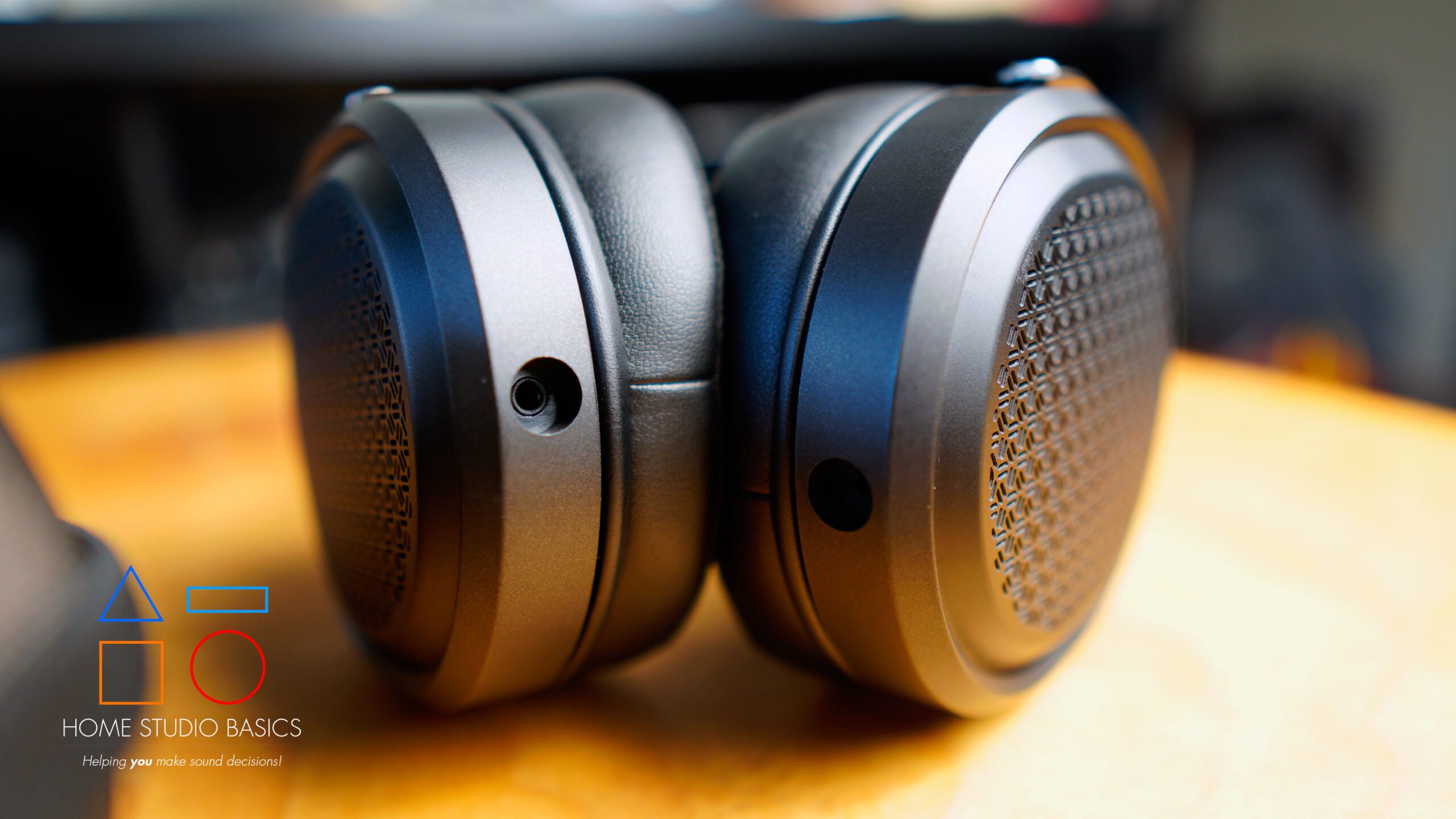
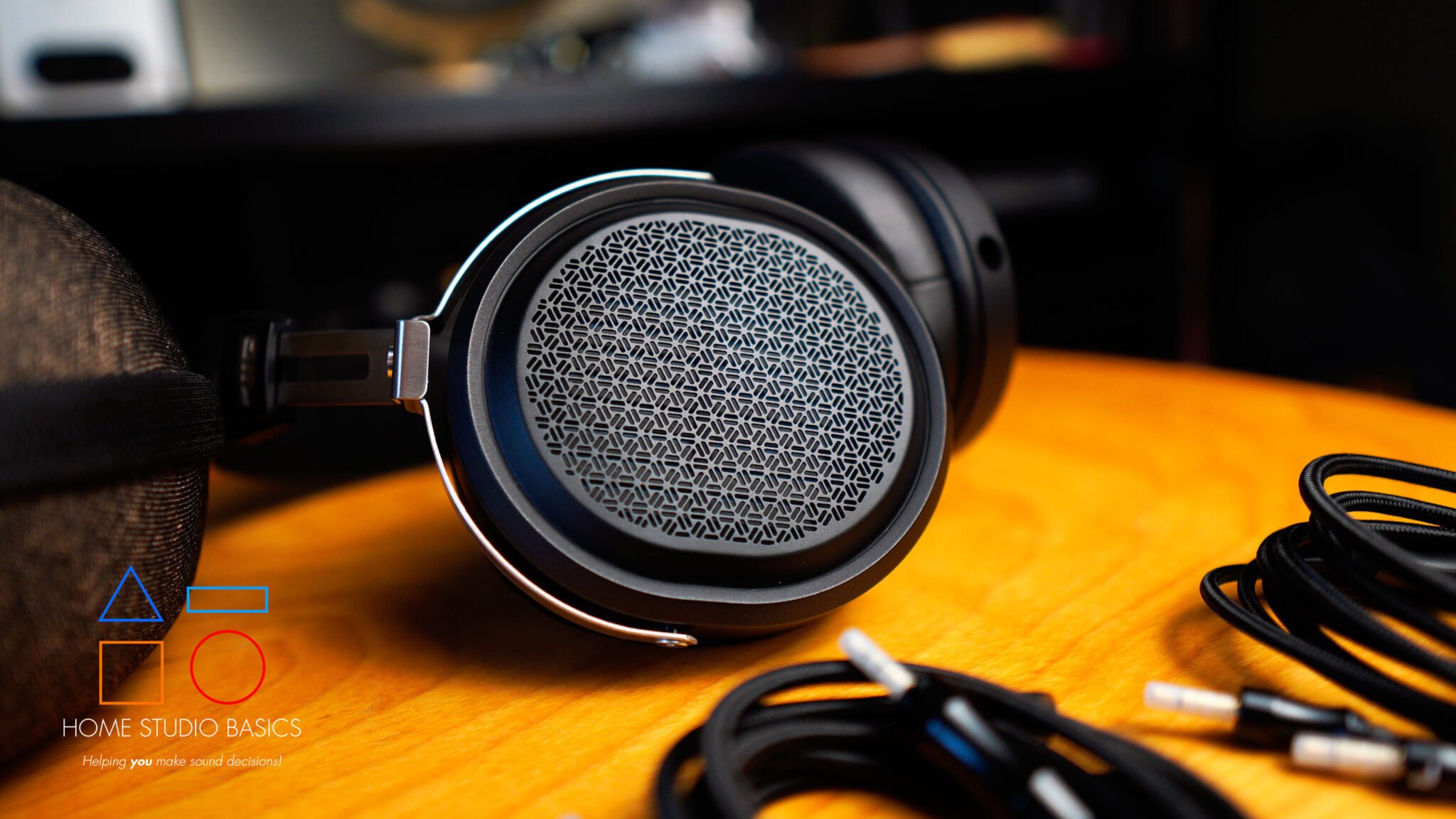
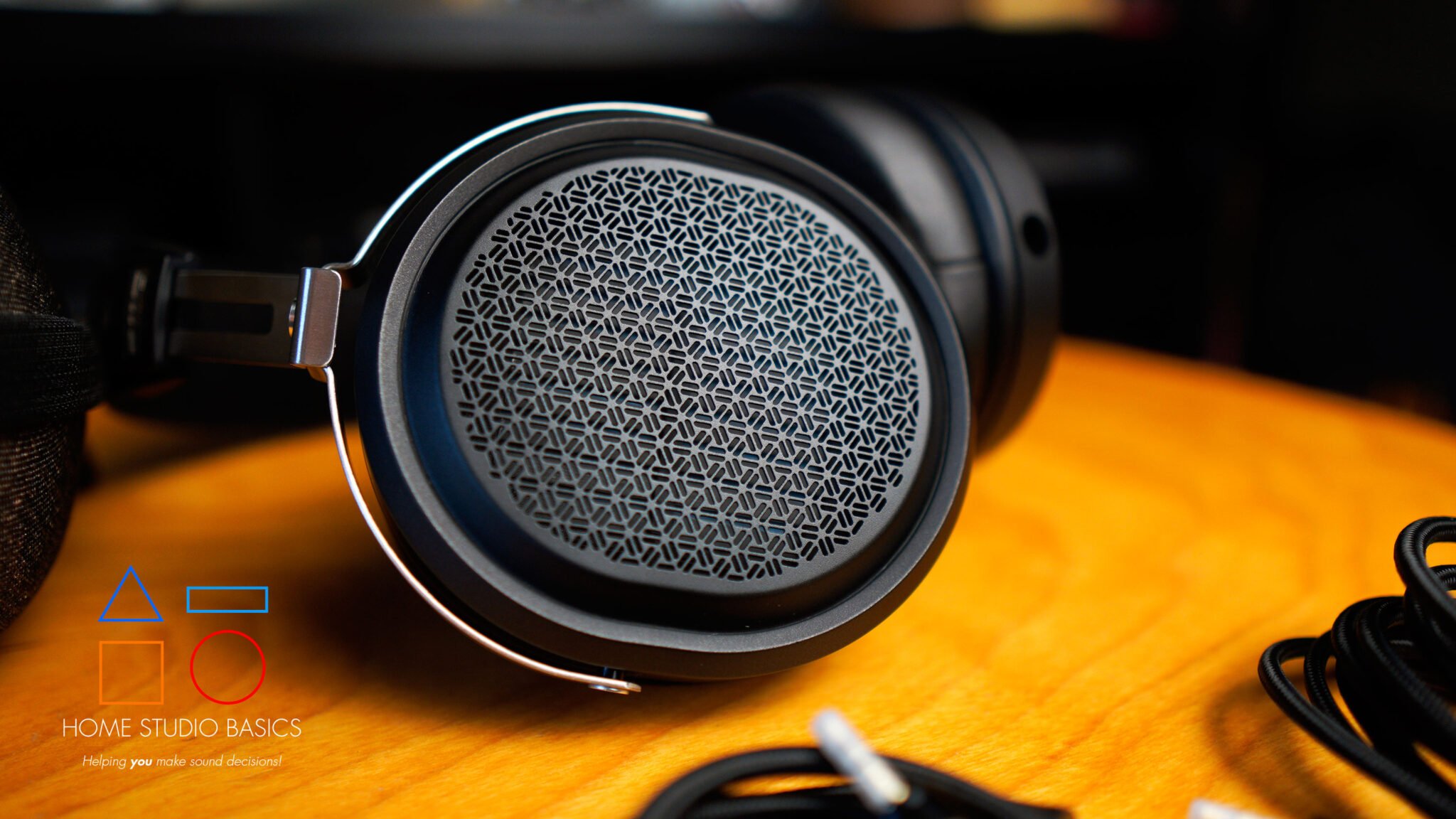
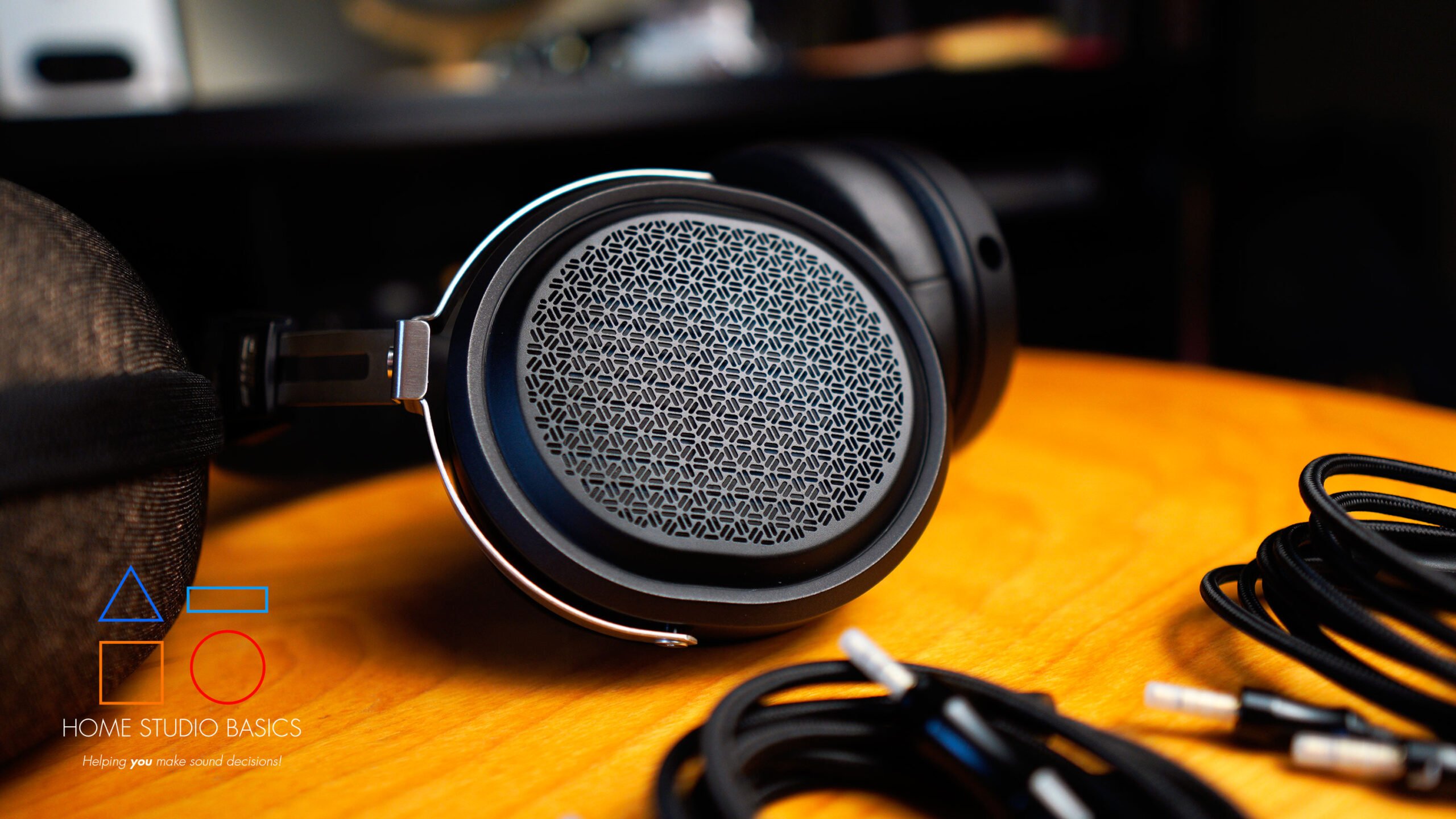
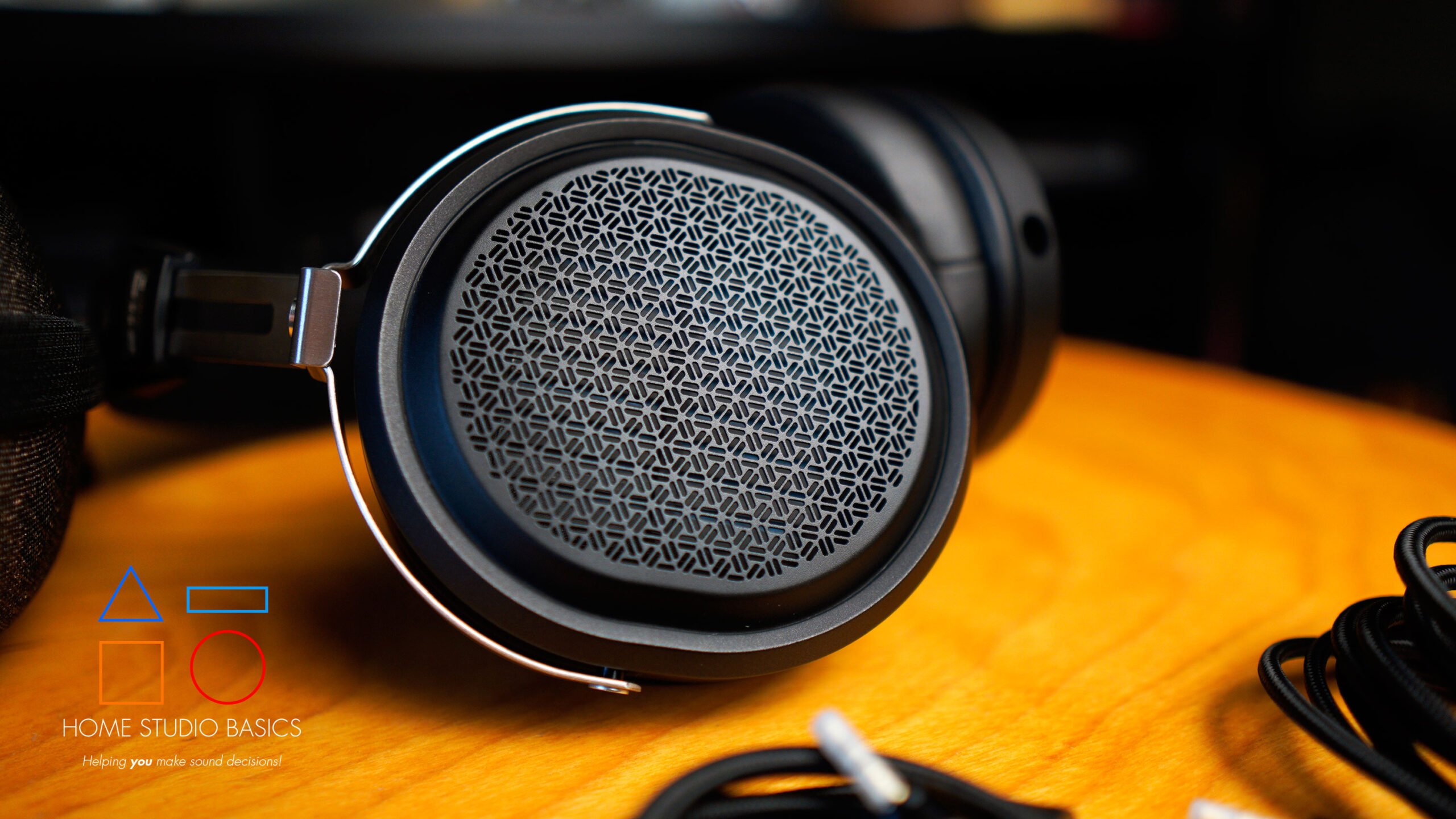
The FT1 Pro’s design almost completely mimics the FT1’s, only the cups are open and have a different look/pattern.
The FT1’s cups are more rounded and boast a wood finish (North American or Beech Wood), while the FT1 Pro’s are a bit flatter and I believe are made of a thin but durable aluminum paneling. Please correct me in the comments if I’m wrong.
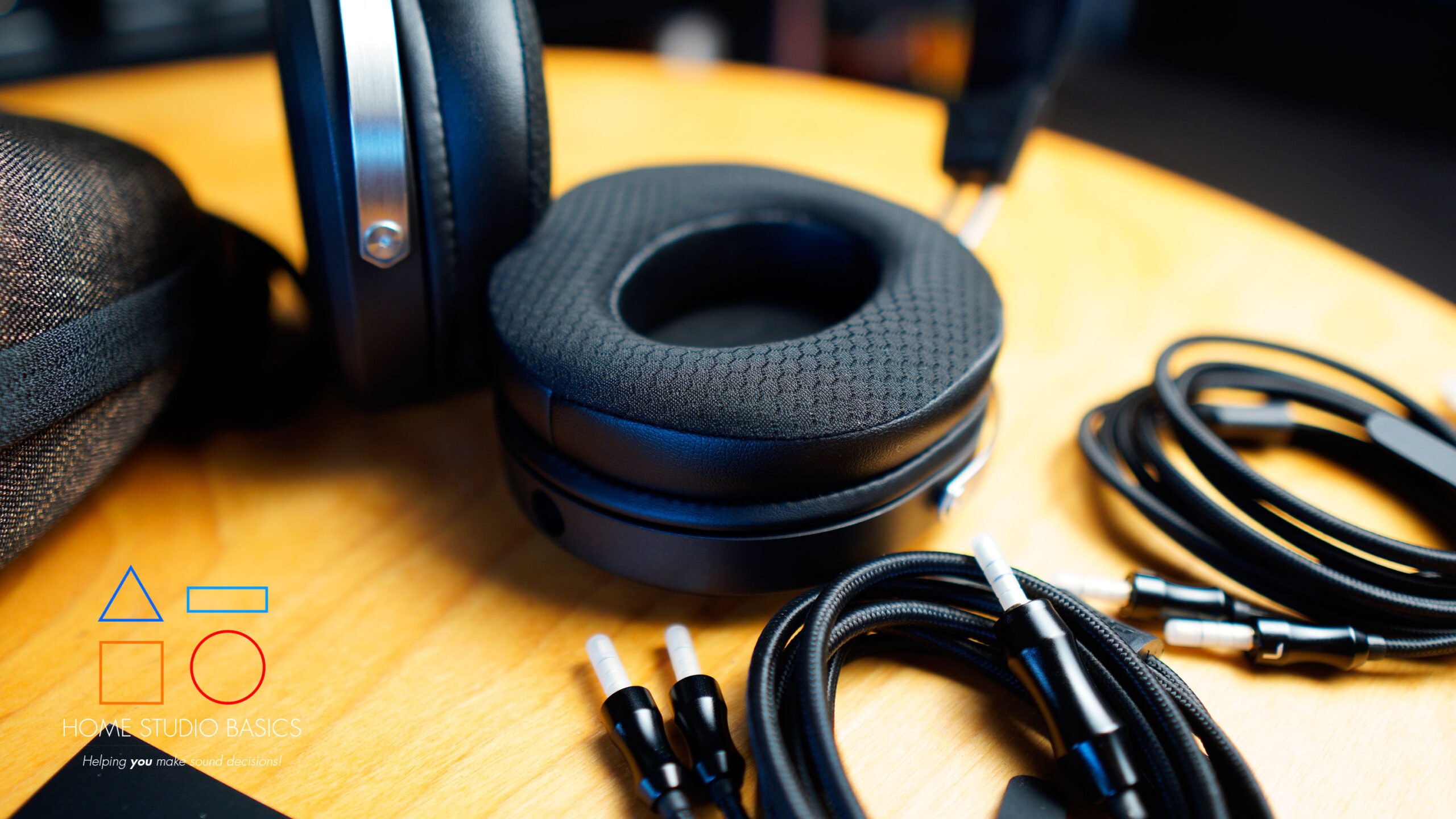
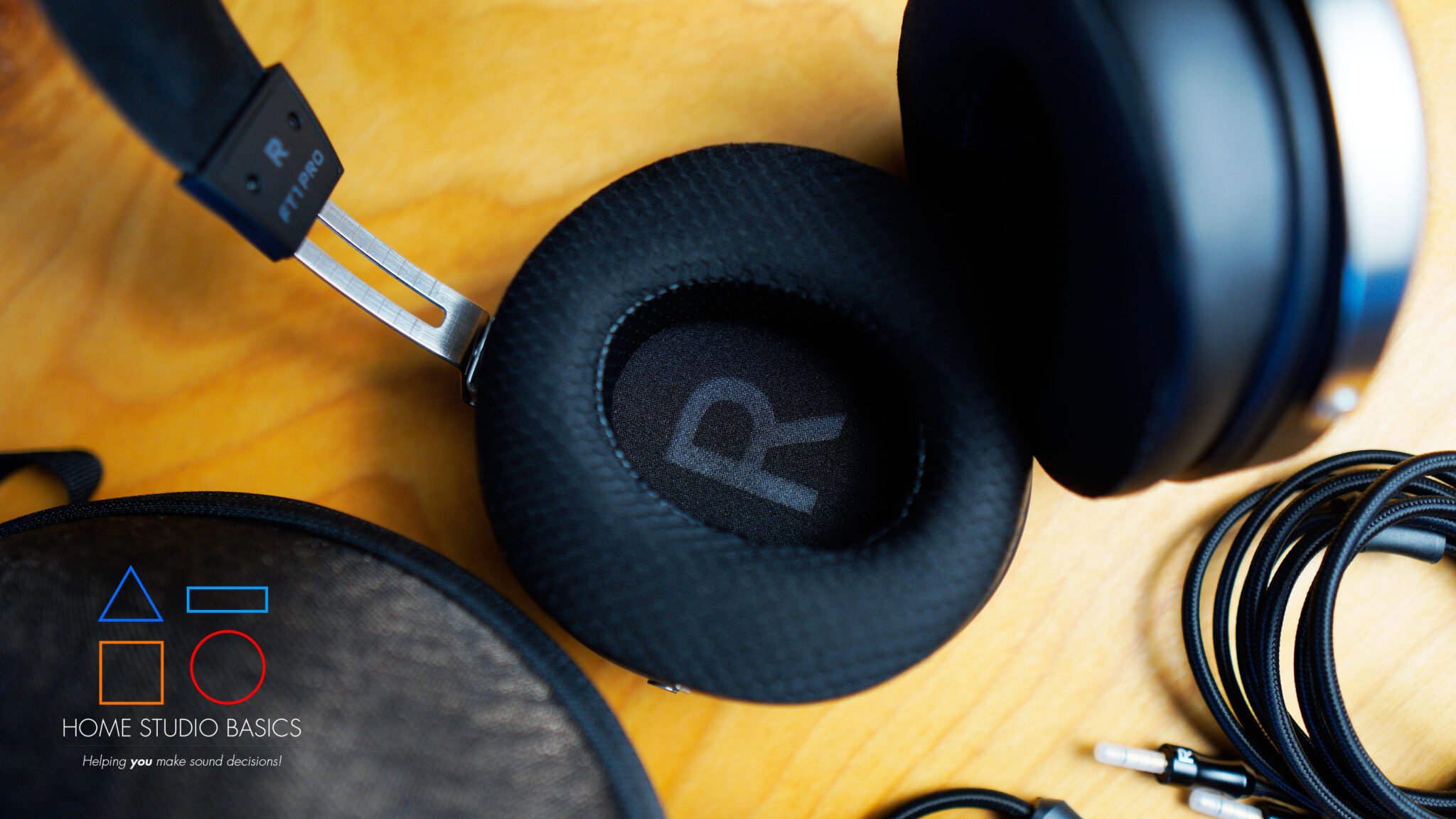
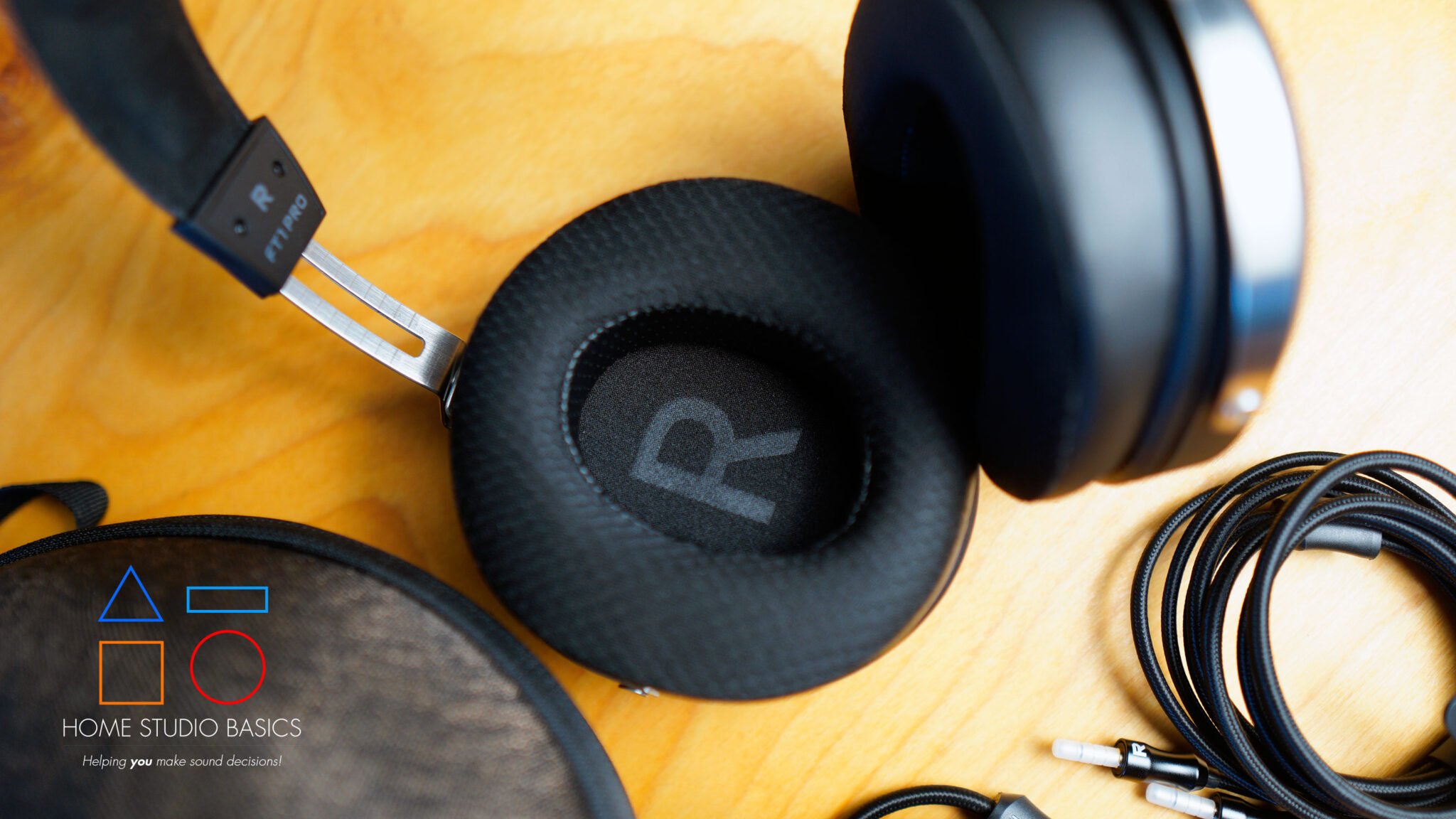
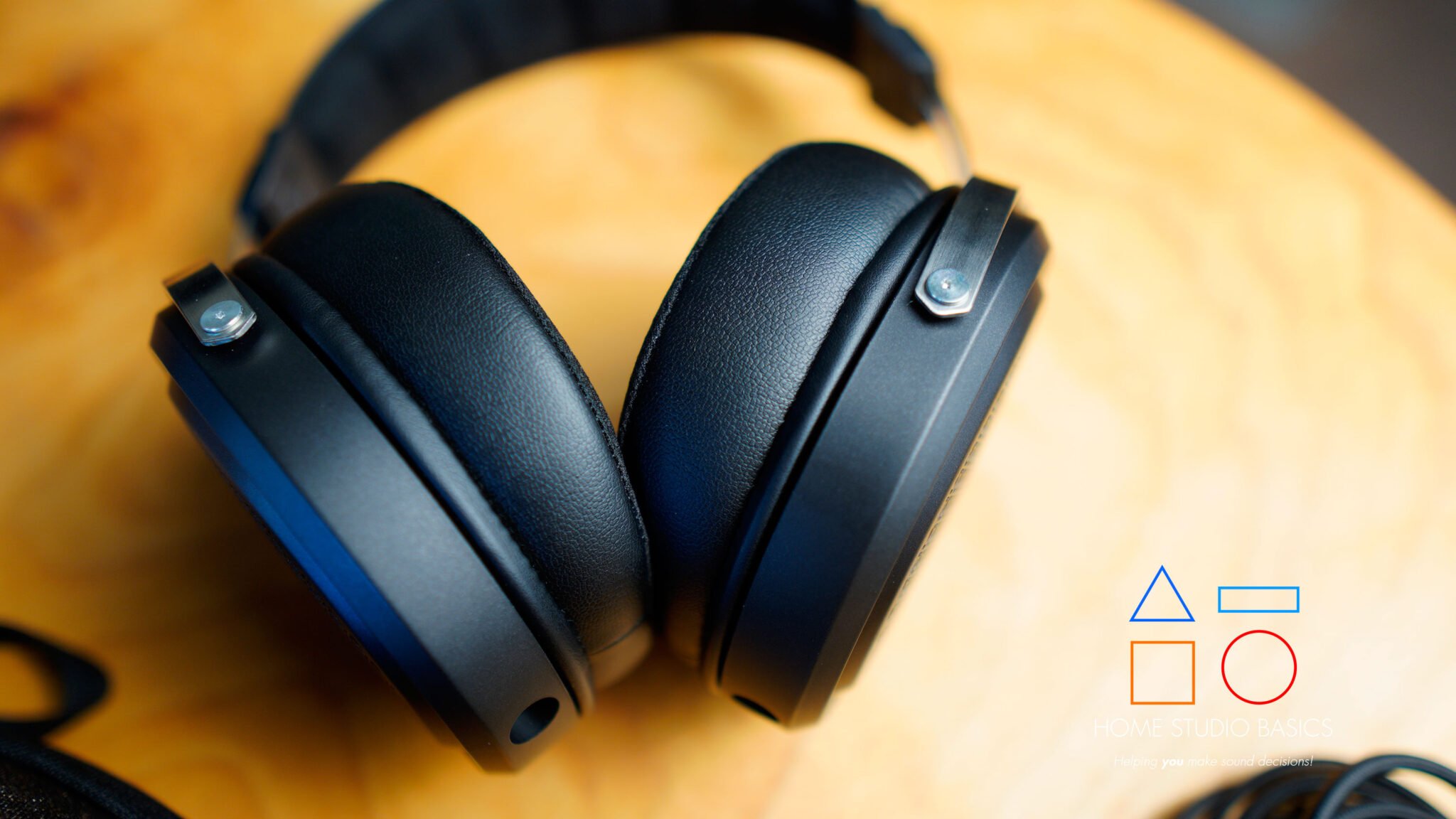
Both have the same breathable protein leather + fabric combo, again inspired by HIFIMAN. These pads help dissipate heat build-up between the ear cushions and your ears.
This pad choice works incredibly well, and I’m glad they’ve continued it throughout the line.
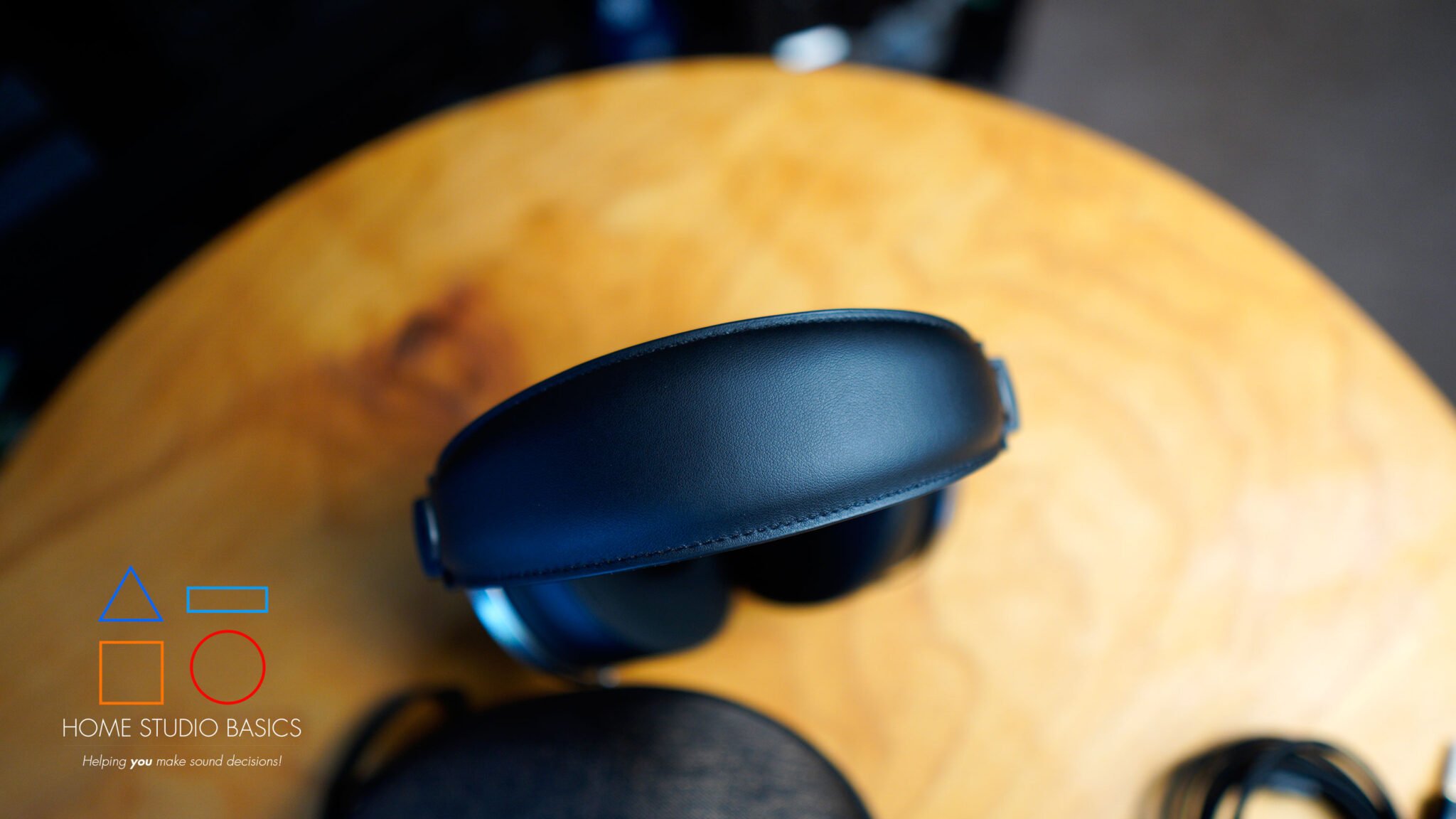
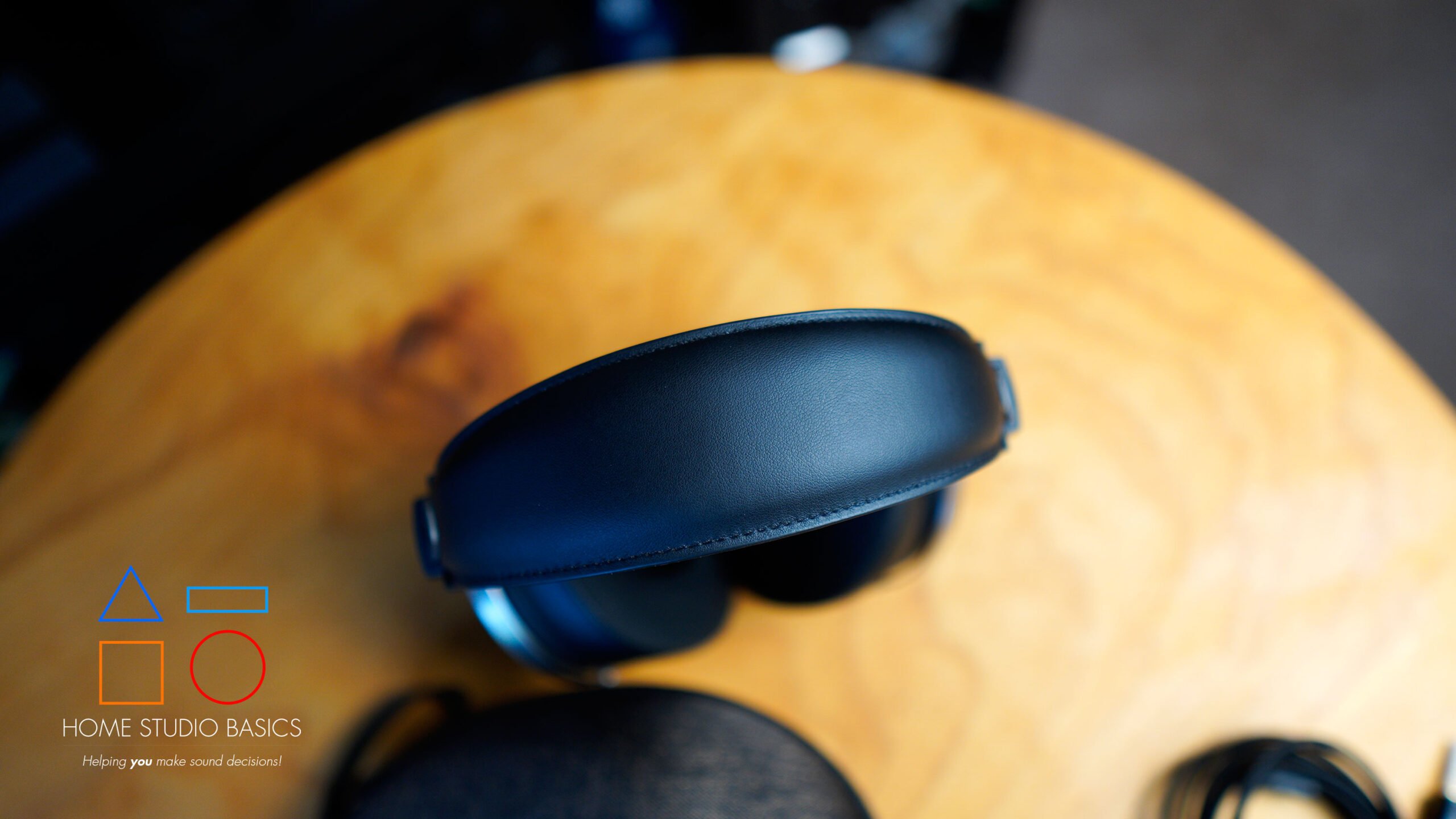
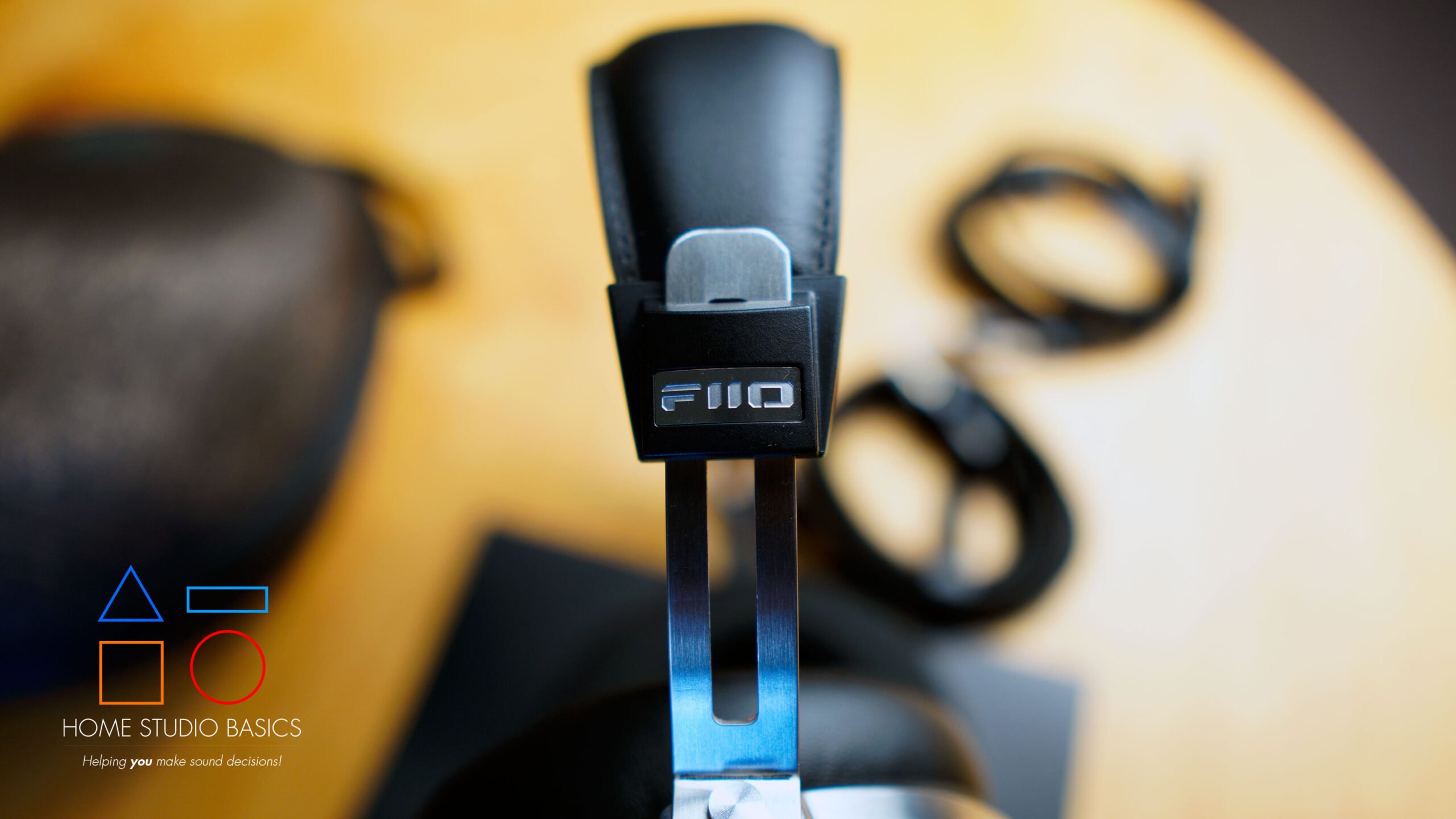
The suede fabric nugget headband pads make another return, providing just the right amount of support without intruding into your head or creating uncomfortable hot spots.
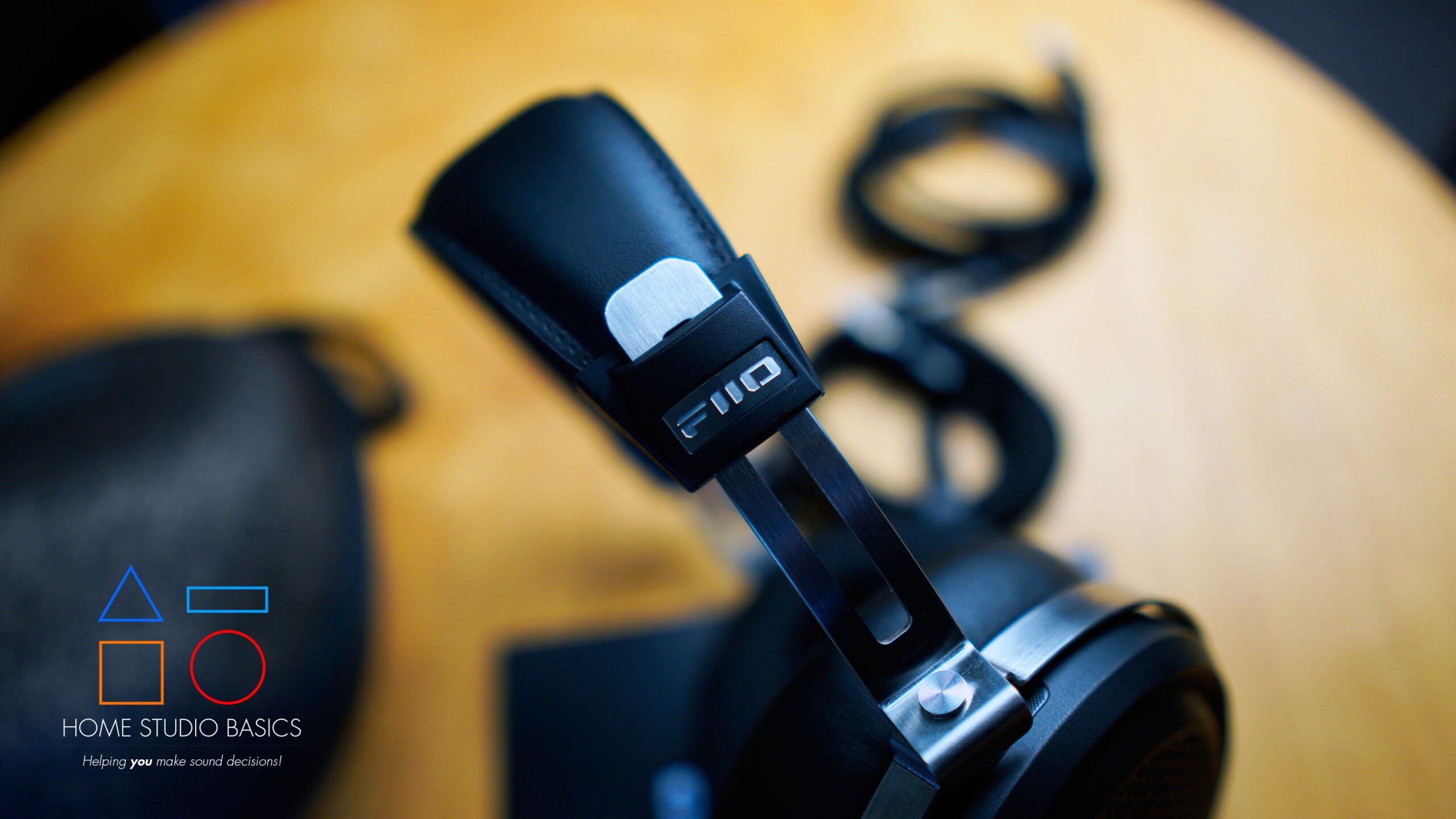
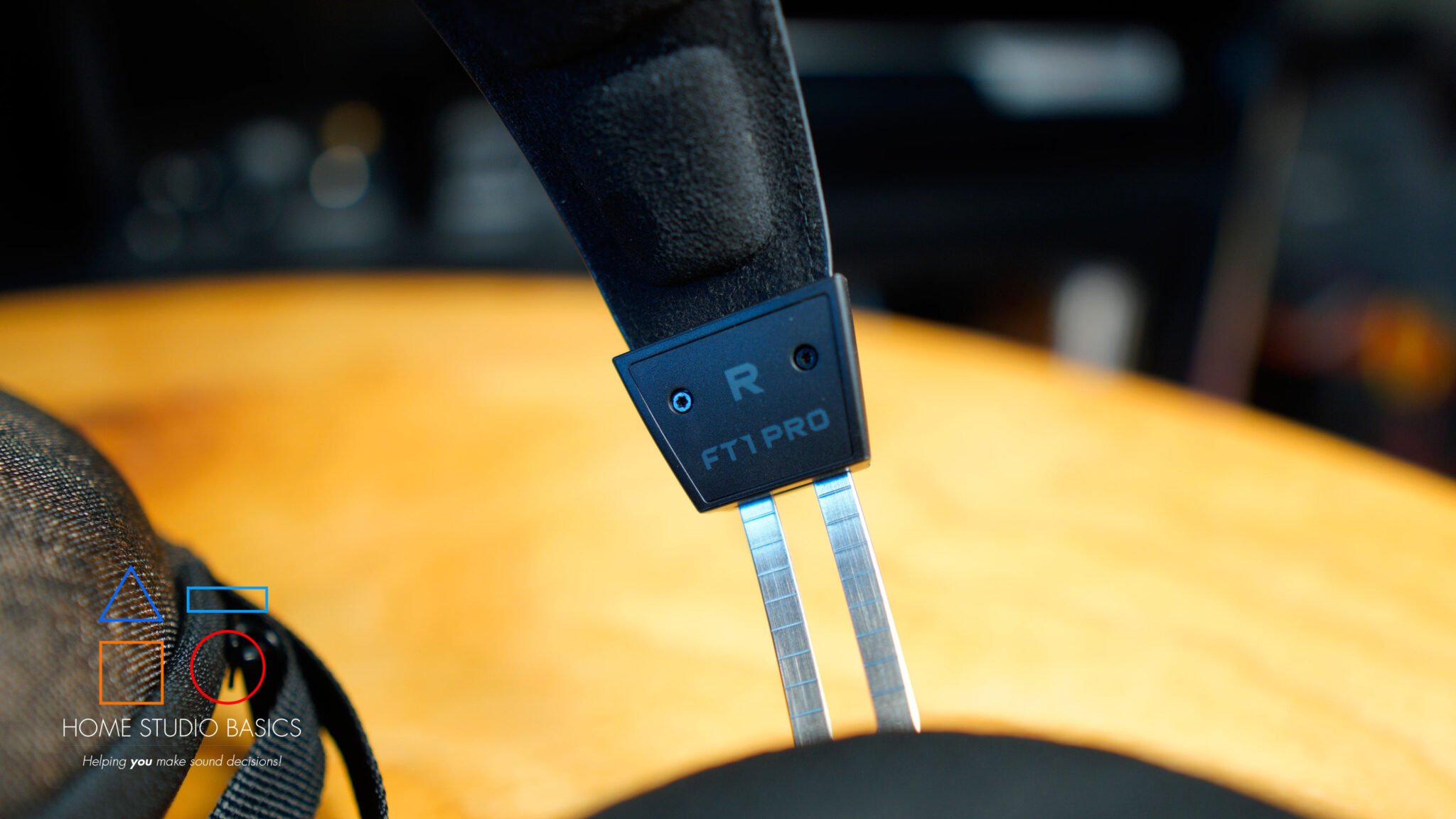
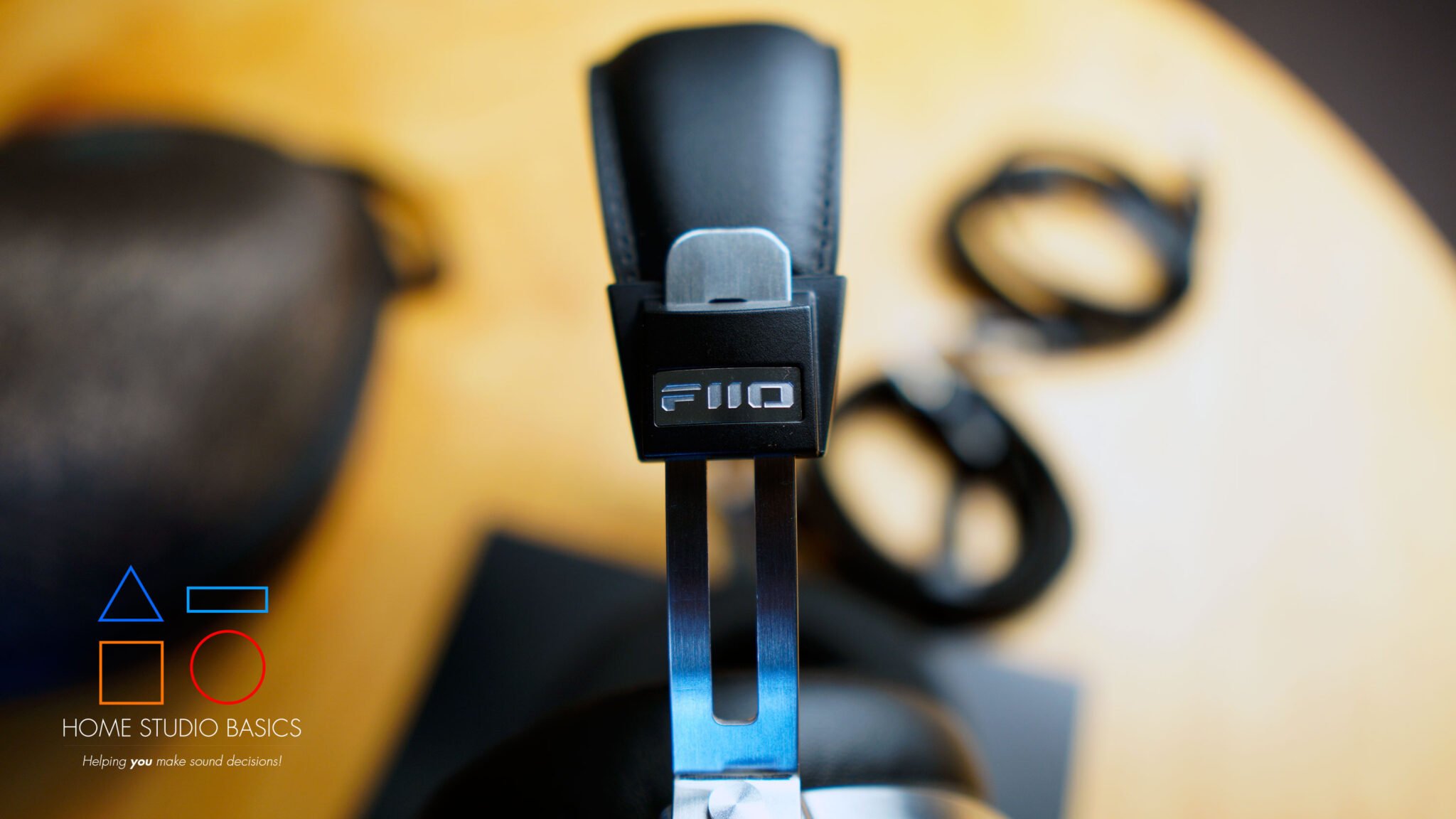
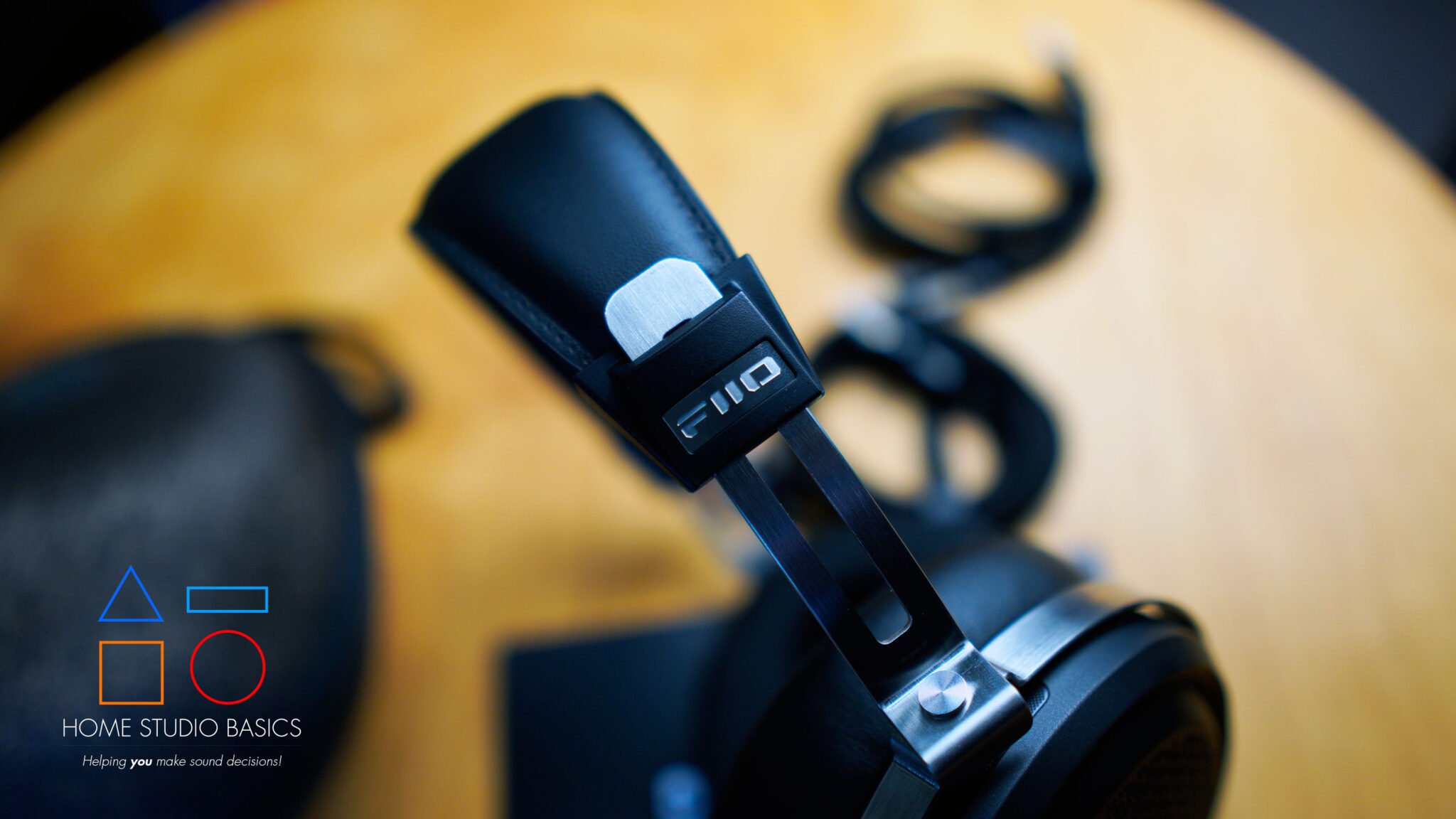
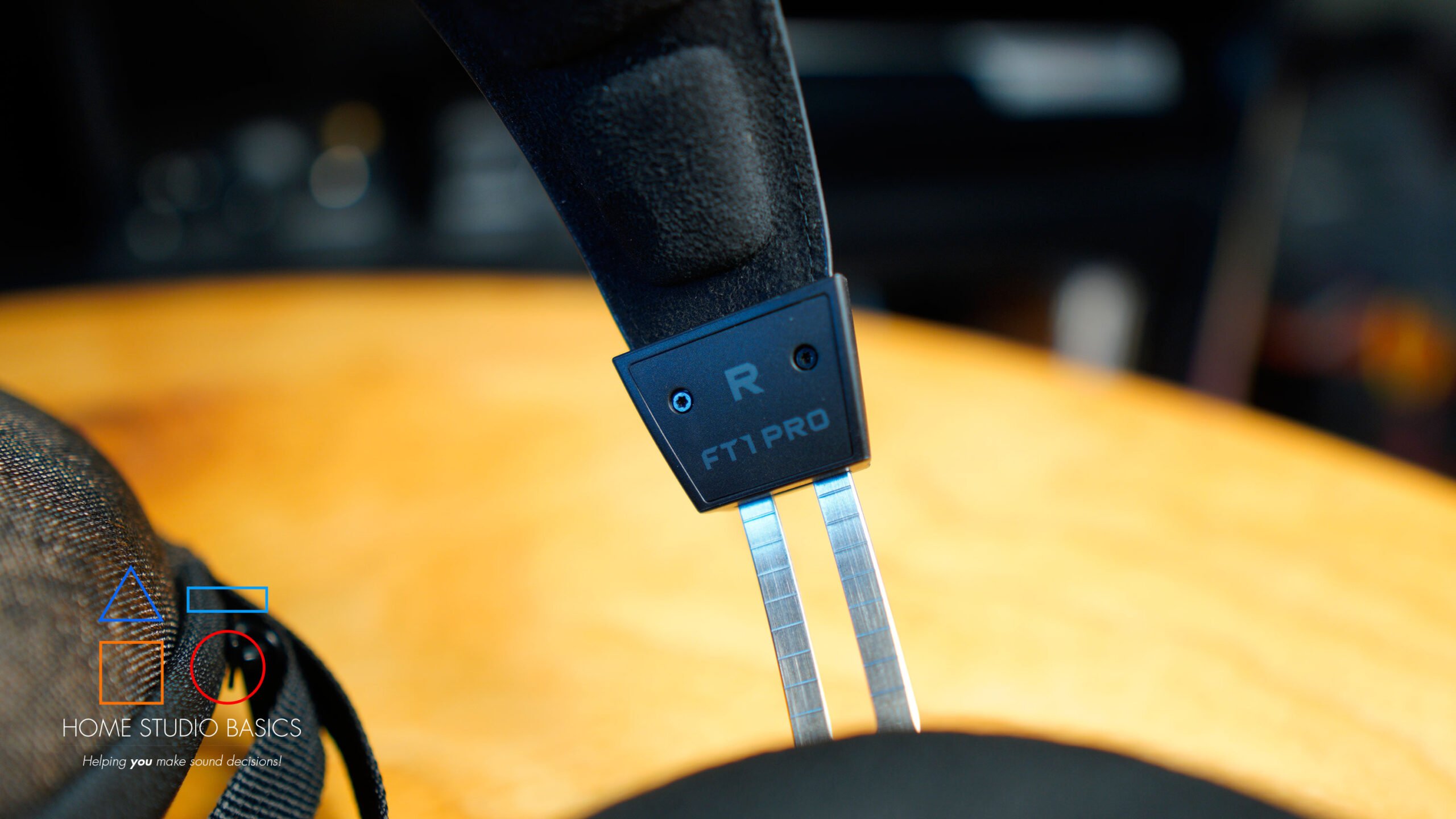
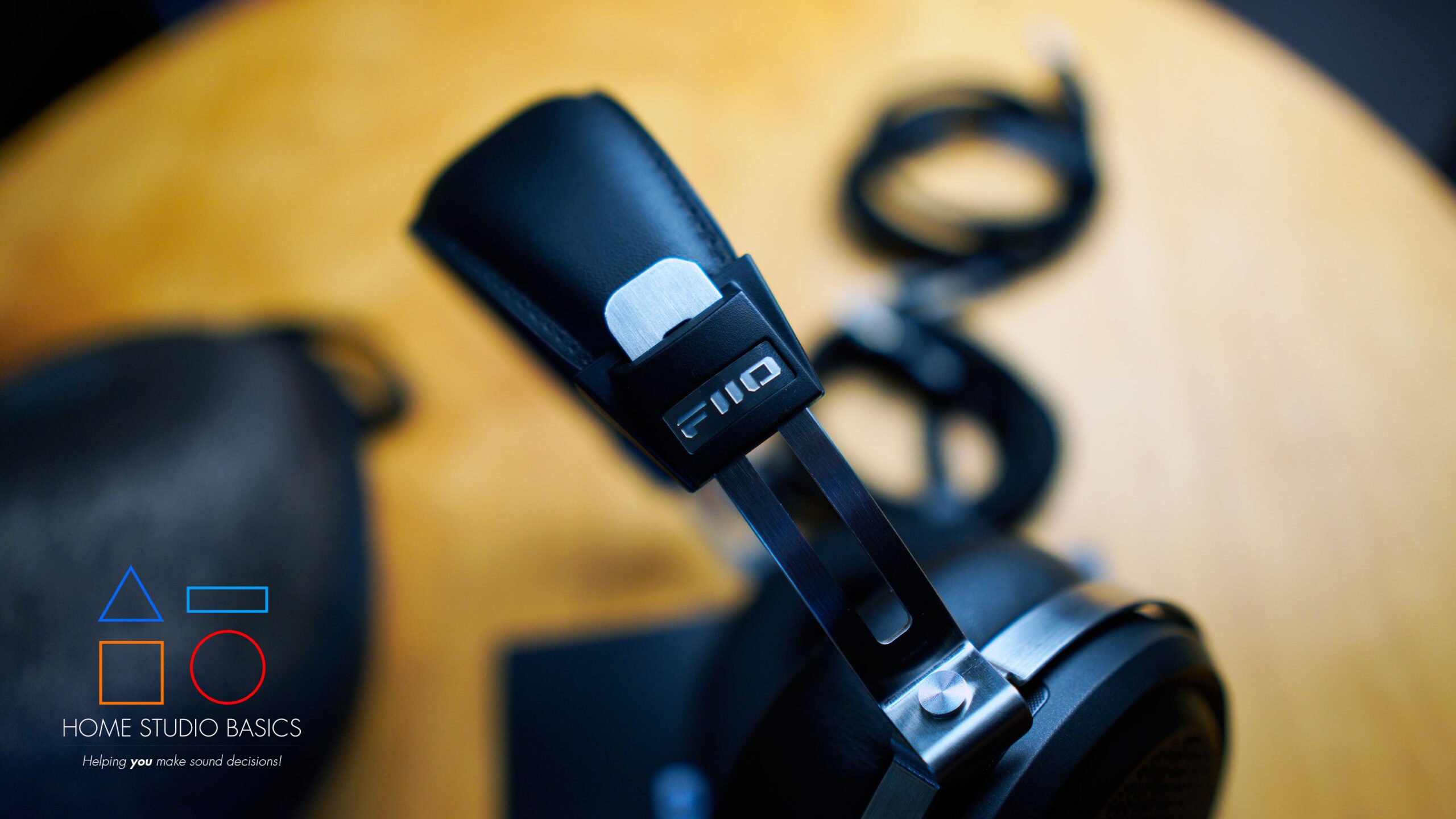
The bale structure is also the same, offering high-quality ball bearing slides, a 12-level adjustment, and quite a bit of room for even the largest of auricles.
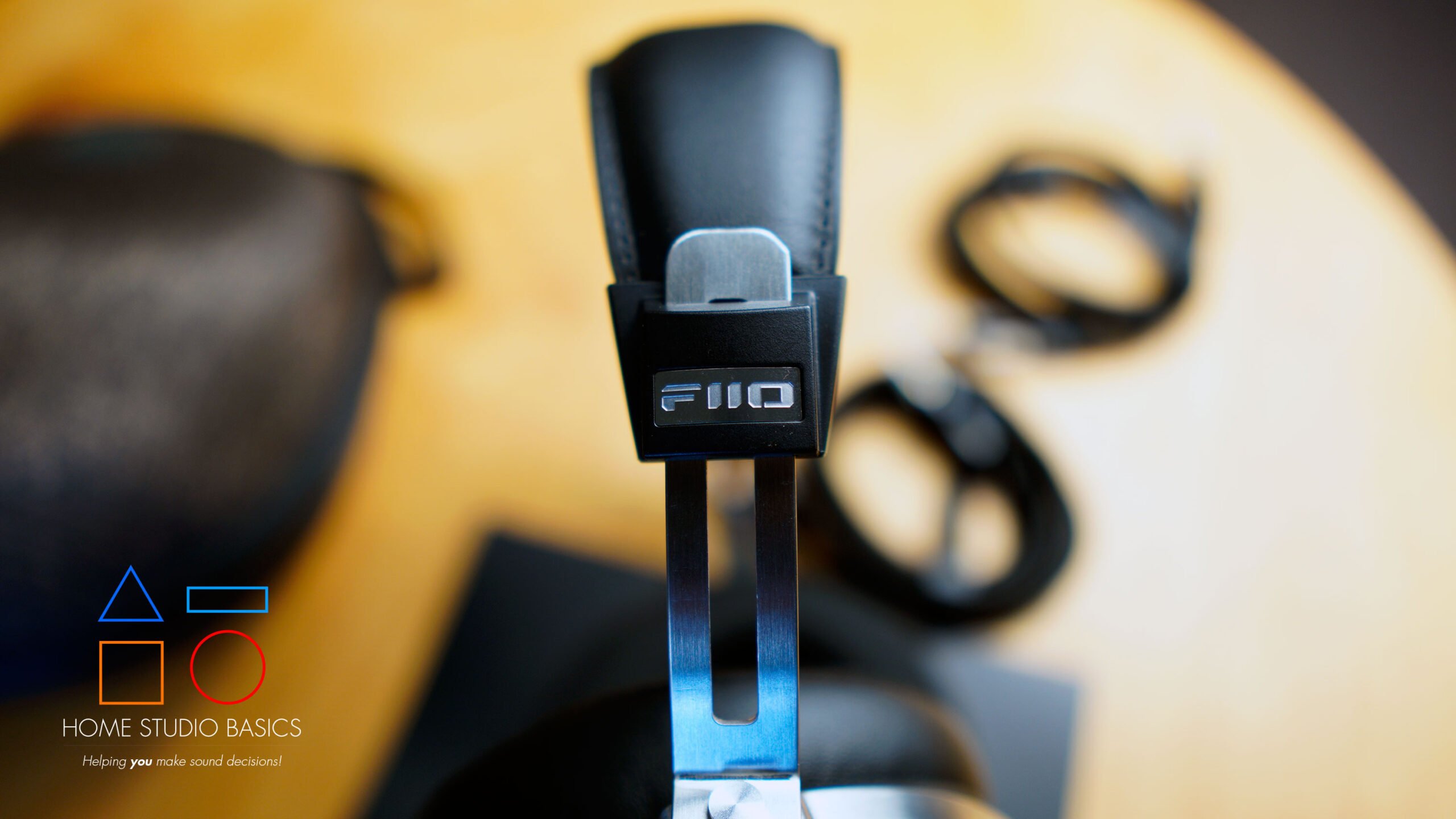
I’m ecstatic to report that the steel splint (seen above) hasn’t caused any damage to the top of the headband pad (marks, scuffs, rips, tears, etc). This was a concern with the original FT1, but it hasn’t caused any issues in either headphone so far.
Time will tell if this changes, but with the FT1 Pro, the headphone is all black. This means even if something does happen, you may not be able to tell.
That said, I still think this is a bit of a design flaw, but I’m not docking any points just yet. I will update the articles accordingly.
As mentioned earlier, the FT1 Pro utilizes planar drivers and features a 1µ ultra-thin diaphragm made from high-performance PET as the substrate.
FiiO claims even a difference of 2µ vs. 1 results in a noticeable difference in speed/transient response, and dynamic range, but we’ll touch on that more in the sound section.
Comfort
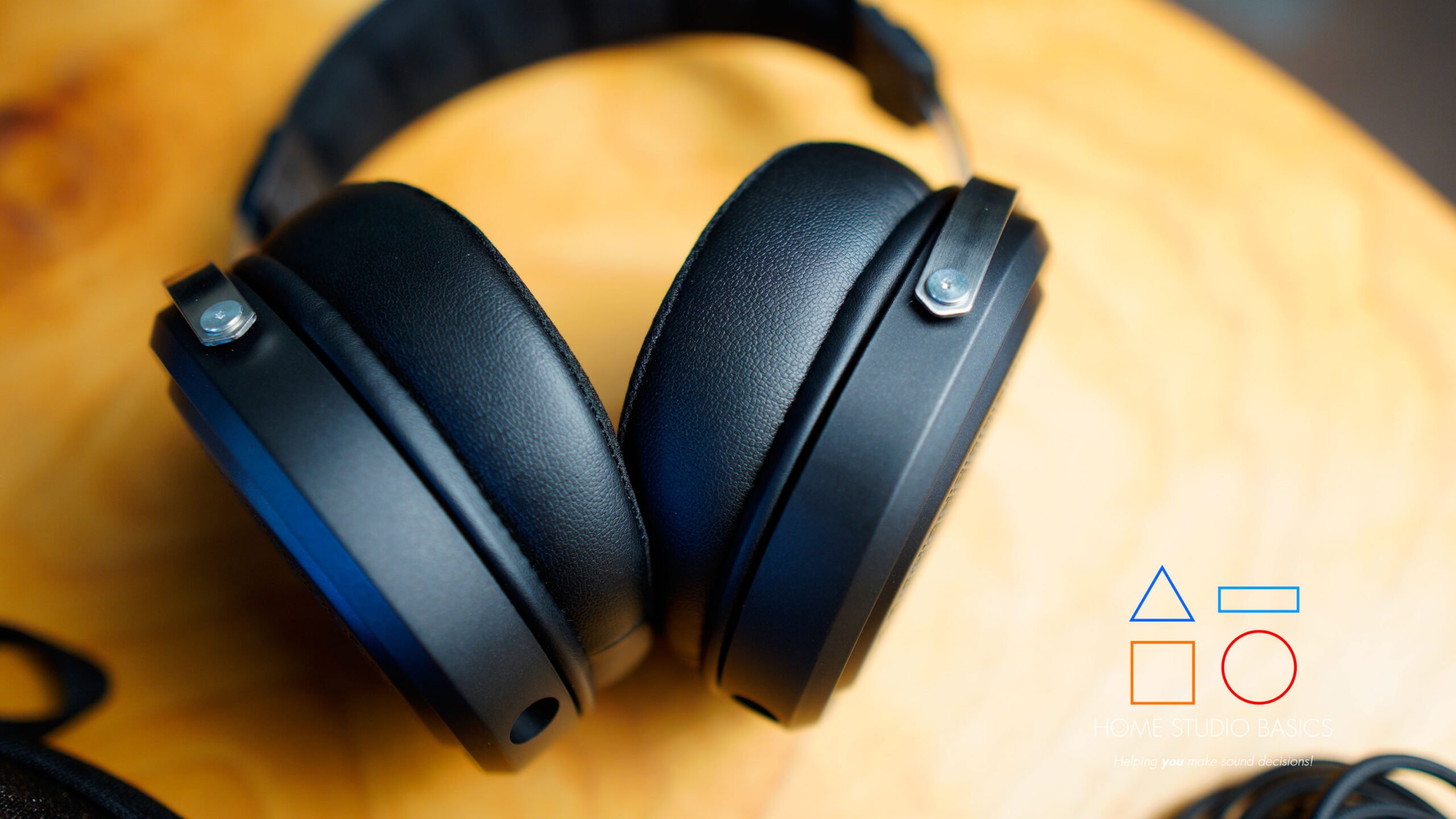
Before we get to that, comfort is phenomenal overall; the headphones don’t dig much into the top or sides of your head, and clamping force is snug without becoming overbearing or intrusive.
The large, oval-ish cups mean there’s just enough room inside for your ears, and though you may feel them touch a little, it’s not going to cause discomfort or awkwardness throughout the duration of your listening session.
That said, if you have ears the size of Antarctica, it ain’t gonna be smooth sailing, that much is certain.

And, despite its 374g stature, the Pro feels lightweight and nimble enough for both studio use and on the go.
Amplification
It’s also pretty easy to drive, with a 20Ω Impedance and 112dB Sensitivity. This means it’s incredibly efficient and doesn’t require much from an Amp to reach comfortable loudness.
I’ve been using the Pro with FiiO’s own KA11 with my iPhone, and I’d recommend not spending much more than around $150-$200 on a desktop setup if you’re looking to go that route.
Some good options include the FiiO K11, JDS ATOM 2, FiiO K7, etc. Don’t get too carried away here and go down a rabbit hole you’ll never come out of, please, for the love of God.
- Required Reading: My Ethos
Sound
- Source(s): Spotify, PS4, FLAC
- Amp/DACs Used: Universal Audio Volt 2, FiiO KA11, FiiO K11,
- Playlist(s): Here, Here, and Here!
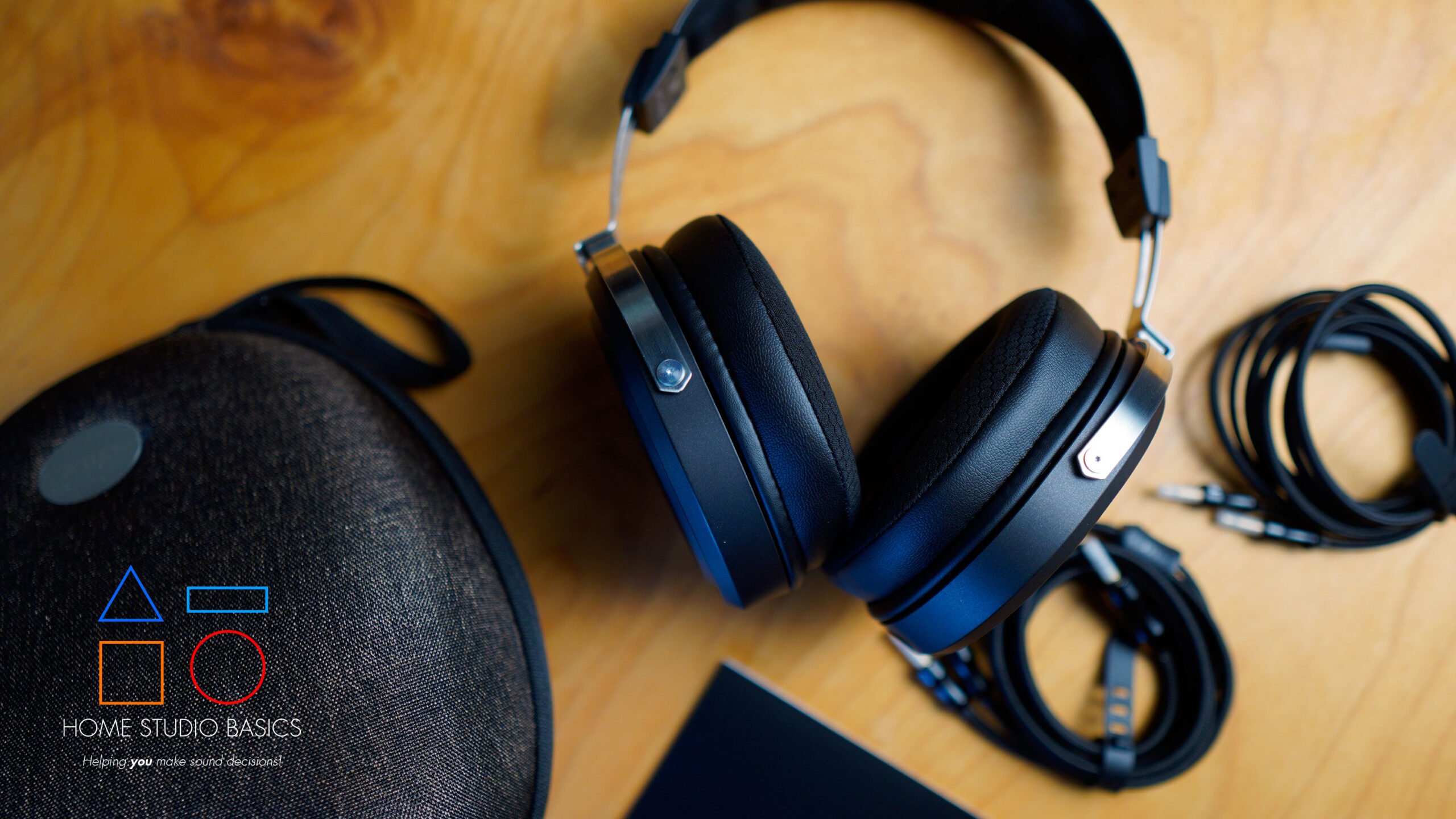
Most importantly, the FT1 Pro sounds great. Let’s get into specifics.
Bass
The first thing you’ll notice about the Pro version is that, overall, it’s more neutral.
While the FT1 opts for more sub-bass extension, the Pro is fairly flat across the entirety of the low end, with perhaps a bit of emphasis around 40-70Hz. While I would have liked to see this bump around 60-90, I’m not complaining much.
- Required Reading: How To EQ Bass/My Philosophy
Why?
Why?!
Because FiiO again opts for a mid/high bass cut/keep flat in the all-important mud regions of 200-300Hz, and again, I wholeheartedly applaud the effort.
There’s no bleed, hum, or other weird shenanigans going on, contributing to a bass response that mostly stays out of the way, letting other frequencies shine while still providing ample weight when called upon.
A great example is L One’s “Rum.” It slams nicely without sounding like you’re drowning in a sea of chocolate pudding. And, because of its planar drivers, the FT1 Pro provides excellent overall bass articulation and resolution out of the listening experience.
The notes are heard better and have impact without becoming blurred or lost in the abyss.
Mid-Range
Moving into the mid-range, the FT1 Pro boosts the presence range around 2-3kHz, a welcome decision and one that is almost mandatory for clarity and overall precision.
That said, I would have liked to see a little boost at 1kHz as well, since this region can oftentimes really help cut through a mix and provide intelligibility that some songs sorely need. That said, it’s a small nitpick.
The overall value of the mids is apparent here, giving you a mostly neutral portrayal across the entire range from around 400Hz on, with vocals standing out nicely while also sounding natural yet lively.
Oh Wonder’s “Dont You Worry” is a perfect example, as the natural timbre of Josephine’s voice shines through marvelously, allowing you to hear all the subtleties of her breaths and phrases incredibly well.
Treble
Likewise, the treble overall leans bright but doesn’t ever sound sibilant, strident, or harsh. It is boosted around the upper mids, moving into 5-9kHz or thereabouts, but I think it’s necessary to keep things lively and crisp while not going overboard.
While the original FT1 can wax a bit darker, do keep in mind that your perception of the treble depends on, and can vary wildly from, track to track, depending on the artist(s) and their skill level in EQ/mastering, etc. This can also be said for the rest of the signature.
For instance, if a song sounds muddy, don’t immediately assume it’s the headphones, especially in the case of the FT1 Pro, which is mostly flat in the low end. It could just be the track. This is, again, why I harp on its importance so much.
Resolution, Transient Response, Separation & Soundstage

Speaking of resolution, it’s top-notch here, undoubtedly due to the nature of planar drivers but also the craftsmanship of the frequency response in general.
You’ll be able to distinguish lyrics better, as in the case of Sufjan’s “Come On, Feel The Illinoise.”
I found myself being able to follow his lyrics with greater clarity, and part of this has to do with the excellent overall separation between instruments and sounds, allowing vocals to cut through the mix. Good headphones will not mask poor panning decisions, but they absolutely can and will highlight a good pan. Such is the case with “Illinoise.”
That said, Soundstage is a bit underwhelming overall across the majority of tracks. I was expecting a bit more of an “out of your head” sensation, but it’s surprisingly closer in than I was anticipating. Think of this as a mostly head-width presentation, with about average width, height, and depth.
I’d argue the original FT1, a closed back (which interestingly enough sounds more open), has better Soundstage than the pro version, but that’s just like, my opinion man.
Even the famous knocking sound on “Golden Ticket” From Masego & Common sounds much closer to you than it does with other headphones. In other words, it doesn’t actually sound like someone’s knocking at my door and didn’t startle me in the slightest (and I’m pretty much always startled by it).
So, if you need something for gaming, I’d take the K702 over the FT1 Pro every day and twice on Sunday, Holmes.
That said, I’m not all that disappointed with Soundstage as I don’t really think it’s necessary within the context of who I personally feel these headphones are targeting. Let’s get into that now, shall we?
Use cases for the FT1 and FT1 Pro
If you’re a musician, producer, vocalist, rapper, singer, etc. like me, the FT1 and FT1 Pro make a perfect 1-2 combo punchout, Mike Tysthon sthstyle.
Why?
BECAUSE I SAID SO!
No, it’s because the FT1 is perfect for tracking and recording rap vocals, while the FT1 Pro is great for mixing and EQ’ing beats. This is because the pro version is more neutral and gives you a flatter overall portrait of whatever you’re working on.
Plus, because it’s an open back, you won’t fatigue easily and can put in more Work like Gangstarr.
By contrast, the FT1 is better for tracking and recording because it’s closed and won’t leak sound while you’re rapping, and the bass shelf really helps get you HYPED UP to lay down 16 bars+.
I find the FT1 meatier and better for “getting into the mood,” and use it pretty much exclusively for that purpose + general listening outside of the studio.
Genre Pairing
Speaking of, I think both work well for general listening, depending on your preference. If you desire more sub bass extension and “feeling,” the FT1 is probably better.
If you’re after a more neutral listening experience, the FT1 Pro is excellent. Both have fantastic resolution, but the Pro may be slightly better because the bass is almost completely out of the way.
With both, you’re able to hear the smallest nuances in music, which contribute to a more immersive, intimate listening experience.
Like the FT1, the pro model is also great for pretty much any genre you may come across, though it will sound better with Jazz and Classical because of the bass.
If you primarily listen to harder genres and require more bass slam, the FT1 is your ticket to paradise. If you enjoy a wider variety of genres and prefer a flatter, more neutral bass, I think the FT1 Pro is a bit better for that.
Final Verdict
The FiiO FT1 Pro continues the tradition of great sound, albeit with a different overall tuning.
Its splendid resolution, neutral overall profile, and conducive-for-mixing sentiment make it the perfect companion for studio use, general listening, or on-the-go excursions with something like a KA11.
It’s comfortable, built well, and comes at a reasonable price, making it the perfect 1-2 Mike Tysthon punch out. So knock yourself out like Jadakiss and buy one today.
Act Now:
FiiO FT1 Pro
Price: Check Amazon! | Check eBay! | Check B&H!
In The Box

FiiO FT1 Pro headphones
User Guide
1x 3.5mm Cable
1x 4.4mm Cable
1/4″ Adapter
Well, that’s about it for today my friend! I hope you’ve enjoyed this FiiO FT1 Pro Review and came away with some valuable insight.
Questions? Comments? Requests? Did I miss the mark on something? Please leave them down below or Contact me!!
If you love what I do here and want to support the blog and channel in a more personal way, check me out on Patreon and discover all the value I have to offer you.
Does the FT1 Pro fit your workflow? Thoughts on the OG FT1? I would love to hear from you. Until next time…
All the best and God bless,

-Stu
[Xtr@Ba$eHitZ] > Now AudioFiles Anonymous
Can’t decide which headphones to purchase? Interested in a complete buyers guide outlining over 40 of the best options on the market? Click on over to the best audiophile headphones to learn more!!
Be sure to also check out my Reviews and Resources page for more helpful and informative articles!








Great article, Stu! And speaking about headphones… I have a question.
I am considering purchasing a pair of Bluetooth, ANC, closed, over ear headphones. They are NOT meant for critical listening… but I do want them to sound “right”, you kno? Not something bass-bloated or too much treble to become tiring. Focus should be in the mids. Maybe something U-shaped? Good enough treble to sound clear, slight bass bump to be somewhat exciting to listen to.
The headphones will be used while traveling. Long trips on the bus, plane travels… stuff like that. NOT commuting from home to work and back home – that’s something else, I already got that covered (Moondrop Space Travel 2 TWS).
The most important factor to consider for such headphones should be comfort. So it’s comfort first, good ANC second, good battery (need to be 20+ hours in one charge) third… and then, of course, sound quality.
Something that is closer to neutral, so that it won’t be tiring to listen to (I will listen to them for hours and hours while on the trip bus), but it’s exciting and clear enough to enjoy listening to them. If they can be EQ to reach that sound, then they still qualify.
Target price: ideally 300 euro. It’s ok to be 400+ (the less the better, obviously) but in no way higher than 500. 450 euro should be the hard limit, and even that it’s a hard pill to swallow. I purchase only in new condition. Do you have anything in mind that would fit the bill? 😀
Thanks!
Mihai
Mihai,
Omg, the whole time I’m reading your comment my mind is screaming “KIWI EARS ARDOR.”
Your description lines up perfectly with the headphones, They’re ANC, closed, Over-Ear, not meant for critical listening but still are tuned incredibly well (especially in the all-important bass), treble is just right, mid-range is just right, perfect for travel, they come with a solid, hard shell carrying case, and they’re also very comfortable. I use them as my daily driver Gym headphones and very rarely do I have to charge them. The first charge lasted 5 months! And I’m on the second charge now and I’ve had them since like March or something. Insane.
It’s an excellent sound signature overall, and I wouldn’t think twice about it. Well, maybe lol. The Bathys also fits the bill, but I don’t think they’re worth all that much more over the Ardor. Are they better? Probably, but man the Ardor is an insane value to me.
Let me know what you think after reading my Ardor review!
Talk soon,
-Stu
Hi Stu!
Thanks a lot for the detailed review.
I‘m currently looking for an upgrade for Philips SHP9500 which I bought based on your recommendation 🙂
How does Fiio FT-1 Pro compare to HiFiMan’s HE400se and Edition XS? To Sennheiser HD600 and AKG K702?
Thanks!
Alex,
Wow great question! FT1 Pro is pretty similar to 400se and XS, but the XS is a bit bassier (flat line) than the 400se.
Same with the HD600, it’s similar in neutrality as the 400se, but the se has better resolution and timbre imo. K702 is similar to HD600 and 400se in terms of neutrality, overall resolution and timbre, but has much better Soundstage. Probably the best SS in mid-fi or otherwise.
I believe the FT1 Pro was actually modeled after the Ananda Nano AFAIK. The tuning is almost identical. See my FT1 Pro review. So all 400se, XS, HD600, and 702 are very neutral and have similar responses with subtle differences.
400se > HIFIMAN’s signature 1kHz bump with a gradual decline before coming back up at 2-3k. Works really well because 1kHz is crucial for intelligibility of vocals and instruments, while 2-3k is important for overall presence. That said, the sleepiness that can occur is due to it not coming back up soon enough. It can still sound a bit recessed at times which is my only gripe. They did improve the treble from models like the DEVA, 400i, 4XX, etc. No sibilance or bite, with some air after 10k. A very good decision. SS is about average/below average espeically for gaming. Separation within the narrow field is very good however.
Edition XS > More subdued than an Ananda Nano in the treble, but overall very neutral and crisp. Soundstage slightly above average, not amazing, but definitely not as closed in as HD600 or 400se. Separation within the field is excellent. I do prefer an Ananda Nano because it’s crisper and livelier, but an XS is never a bad choice.
HD600 > Probably the most neutral and “correct” out of these, with the treble caveat (some call it overly dark/veiled). Not a huge issue imo, but can manifest at times. Soundstage is rather poor, but imaging and separation are excellent. It’s a more closed in sound for sure though.
K702 > Best SS hands down, airy, crisp, neutral, and excellent overall resolution. I believe it’s just about the best tuned hp in mid-fi overall, with a nice presence bump at 2k and an accurate, honest portrayal of music. Some say it can sound a bit thin at times, and sure, it’s a legitimate complaint but very minor in my eyes.
FT1 Pro > neutral, but with a warm tilt and good mid-range fidelity. Very blank stare type of headphone, similar to the HD600. Excellent overall separation between instruments and sounds, allowing vocals to cut through the mix very well. Soundstage is surprisingly below average, definitely not something I was expecting so keep that in mind. Mostly head-width presentation, with about average width, height, and depth.
Hope that helps! If you need further clarification on something, let me know.
-Stu