
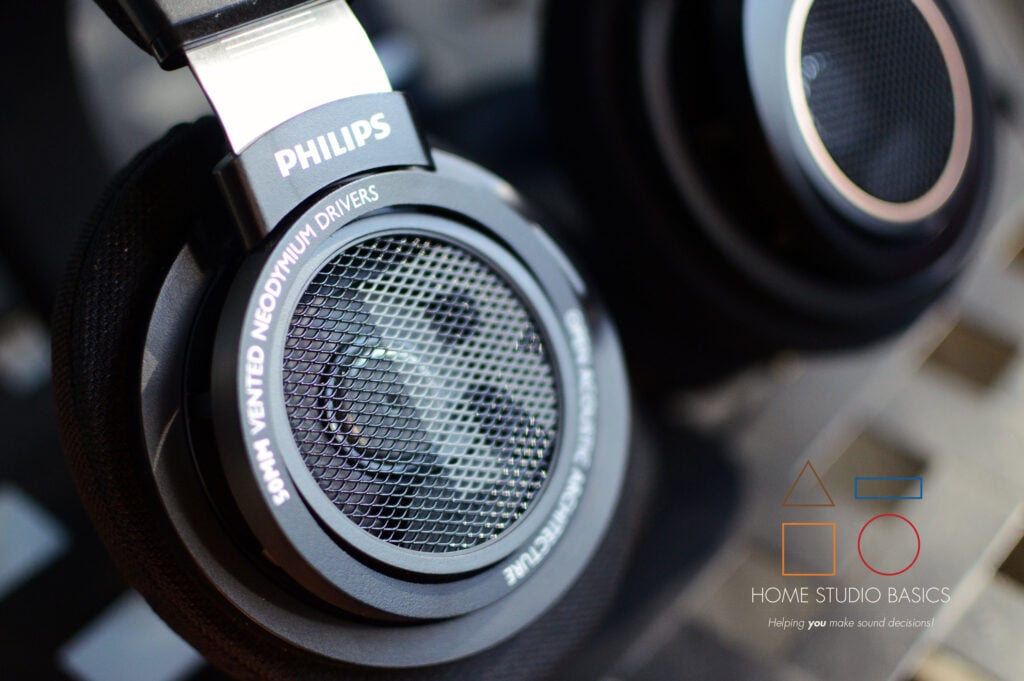
Best Headphones for Music Production in 2026 (Mixing & Recording Guide)
Good equipment is necessary for music production. Although microphones, plugins, and audio interfaces come to mind first, headphones are equally crucial.
Your mixing and recording choices, as well as your overall listening accuracy, can be enhanced with a quality pair of studio headphones.
Regardless of your level of production experience, this guide will assist you in selecting the ideal pair in 2026.
Why “Flat” Doesn’t Always Mean Perfect
Different headphones have different ways of reproducing music.
The majority of consumer headphones enhance high-end frequencies and bass to make music seem more thrilling and/or simply sound better.
Conversely, studio headphones strive for precision and clarity.
Producers frequently claim that a flat frequency response is necessary, and this is largely accurate. Without coloration, a neutral tuning makes it easier to hear what’s truly happening in your mix. Examples of this strategy include models like the Shure SRH440 and AKG K553, which provide reasonably balanced sound that works well on a variety of systems.
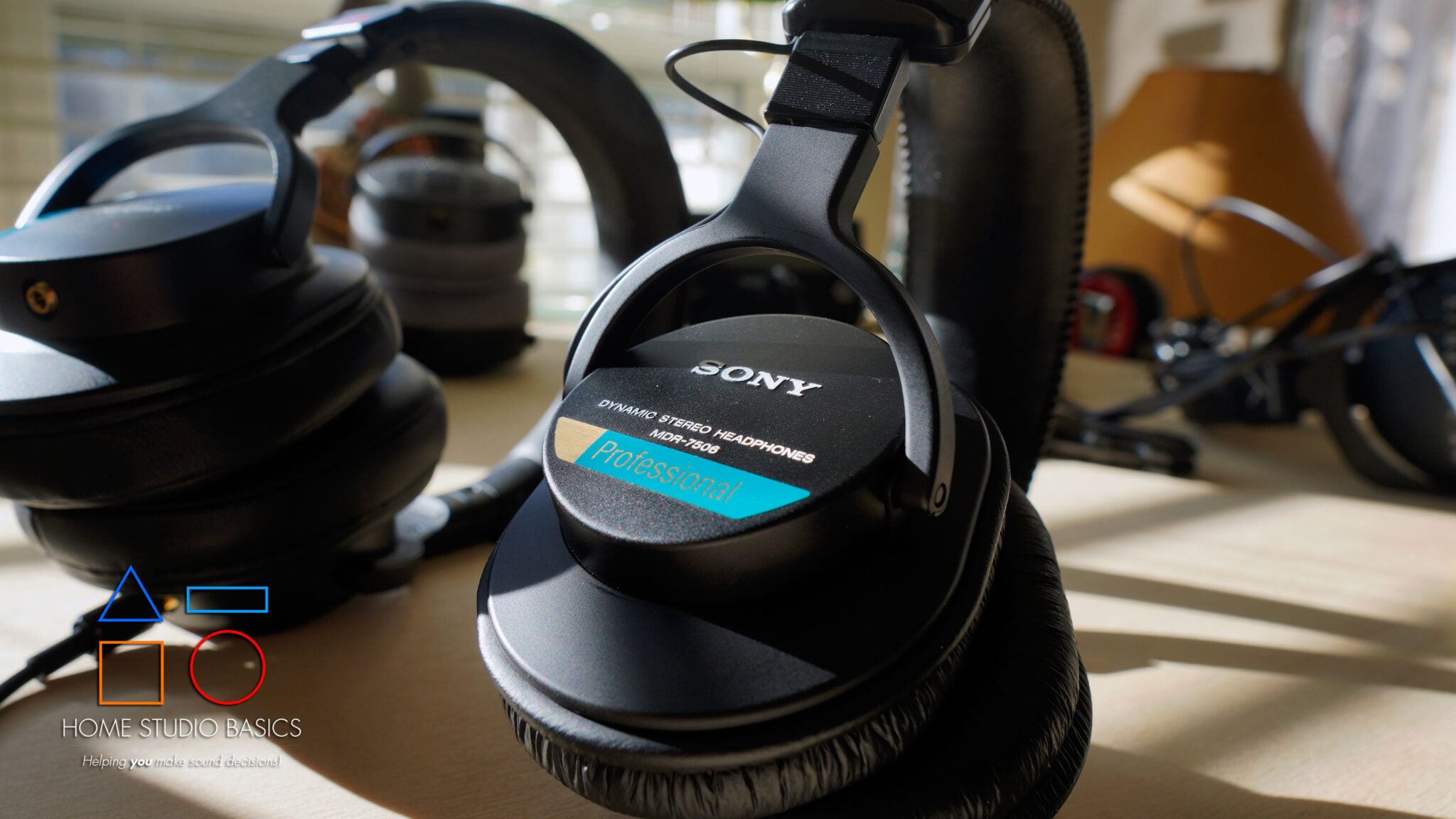
But “perfectly flat” isn’t the only paramount factor that counts in actual production. Even modestly colored headphones can be very helpful. For instance, the Sony MDR-7506 has a somewhat exaggerated treble, but it’s popular because it makes defects and subtleties very evident. Because of this, even though it’s not entirely impartial, it’s an effective tool for critical listening.
The main lesson is that while neutrality is a goal, usability and detail retrieval are equally important.
What Makes a Good Studio Headphone
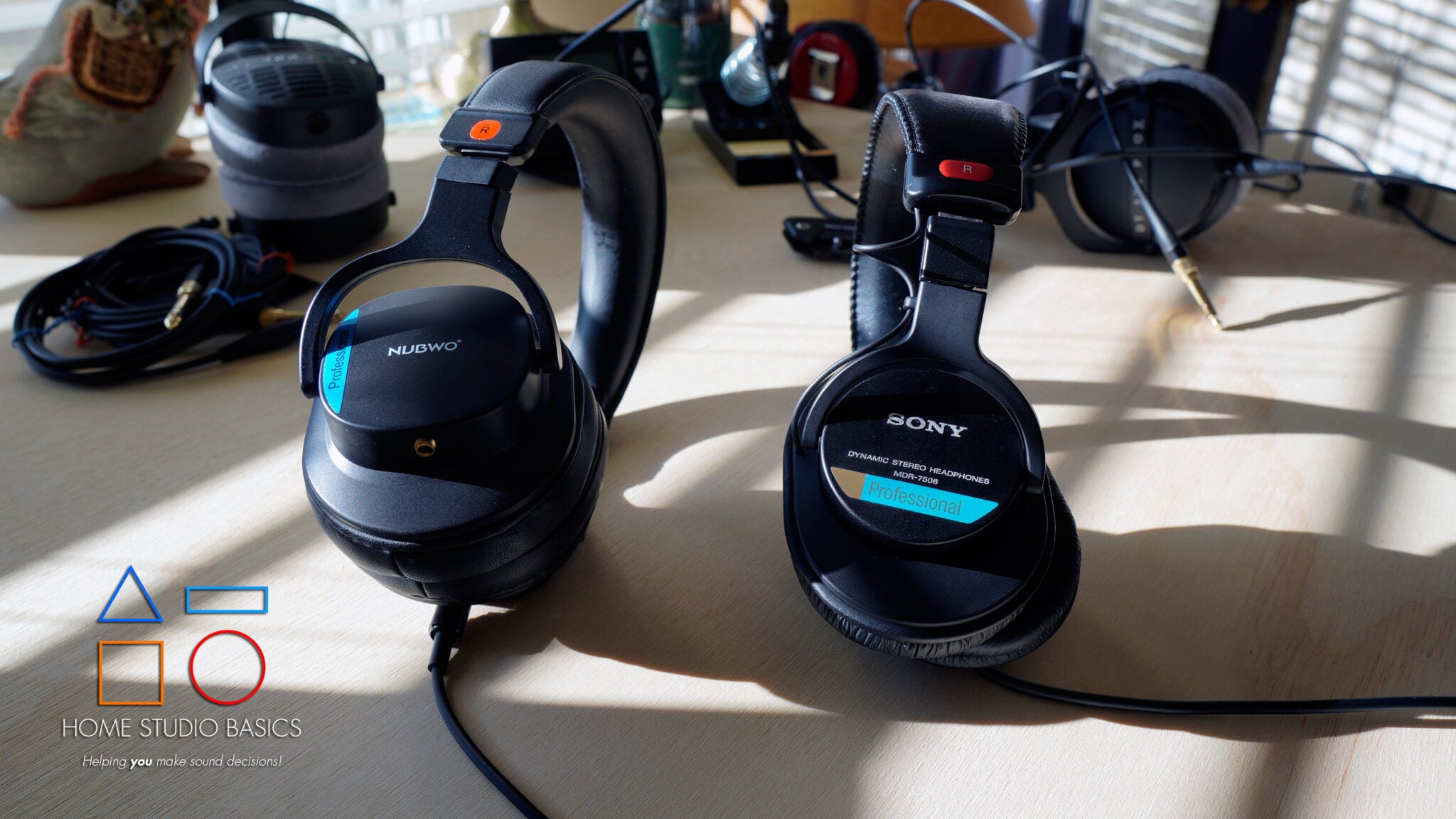
There are several important factors to consider when choosing headphones for production:
- Frequency Response: Determines how evenly the headphone reproduces lows, mids, and highs. A balanced response helps avoid poor mixing decisions.
- Impedance: Higher impedance headphones may offer better performance, but often require an audio interface or separate headphone amplifier.
- Soundstage: Refers to how spacious and three-dimensional the audio feels. A wider soundstage helps with placement and depth in a mix.
- Imaging: The ability to accurately position sounds in the stereo field.
Some headphones stand out not just for being flat, but for how well they reveal detail. For instance, the Status Audio CB-1 is known for its unusually spacious presentation for a closed-back design, making it easier to detect subtle issues in a mix.
One small but fun thing worth mentioning: some producers use emojis when labeling their headphone presets or mix notes to identify a vibe or frequency area quickly.
It sounds silly, but it actually works as a fast visual cue when you are deep in a session.
Open-Back vs Closed-Back: Which to Choose
It’s one of the most frequent queries from novices, and the response varies according to your method of operation.
- Related: Closed Back vs. Open Back Headphones
Open Back Headphones
Air and sound can flow through the ear cups of open-back headphones. For mixing and extended sessions, this produces a more organic and roomy listening experience. They’re unsuitable for recording, though, as they leak sound and will bleed into your mixes.
Closed Back Headphones
With closed headphones, your ears are isolated, and sound leaking is avoided. They work better for recording instruments or vocals, but because of their more constrained sound, they can occasionally make mixes more difficult to evaluate.
Interestingly, this distinction is blurred by some closed-back headphones. Despite being closed-back, models like the AKG K553 and Status Audio CB-1 provide a surprisingly expansive soundstage, making them flexible options for both recording and mixing.

- Over-ear Studio Headphones with 50mm Transducers Detachable Cable
- Closed-back
If you must choose one:
- Go open-back (or open-sounding) for mixing and critical listening
- Go closed-back for recording and tracking
Top Picks for Every Budget in 2026

The Sony MDR-7506 continues to be one of the most reliable options at a fair price. It is a well-established studio standard, lightweight, and detailed.

- Neodymium magnets and 40 millimeter drivers for powerful, detailed sound.Specific uses for product : Professional audio system,Home audio system
- Closed ear design provides comfort and outstanding reduction of external noises
- 9.8 foot cord ends in gold plated plug and it is not detachable; 1/4 inch adapter included
- Folds up for storage or travel in provided soft case
- Frequency Response: 10 Hertz to 20 kilohertz

The Shure SRH440, which has a more balanced and neutral sound, is another great entry-level choice. Beginners who want a clearer image of their mix without excessive frequencies may find it extremely helpful.
The Status Audio CB-1 is notable for its broad soundstage and remarkable detail in the mid-range. It works especially well for spotting minute flaws in a recording.
Another fantastic option in this category is the AKG K553, which has a very neutral sound profile and outstanding mid-range clarity. Because of this, it’s perfect for vocal work and precise mixing tweaks.
The Sony MDR-CD900ST is a worthwhile option for more experienced consumers. It was first created for use in professional studios and produces a concentrated, highly revealing sound that is great for critical listening.
At this stage, the emphasis in professional workflows moves from simply “good sound” to consistency, accuracy, and long-term dependability.
When to Use Multiple Headphones
Many producers don’t rely on just one pair, and for good reason. Different headphones highlight different aspects of a mix.
Here’s a simple approach:
- Use a neutral headphone (AKG K553, SRH440) for balance and tonal decisions
- Use a revealing headphone (MDR-7506, CD900ST) to catch flaws and harshness
- Use a wide-sounding headphone (CB-1) to evaluate space and stereo image
Switching between them can give you a more complete understanding of your track and help avoid mistakes.
Comfort and Build Quality for Long Sessions
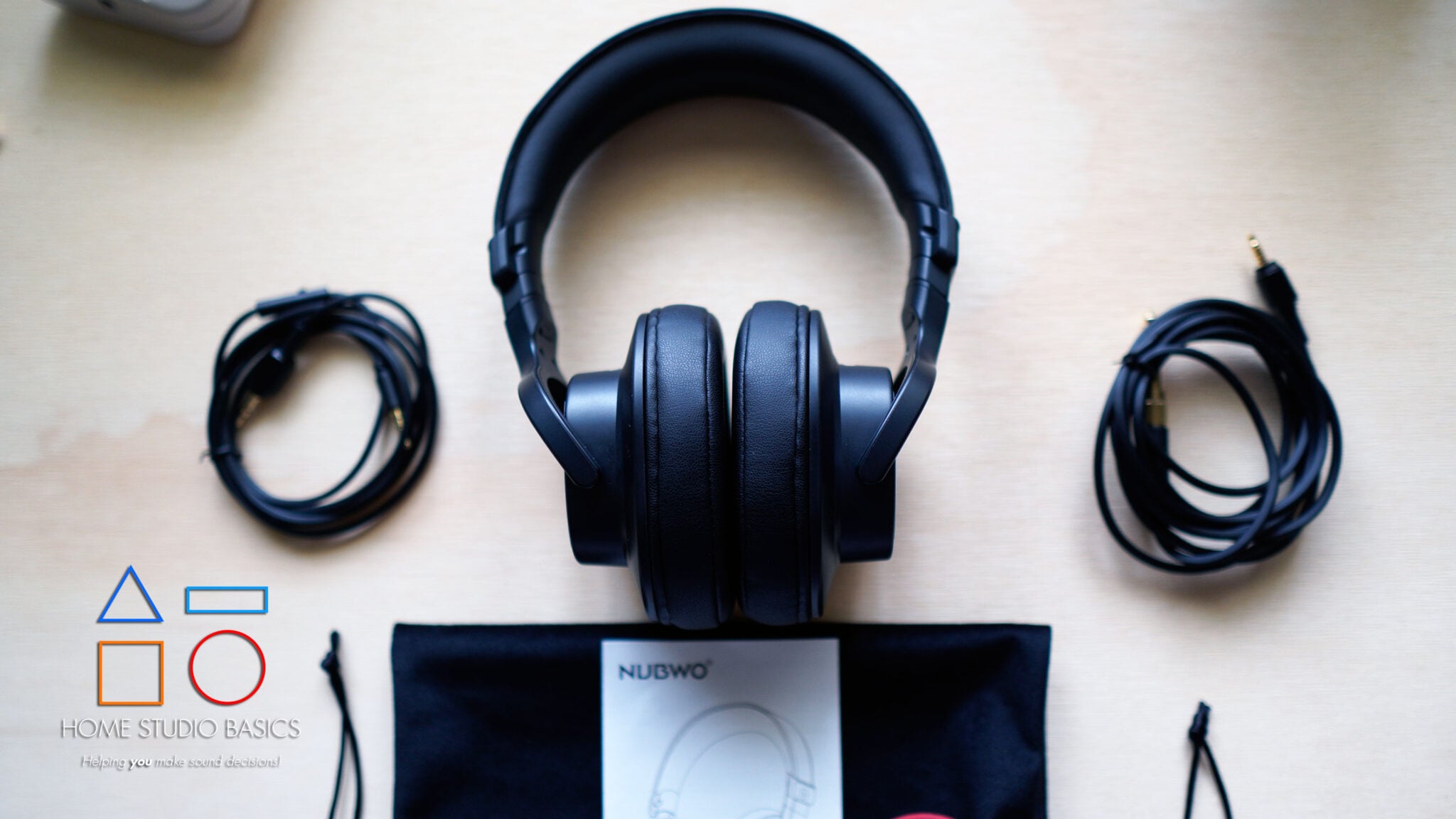
If you wear headphones every day for four to eight hours, comfort is just as important as sound. Look for styles that have fabrics that let air pass through and soft padding.
Some models, like the SRH440, may feel a bit thick or stiff over time, while others, like the K553, may have fit issues that make them less comfortable and less good for sound quality. These are small things, but they are important during long meetings.
Also consider:
- Weight (heavier headphones can cause fatigue)
- Clamping force (too tight or too loose can be distracting)
- Replaceable ear pads (important for long-term use)
Good build quality ensures your headphones last through daily studio work.
How to Test Headphones Before You Buy
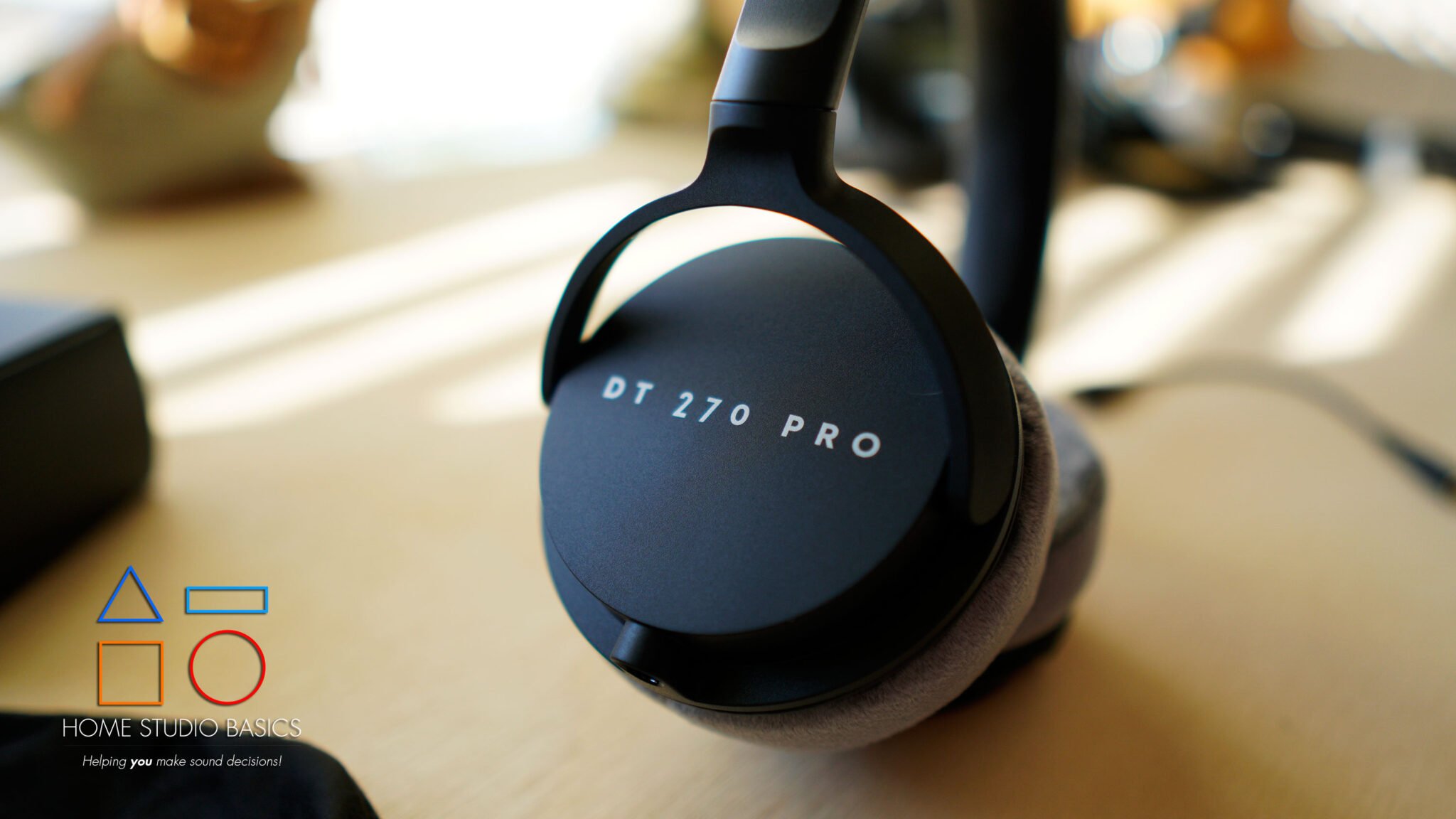
When testing headphones, always use music you know very well. Familiar tracks make it easier to notice differences.
Pay attention to:
- Bass: Is it tight or overwhelming?
- Mid-range: Are vocals clear and natural?
- Treble: Is it smooth or harsh?
For example, a headphone like the MDR-7506 might highlight harshness in the high end, which is useful for fixing issues. Meanwhile, a more neutral option like the K553 helps ensure your mix sounds balanced overall.
Try both simple and complex tracks:
- Acoustic or jazz for space and clarity
- Electronic or hip-hop for bass and energy
Take your time comparing models. This is a long-term investment.
Common Mistakes When Choosing Studio Headphones
Beginners generally choose headphones based on popularity or buzz. Just because many people use a product doesn’t necessarily mean it’s good for your work.
Some folks also have trouble using the same pair everywhere. Very precise headphones like the AKG K553 or Shure SRH440 only offer one sonic perspective. Mixing on one set of headphones might cause bass and stereo blind spots.
Some musicians overvalue bass response. Choosing headphones with a lot of low end often means your final track’s bass isn’t blended correctly. Some headphones, like the Sony MDR-7506, assist you in choosing by controlling the low end and emphasizing subtleties.
Lastly, neglecting comfort is a long-term error. A pair of headphones may sound great at first, but if they disturb you after an hour, it will be hard to work and concentrate.
Are Studio Headphones Enough Without Monitors?

Home producers often ask this when working in untreated areas. You can mix with headphones, but don’t rely on them 100% of the time. Headphones block room noise, a major benefit. Models like the K553 and CB-1 don’t need sound treatment for clear, controlled listening.
But headphones also create a faux stereo image since each ear receives one channel. You may not know how your mix will sound on speakers.
Many artists work on their mixes with headphones first, then listen to them on speakers or other devices to make sure they’re okay. I typically mix on Yamaha HS7s, and then go back and forth with headphones until I find the sweet spot.
Bottom Line
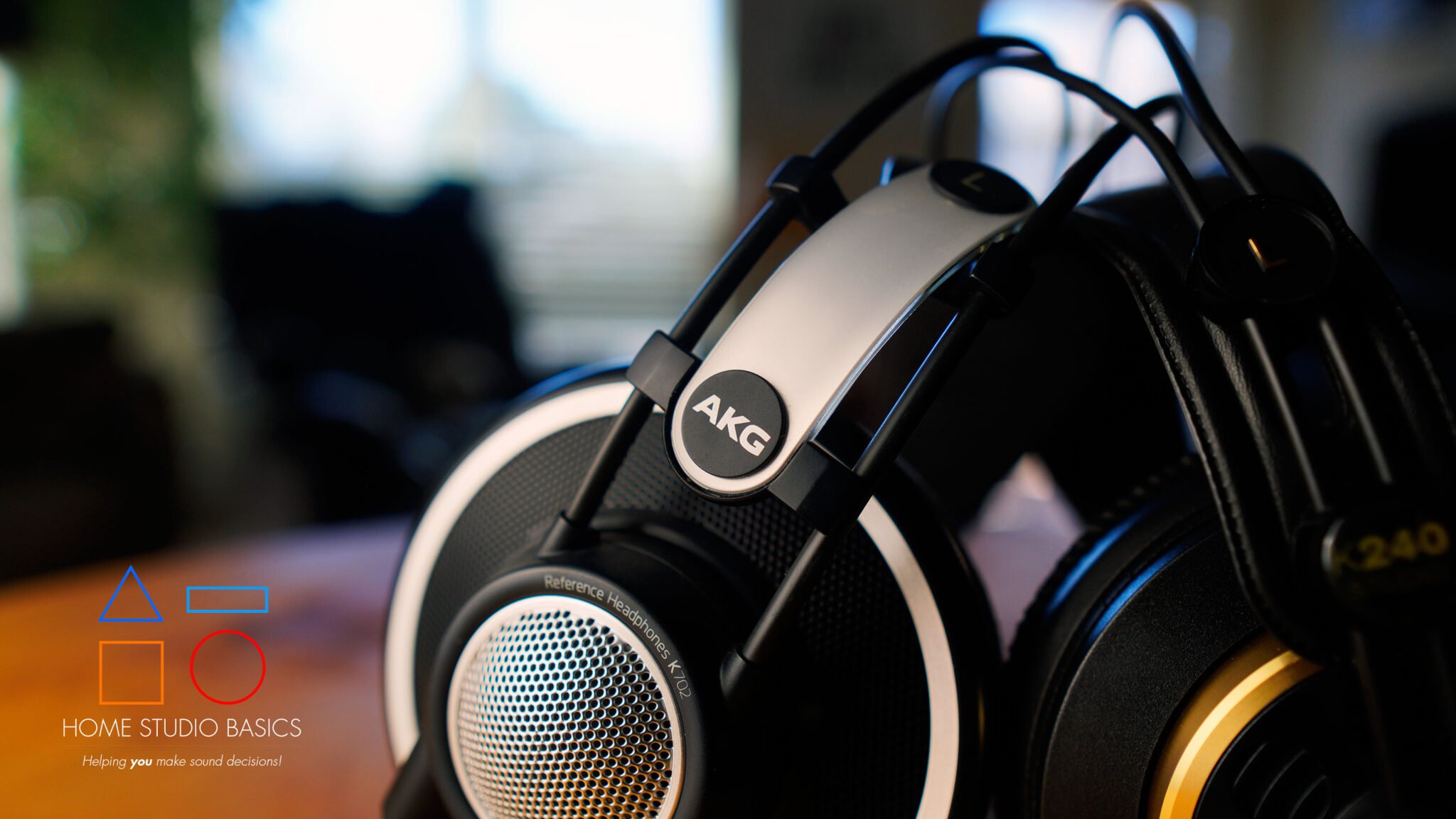
For newbies, it’s not about getting things just right; it’s about building a strong working base.
A good pair of studio headphones should help you hear more details than regular headphones and give you a better idea of how your mixes sound.
You’ll start to notice the limits of your gear and form choices based on how you work as your skills improve. This change is normal and a sign that you are becoming more sure of yourself.
At a higher level, the goal is no longer just to hear sounds, but to really understand them.
As time goes by, you learn how the different headphones portray space, dynamics, and frequencies, and how those differences affect your decisions.
There is a point where many artists need more than one listening point of view to get the same results on all systems. It turns out that there isn’t a single pair of headphones that works for everyone. It’s most important to learn how to use your tools, trust your skills, and create a workflow that works well in the real world.
Interested in a full rundown of the headphones you should be considering first, and why?



I gave away my AKG K702 after purchasing the Sennheiser HD490 Pro near Christmas last year. It’s interesting they have both mixing and producing pads. This set of headphones with the producing pads are probably the most comfortable and pleasant over ear headphones I ever tried. Feeling is very nice, and I like the build a lot. I see them as an upgrade over the HD600 series as a platform. My main problem with that headphones… I think with producing pads the bass produced is a little bit more than what I usually like, and they lose those mids that the company is famous for. With the mixing pads these problems are gone, but there are others. Mainly, parts of my ears touch the inside of the pads. I don’t have jumbo ears, but it still happens, and I don’t like it. But what I like about these headphones… I can wear them for hours. And I could only say this about K702. Mixing pads usually are a no go for me, but I listen to them from time to time with the producing pads. Has its ups and downs. Think of HD600 with more bass and more stage (who wouldn’t want that, right?), but with mids less refined and bass leaking a little over the mids. Not a lot, but I think it’s noticeable. Also, it’s the first Sennheiser headphone to come with washable pads, so that’s something. It used to be my go to listening headphones… until I got the Koss KPH30 Wireless. And that’s what I use for my music listening these days. But those are not producing headphones. If I’d ever go into production, I think the HD490Pro could fit that role well.
Mihai,
Interesting perspectives here! May have to try the 490, though I like the bass to be a bit flatter when mixing. Absolutely would like more stage on a HD600 ha. Still love the K702! Washable pads is interesting. The aftermarket pair I got for the 702 (pretty much identical) had a really annoying dirty spot, but I fixed it with some solution. Griot’s garage car spray worked really well xD Still haven’t tried the 30i wireless but hopefully soon!
The AKG K553 is actually a really solid reference headphone for anyone doing mixing, podcast editing, or critical listening at home. One thing people often appreciate about the K553 is how balanced and spacious it sounds compared to many closed-back headphones. The bass stays controlled instead of overpowering the mix, vocals come through naturally, and the wider soundstage makes it easier to notice positioning and small details in recordings. It’s also comfortable enough for longer sessions, which matters more than many beginners realize.
I completely agree with using familiar tracks during testing. That’s usually the fastest way to notice whether headphones are coloring the sound too much.
Another useful tip is to test headphones alongside your recording setup. Sometimes audio problems people blame on headphones actually come from microphone gain, background noise, or clipping issues. I had that happen during a streaming setup and this guide helped troubleshoot a few common recording problems:
https://www.gomictest.com/blog/choosing-right-microphone
Trying different genres and taking breaks between comparisons also helps your ears stay objective during testing.
Mike,
Thank you for the comment!